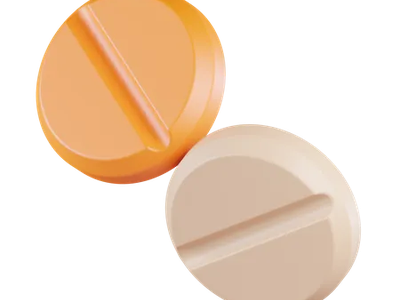
Veritram 50 50 mg
Tramadol Hydrochloride
Category: Tablet
Manufacturer: Veritas Pharmaceuticals Ltd.

Herbal
License: HBL-034
Address
Muradpur, Mouchak, Kaliakoir, Gazipur

Medicine Selling service is not available yet.
Related Medicines



Uses of Veritram 50:
- Moderate to severe pain
Moderate to severe pain, Postoperative pain
Suicidal patients, acute alcoholism; head injuries; raised intracranial pressure; severe renal impairment; lactation.
Opioid analgesics
Tramadol is a centrally acting synthetic analgesic compound. It inhibits the re uptake of neurotransmitters- serotonin and noradrenaline. Thus it modifies the transmission of pain impulses by activating both descending serotonergic pathways and noradrenergic pathways involved in analgesia. The analgesic effects of Tramadol are mediated via stimulation of mu-opioid receptors and indirect modulation of central monoaminergic inhibitory pathways.
How to use
Tramadol Hydrochloride:
Your doctor or nurse will give you this medicine. Kindly do not self administer.
Administration:
May be taken with or without food.
Adult Dose:
Oral
Moderate to severe pain
Adult:
Immediate release
Chronic pain: 25 mg PO every morning initially; increased by 25-50 mg/day every 3 days up to 50-100 mg PO q4-6hr PRN; not to exceed 400 mg/day
Acute pain: 50-100 mg PO q4-6hr PRN; not to exceed 400 mg/day
Extended release
100 mg PO once daily initially; increased by 100 mg/day every 5 days; not to exceed 300 mg/day
Parenteral
Moderate to severe pain
Adult: IM/IV: 50-100 mg 4-6 hrly over 2-3 min.
Postoperative pain
Adult: Initially, 100 mg followed by 50 mg every 10-20 min if necessary, to a total of 250 mg in the 1st hr including initial dose. Thereafter, 50-100 mg 4-6 hrly up to a total daily dose of 600 mg.
Elderly: >75 yr Increase dosing interval.
Hepatic impairment: Severe: Immediate release, 50 mg PO q12hr; extended release not recommended
Child Dose:
Moderate-to-Severe Pain
Immediate release
<17 years: Safety and efficacy not established
>17 years (acute): 50-100 mg PO q4-6hr PRN; not to exceed 400 mg/day
>17 years (chronic): 25 mg PO every morning initially; increased by 25-50 mg/day every 3 days as separate doses up to 50-100 mg PO q4-6hr PRN; not to exceed 400 mg/day
Extended release
<18 years: Safety and efficacy not established
Renal Dose:
Renal impairment:
CrCl (ml/min) Dosage Recommendation
10-30 Increase dosing interval to 12 hrly.
<10 Contraindicated.
Increased risk of convulsions or serotonin syndrome w/ SSRI, serotonin-norepinephrine reuptake inhibitors (SNRI), TCA and other seizure threshold lowering drugs (e.g. bupropion, mirtazapine, tetrahydrocannabinol). Decreased serum concentrations w/ carbamazepine. May potentiate the anti-depressant effect of norepinephrine, 5-HT agonists or lithium. Increased INR and ecchymoses w/ coumarin derivatives (e.g. warfarin).
Potentially Fatal: Increased risk of seizure and serotonin syndrome w/ MAOIs.
Suicidal patients, acute alcoholism; head injuries; raised intracranial pressure; severe renal impairment; lactation.
Common
- Dizziness
- Sleepiness
- Vomiting
- Nausea
- Constipation
>10%
Constipation (24-46%),Nausea (24-40%),Dizziness (10-33%),Vertigo (26-33%),Headache (18-32%),Somnolence (7-25%),Vomiting (9-17%),Agitation (7-14%),Anxiety (7-14%),Emotional lability (7-14%),Euphoria (7-14%),Hallucinations (7-14%),Nervousness (7-14%),Spasticity (7-14%),Dyspepsia (5-13%),Asthenia (6-12%),Pruritus (8-11%)
1-10%
Diarrhea (5-10%),Dry mouth (5-10%),Sweating (6-9%),Hypertonia (1-5%),Malaise (1-5%),Menopausal symptoms (1-5%),Rash (1-5%),Urinary frequency (1-5%),Urinary retention (1-5%),Vasodilation (1-5%),Visual disturbance (1-5%)
<1%
Abnormal gait,Amnesia,Cognitive dysfunction,Depression,Difficulty in concentration,Dysphoria,Dysuria,Fatigue,Hallucinations,Menstrual disorder,Motor system weakness,Orthostatic hypotension,Paresthesia,Seizures,Suicidal tendencies,Syncope,Tachycardia,Tremor
Frequency Not Defined
Abnormal electrocardiogram (ECG),Angioedema,Bronchospasm,Flushing,Hypertension,Hypotension,Myocardial ischemia,Palpitation,Urticaria,Withdrawal syndrome
Potentially Fatal: Respiratory depression.
Safe use of Tramadol in pregnancy has not been established. Tramadol has been shown to cross the placenta. There are no adequate and well-controlled studies in pregnant women. Therefore, Tramadol should be used during pregnancy only if the potential benefit justifies the risk to the foetus. Tramadol Hydrochloride should not be administered during breast feeding as Tramadol and its metabolites have been detected in breast milk.
Precaution:
Patients who suffer from emotional disturbance or depression, history of epilepsy or risk of seizure, head injury, increased intracranial pressure. Renal and hepatic impairment. Elderly. Pregnancy and lactation. Patient Counselling May impair ability to drive or operate machinery. Monitoring Parameters Monitor pain relief, resp rate, BP, pulse rate; signs of tolerance, abuse, or suicidal ideation.
Lactation: Drug excreted at high concentration in breast milk; not recommended
Keep below 30°C temperature, away from light & moisture. Keep out of the reach of children.
Opioid analgesics
Tramadol inhibits reuptake of norepinephrine, serotonin and enhances serotonin release. It alters perception and response to pain by binding to mu-opiate receptors in the CNS.
Safe use of Tramadol in pregnancy has not been established. Tramadol has been shown to cross the placenta. There are no adequate and well-controlled studies in pregnant women. Therefore, Tramadol should be used during pregnancy only if the potential benefit justifies the risk to the foetus. Tramadol Hydrochloride should not be administered during breast feeding as Tramadol and its metabolites have been detected in breast milk.

Samm Care