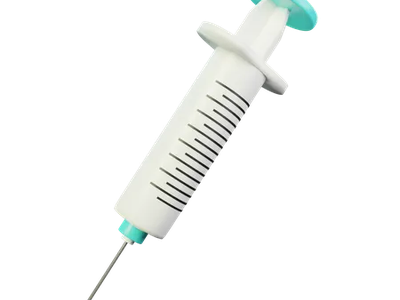
Varivax 0.5 ml
Generic: Varicella Virus Vaccine
Category: SC Injection
Manufacturer: Healthcare Pharmacuticals Ltd.

Price: 8103.17 ৳
0.5 ml vial

Medicine Selling service is not available yet.
Alternative Brands & Related Medicines
Indications
This is a vaccine indicated for active immunization for the prevention of varicella in individuals 12 months of age and older.
Therapeutic Class
Vaccines, Anti-sera & Immunoglobulin
Pharmacology
Live varicella vaccine is used to stimulate active immunity to varicella (chickenpox).
Dosage and Administration
varicella virus vaccine is administered as an approximately 0.5-mL dose by subcutaneous injection into the outer aspect of the upper arm (deltoid region) or the anterolateral thigh. Do not administer this product intravascularly or intramuscularly.Children (12 months to 12 years of age): If a second dose is administered, there should be a minimum interval of 3 months between dosesAdolescents ( ≥ 13 years of age) and Adults: Two doses of vaccine, to be administered with a minimum interval of 4 weeks between doses
Interaction
Reye syndrome has been reported in children and adolescents following the use of salicylates during wild-type varicella infection. Administration of immune globulins and other blood products concurrently with Varicella Virus Vaccine vaccine may interfere with the expected immune response. Varicella Virus Vaccine vaccination may result in a temporary depression of purified protein derivative (PPD) tuberculin skin sensitivity.
Contraindications
Severe Allergic Reaction: Do not administer Varicella Virus Vaccine to individuals with a history of anaphylactic or severe allergic reaction to any component of the vaccine (including neomycin and gelatin) or to a previous dose of a varicella-containing vaccine.Immunosuppression: Do not administer Varicella Virus Vaccine to individuals who are immunodeficient or immunosuppressed due to disease or medical therapy. Disseminated varicella disease and extensive vaccine associated rash have been reported in individuals who are immunosuppressed or immunodeficient who were inadvertently vaccinated with a varicella-containing vaccine.Moderate or Severe Febrile Illness: Do not administer Varicella Virus Vaccine to individuals with an active febrile illness with fever >38.5°C.Active Untreated Tuberculosis: Do not administer Varicella Virus Vaccine to individuals with active, untreated tuberculosis (TB).Pregnancy: Do not administer Varicella Virus Vaccine to individuals who are pregnant or planning on becoming pregnant in the next 3 months. Wild-type varicella is known to cause fetal harm.
Side Effects
Frequently reported (≥10%) adverse reactions in children ages 1 to 12 years include:
fever ≥102.0°F (38.9°C) oral: 14.7%
injection-site complaints: 19.3%
Frequently reported (≥10%) adverse reactions in adolescents and adults ages 13 years and older include:
fever ≥100.0°F (37.8°C) oral: 10.2%
injection-site complaints: 24.4%
Other reported adverse reactions in all age groups include:
varicella-like rash (injection site)
varicella-like rash (generalized)
Pregnancy And Lactation
Pregnancy Category C: Either studies in animals have revealed adverse effects on the foetus (teratogenic or embryocidal or other) and there are no controlled studies in women or studies in women and animals are not available. Drugs should be given only if the potential benefit justifies the potential risk to the foetus.
Precautions And Warnings
Evaluate individuals for immune competence prior to administration of Varicella Virus Vaccine if there is a family history of congenital or hereditary immunodeficiency. Avoid close contact with high-risk individuals susceptible to varicella because of possible transmission of varicella vaccine virus. Immune Globulins (IG) and other blood products should not be given concomitantly with Varicella Virus Vaccine. Avoid use of salicylates for 6 weeks following administration of Varicella Virus Vaccine to children and adolescents.
Storage Conditions
Store between 2-8° C. Do not freeze. Protect from light. Keep out of the reach of children.
Drug Classes
Vaccines, Anti-sera & Immunoglobulin
Mode of Action
Varicella Virus Vaccine induces both cell-mediated and humoral immune responses to varicella-zoster virus. The relative contributions of humoral immunity and cell-mediated immunity to protection from varicella are unknown.
Pregnancy Category
Varicella Virus Vaccine is contraindicated for use in pregnant women because the vaccine contains live, attenuated varicella virus, and it is known that wild-type varicella virus, if acquired during pregnancy, can cause congenital varicella syndrome. No increased risk for miscarriage, major birth defect or congenital varicella syndrome was observed in a pregnancy exposure registry that monitored outcomes after inadvertent use. There are no relevant animal data.It is not known whether varicella vaccine virus is excreted in human milk. The developmental and health benefits of breastfeeding should be considered along with the mother’s clinical need for Varicella Virus Vaccine, and any potential adverse effects on the breastfed child from Varicella Virus Vaccine or from the underlying maternal condition. For preventive vaccines, the underlying maternal condition is susceptibility to disease prevented by the vaccine.


Samm Care