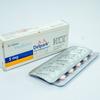
Uses of Trihexy 2:
- Parkinson's disease
- Drug induced abnormal movements
Extrapyramidal symptoms, Parkinsonism (postencephalitic, arteriosclerotic & idiopathic)
Patients with closed-angle glaucoma, chronic pulmonary disease, sick sinus syndrome, thyrotoxicosis, cardiac failure with tachycardia.
Antiparkinson drugs
Trihexyphenidyl is a selective M1 muscarinic acetylcholine receptor antagonist. It is able to discriminate between the M1 (cortical or neuronal) and the peripheral muscarinic subtypes (cardiac and glandular). Trihexyphenidyl partially blocks cholinergic activity in the CNS, which is responsible for the symptoms of Parkinson's disease. It is also thought to increase the availability of dopamine, a brain chemical that is critical in the initiation and smooth control of voluntary muscle movement.
How to use
Trihexyphenidyl Hydrochloride:
Take this medicine in the dose and duration as advised by your doctor. Swallow it as a whole. Do not chew, crush or break it.
Trihexyphenidyl Hydrochloride is to be taken empty stomach.
Administration:
Should be taken with food. Best taken w/ meals. Take before meals if dry mouth occurs, after meals if drooling/nausea occurs. Take at the same time each day.
Adult Dose:
Oral
Drug-induced extrapyramidal symptoms
Adult: 5-15 mg/day PO divided q6-8hr
Parkinson Disease
Adult: Initially, 1 mg daily, gradually increased at intervals of 3-5 days by increments of 2 mg until 6-10 mg daily in 3-4 divided doses.
Maintenance: 5-15 mg/day PO divided q6-8hr
Parkinsonism
Adult: 5-15 mg/day PO divided q6-8hr
Elderly: May require lower doses.
Child Dose:
Safety and efficacy not established
Increased antimuscarinic side effects w/ phenothiazines, clozapine, antihistamines, disopyramide, nefopam and amantadine. Synergistic effect when concomitantly used w/ TCAs. Concurrent admin w/ MAOIs may cause dry mouth, blurred vision, urinary hesitancy or retention and constipation. May antagonise effect of metoclopramide and domperidone on GI function. Reduced absorption of levodopa. May antagonise effect of parasympathomimetics.
Patients with closed-angle glaucoma, chronic pulmonary disease, sick sinus syndrome, thyrotoxicosis, cardiac failure with tachycardia.
Common
- Dryness in mouth
- Nausea
- Vomiting
- Constipation
- Blurred vision
- Dizziness
- Upset stomach
- Headache
- Difficulty in urination
- Nervousness
>10%
Anticholinergic side effects (30-50%), Rash
<1%
Suppurative parotitis,Hallucination,Paralytic ileus
Pregnancy Category C. It is not known whether the drug is excreted in human milk and therefore trihexyphenidyl should only be used if the expected benefit to the mother outweighs the potential risk to the infant.
Precaution:
Patient w/ arteriosclerosis, history of drug idiosyncrasy. CV disease, glaucoma, GI obstruction, prostatic hyperplasia and/or urinary stricture. Not intended for treatment of tardive dyskinesia. Avoid abrupt withdrawal. Hepatic and renal impairment. Elderly. Pregnancy and lactation. Patient Counselling May impair mental or physical abilities e.g. operating machinery or driving. Monitoring Parameters Perform gonioscopic examination prior to initiation of therapy. Monitor intraocular pressure at regular intervals during prolonged treatment.
In humans, doses up to 300 mg (5 mg/kg) have been ingested without fatalities or sequelae. However, rare cases of death associated with Trihexyphenidyl over dosages taken in conjunction with other CNS-depressant agents have been reported or in patients with a compromised respiratory condition. Trihexyphenidyl blood concentrations associated with the fatalities ranged from 0.03 to 0.80 mg/I.Signs and Symptoms: Over dosage with Trihexyphenidyl produces typical central symptoms of atropine intoxication (the central anticholinergic syndrome). Correct diagnosis depends upon recognition of the peripheral signs of parasympathetic blockade, including dilated and sluggish pupils; warm, dry skin; facial flushing; decreased secretions of the mouth, pharynx, nose, and bronchi; foul-smelling breath; elevated temperature; tachycardia, cardiac arrhythmias; decreased bowel sounds; and urinary retention. Neuropsychiatric signs such as delirium, disorientation, anxiety, hallucinations, illusions, confusion, incoherence, agitation, hyperactivity, ataxia, lip smacking and tasting movements, loss of memory, paranoia, combativeness, and seizures may be present. The condition can progress to stupor, coma, paralysis, cardiac and respiratory arrest, and death.Treatment: Treatment of acute overdose involves symptomatic and supportive therapy. Gastric lavage or other methods to limit absorption should be instituted. A small dose of diazepam or a short-acting barbiturate may be administered if CNS excitation is observed. Phenothiazines are contra-indicated because the toxicity may be intensified due to their antimuscarinic action, causing coma. Respiratory support, artificial respiration or vasopressor agents may be necessary. Hyperpyrexia must be reversed, fluid volume replaced and acid-balance maintained. Urinary catheterization may be necessary. It is not known if Trihexyphenidyl is dialyzable.
Store at temperature not exceeding 30ºC in a dry place. Protect from light.
Antiparkinson drugs
Trihexyphenidyl HCl is a tertiary amine antimuscarinic which exerts a direct inhibitory effect on the parasympathetic nervous system. It also exhibits a direct spasmolytic action on smooth muscle, weak mydriatic, antisialagogue and cardiovagal blocking effects.
There are no controlled data in animal or human pregnancy. Trihexyphenidyl HCI is only recommended for use during pregnancy when need has been clearly established and benefit outweighs risk. It is not known whether this drug is excreted in human milk. Because many drugs are excreted in human milk, caution should be exercised when Trihexyphenidyl HCI is administered to a nursing woman. As with other anticholinergics, Trihexyphenidyl HCI may cause suppression of lactation. Therefore, Trihexyphenidyl HCI should only be used if the expected benefit to the mother outweighs the potential risk to the infant.