
Strolin 200 mg 200 mg
Sulindac
Category: Tablet
Manufacturer: Pharmacil Ltd.

Allopathic
MFG. Licence No. Biological
134
MFG. Licence No. Non-Biological
395
Address
B-34, BSCIC Industrial Area, Tangi, Gazipur.

Medicine Selling service is not available yet.
Related Medicines

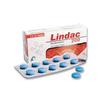
Rheumatoid arthritis, Osteoarthritis, Acute gouty arthritis, Ankylosing spondylitis, Acute painful shoulder
Hypersensitivity. Pregnancy (3rd trimester), treatment of peri-operative pain in CABG surgery .
Drugs for Osteoarthritis, Drugs used for Rheumatoid Arthritis, Drugs used in Gout, Non-steroidal Anti-inflammatory Drugs (NSAIDs)
Sulindac is a non-steroidal antirheumatic agent possessing anti-inflammatory, analgesic and anti-pyretic properties. Prostaglandin synthetase inhibition is probably the basis of the mechanism of action of non-steroidal anti-inflammatory agents. Following absorption, Sulindac undergoes two major transformations. It is oxidised to the sulphone and then reversibly reduced to the sulphide. The sulphide metabolite is the biologically active form which is an inhibitor of prostaglandin synthesis.
Administration:
Should be taken with food.
Adult Dose:
Oral
Ankylosing spondylitis; Osteoarthritis; Rheumatoid arthritis
Adult: For symptomatic treatment: 150 mg bid; may adjust subsequent doses based on response. Max: 400 mg/day.
Acute painful shoulder
Adult: For symptomatic treatment: 200 mg bid; may reduce dose after satisfactory response achieved. Max: 400 mg/day. Treatment duration: 7-14 days is usually adequate.
Acute gouty arthritis
Adult: For symptomatic treatment: 200 mg bid; may reduce dose after satisfactory response achieved. Max: 400 mg/day. Treatment duration: 7 days is usually adequate.
Hepatic impairment: Acute and chronic hepatic disease: May need dosage reduction.
Child Dose:
Safety & efficacy not established
Renal Dose:
Renal impairment: May need dosage reduction. Not recommended in severe renal impairment.
Concomittent use with dimethyl sulfoxide may result in peripheral neuropathy. Increased nephrotoxicity with ciclosporin; increased risk of methotrexate toxicity; increased risk of bleeding with other NSAIDs, warfarin and thrombolytic agents. Antagonises effect of antihypertensives. Unpredictable interactions with lithium.
Hypersensitivity. Pregnancy (3rd trimester), treatment of peri-operative pain in CABG surgery .
1-10%
GI pain (10%),Constipation (3-9%),Diarrhea (3-9%),Dizziness (3-9%),Dyspepsia (3-9%),Headache (3-9%),Nausea (3-9%),Rash (3-9%),Abdominal cramps (1-3%),Anorexia (1-3%),Edema (1-3%),Nervousness (1-3%),Pruritus (1-3%),Tinnitus (1-3%),Vomiting (1-3%)
<1%
Hypersensitivity reactions,Thrombocytopenia,Ecchymosis,Purpura,Leukopenia,Agranulocytosis,Neutropenia,Bone marrow depression,CHF (<1%),Hematuria (<1%),Renal impairment (including renal failure),Interstitial nephritis,Nephrotic syndrome
Potentially Fatal: Anaphylaxis reactions; cross-sensitivity reactions in patients with known aspirin triad reactions; Steven-Johnson Syndrome and toxic epidermal necrolysis.
Use in pregnancy: Sulindac should be used during the first two trimesters of pregnancy only if the potential benefit justifies the potential risk to the foetus. Use of Sulindac during the third trimester of pregnancy is not recommended. Use in lactation: It is not known whether Sulindac is excreted in human milk. So a decision should be made whether to discontinue nursing or discontinue the medicine taking into account the importance of the medicine to the mother.
Precaution:
Use at lowest effective dose for shortest duration possible. NSAIDs may increase risk of severe cardiovascular (CV) thrombotic events, myocardial infarction, and stroke. Risk may be increased with duration of use or pre-existing CV disease or risk factors. Treatment has been associated with new onset hypertension or worsening of pre-existing hypertension. May cause fluid retention and oedema; caution in heart failure. NSAIDs can cause serious GI adverse events including GI inflammation, ulceration, bleeding, and perforation. Caution in patients with history of GI disease; concomitant use of aspirin, anticoagulants and/or oral corticosteroids; smoking, use of alcohol, elderly or debilitated patients. Anaemia may occur, monitor CBC in patients who are on long term NSAIDs.
May inhibit platelet aggregation and prolong bleeding in some patients. Rare cases of sever hepatotoxicity including jaundice, fatal fulminant hepatitis, liver necrosis and hepatic failure have been reported. May cause renal impairment; patients with pre-existing renal impairment, heart failure, liver dysfunction, concomitant use of diuretics and ACE inhibitors, volume-depleted and elderly are at greater risk. Use is not recommended in advance renal impairment.
Caution in patients with pre-existing asthma; avoid in patients with history of aspirin-sensitive asthma. May cause serious skin reactions including exfoliative dermatitis, Steven-Johnson syndrome and toxic epidermal necrolysis. Aseptic meningitis in patients with SLE; pancreatitis have been reported. Pharmacokinetics has not been studied in paediatric patients. Should not be used during 3rd trimester of pregnancy. Lactation.
Lactation: not known if distributed in milk
Reported symptoms have generally reflected the gastro-intestinal, renal and central nervous system toxicities of Sulindac. Treatment is symptomatic and supportive.
Keep below 25°C temperature, away from light & moisture. Keep out of the reach of children.
Drugs for Osteoarthritis, Drugs used for Rheumatoid Arthritis, Drugs used in Gout, Non-steroidal Anti-inflammatory Drugs (NSAIDs)
Sulindac is a prodrug which undergoes reversible reduction to its active sulfide metabolites. It inhibits prostaglandin synthesis by decreasing cyclooxygenase activity.
Pregnancy Category: C; D in 3rd trimester.

Samm Care