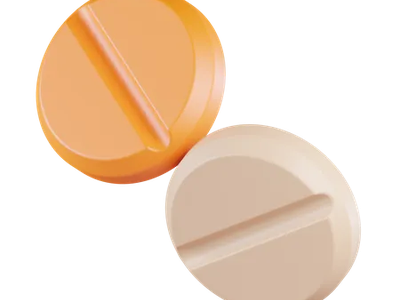
Somopin 3 3 mg
Doxepin
Category: Tablet
Manufacturer: Incepta Pharmaceuticals Ltd.

Allopathic
MFG. Licence No. Biological
193
MFG. Licence No. Non-Biological
108
Address
Zirabo, Savar, Dhaka Dewan Idris Road, Bara Rangamatia
Price: 5.4 ৳
Tablet

Medicine Selling service is not available yet.
Related Medicines


Uses of Somopin 3:
- Insomnia
- Depression
- Anxiety
Anxiety disorders, Depression, Insomnia
Hypersensitivity; mania, glaucoma, neonates (topical); lactation.
Tricyclic & related anti-depressant drugs
The mechanism of action of doxepin is not definitely known. It a is not a central nervous system stimulant nor a monoamine oxidase inhibitor. The current uhypothesis is that the clinical effects are due, at least in part, to influences on the adrenergic activity at the synapses so that deactivation of norepinephrine by reuptake into the nerve terminals is prevented. Animal studies suggest that doxepin does not appreciably antagonize the antihypertensive action of guanethidine. In animal studies anticholinergic, anti serotonin and anti histamine effects on smooth muscle have been demonstrated. At higher than usual clinical doses norepinephrine response was potentiated in animals. This effect was not dem onstrated in humans. At clinical dosages up to 150 mg per day, doxepin can be given to man concomitantly with guanethidine and related com pounds without blocking the antihypertensive effect. At dosages above 150 mg per day blocking of the antihypertensive effect of these compounds has been re ported. Doxepin is virtually devoid of euphoria as a side effect. Char ac teristic of this type of compound, doxepin has not been dem ons tra ted to produce the physical tolerance or psychologycal dependence associated with addictive compounds.
How to use
Doxepin:
Take this medicine in the dose and duration as advised by your doctor. Do not chew, crush or break it.
Doxepin may be taken with or without food, but it is better to take it at a fixed time.
Administration:
May be taken with or without food.
Adult Dose:
Oral
Depression/Anxiety
Adult: Initiate at low dose (25 mg/day); gradually titrate upward every 5-7 days
Dosage range: 25-300 mg/day PO, up to 150 mg/day as single dose
If dose exceeds 150 mg/day, divide q12hr
Hepatic impairment: Use lower dose and adjust gradually for depression;
Insomnia (Silenor)
Sleep maintenance
3-6 mg PO within 30 minutes before bedtime; not to exceed 6 mg/day
Hepatic impairment/debilitated patients: 3 mg PO within 30 minutes before bedtime
Elderly
Insomnia
Sleep maintenance
Starting dose: 3 mg PO within 30 minutes before bedtime
May increase to 6 mg PO HS if clinically indicated
Depression/Anxiety
Lower initial dose (ie, 10 mg/day) and adjust gradually; 10-25 mg PO qHS
May increase by 10-25 mg increments q3Day for inpatients and weekly for outpatients if tolerated
Child Dose:
<12 years old: Not recommended
Methylphenidate may increase plasma doxepin levels.
Potentially Fatal: Potentiates hypertensive action of sympathomimetics. Increased anticholinergic effects with MAOIs. Additive CNS effects with anticholinergics, CNS depressants and alcohol.
Hypersensitivity; mania, glaucoma, neonates (topical); lactation.
Common
- Constipation
- Difficulty in urination
- Dryness in mouth
- Increased heart rate
- Orthostatic hypotension (sudden lowering of blood pressure on standing)
- Weight gain
Sedation, fatigue, weakness, lethargy,Dry mouth,Constipation,Blurred vision,Headache,Agitation,Insomnia,Anxiety,Nausea, vomiting,Sweating,Confusion, extrapyramidal symptoms (EPS), dizziness, paresthesia,Orthostatic hypotension, ECG changes, tachycardia,Increased LFTs,Tinnitus,Sexual dysfunction,Rash,Seizure,Agranulocytosis,Thrombocytopenia,Eosinophilia,Leukopenia,SIADH
Reproduction studies have been performed in rats, rabbits, monkeys and dogs and there was no evidence of harm to the animal fetus. The relevance to humans is not known. Since there is no experience in pregnant women who have received this drug, safety in pregnancy has not been established. There has been a report of apnea and drowsiness occurring in a nursing infant whose mother was taking doxepin.
Precaution:
Epilepsy, CV disease, pregnancy, history of urinary retention, glaucoma; gradual withdrawal. May impair ability to drive or operate machinery.
Lactation: Enters breast milk; not recommended (AAP states "may be of concern")
Store at 15-30°C.
Doxepin inhibits serotonin and norepinephrine re-uptake by the presynaptic neuronal membrane increasing its synaptic conc in the CNS.
Pregnancy category: Not available
Lactation: Enters breast milk; not recommended (AAP states "may be of concern")

Samm Care