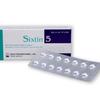
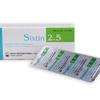
Sixtin 2.5 2.5 mg
Saxagliptin
Category: Tablet
Manufacturer: Drug International Ltd.

Allopathic
MFG. Licence No. Biological
398
MFG. Licence No. Non-Biological
127
Address
Tongi I/A, Gazipur
Price: 16.0 ৳
2 x 10 in Blister Pack

Medicine Selling service is not available yet.
Related Medicines

Uses of Sixtin 2.5:
- Type 2 diabetes mellitus
Type 2 diabetes
Documented hypersensitivity (eg, anaphylaxis, angioedema, exfoliative skin conditions)
Dipeptidyl Peptidase-4 (DPP-4) inhibitor
Saxagliptin inhibits dipeptidyl peptidase IV (DPP-IV) enzyme resulting in prolonged active incretin levels. It elevates the circulating levels of glucose-dependent insulinotropic polypeptide (GIP) and glucagon-like peptide-1 (GLP-1) which stimulates insulin secretion in pancreatic β-cells in a glucose dependent manner. It improves glycaemic control by reducing fasting and postprandial plasma glucose concentration in patients w/ type 2 DM.
How to use
Saxagliptin:
Take this medicine in the dose and duration as advised by your doctor. Swallow it as a whole. Do not chew, crush or break it.
Saxagliptin may be taken with or without food, but it is better to take it at a fixed time.
Administration:
May be taken with or without food.
Adult Dose:
Oral
Type 2 diabetes mellitus
Adult: 2.5 or 5 mg once daily.
Combination therapy: May need to reduce dosage of sulfonylurea or other insulin secretagogues when administered in combination
Coadministration with strong CYP450 3A4/5 inhibitors: Not to exceed 2.5 mg PO qDay
Elderly: No dosage adjustment.
Hepatic Impairment No dosage adjustment.
Child Dose:
<18 years: Safety and efficacy not established
Renal Dose:
Renal impairment
CrCl >50 mL/min: No dose adjustment required
CrCl <50 mL/min: Not to exceed 2.5 mg PO qDay
ESRD requiring hemodialysis: Not to exceed 2.5 mg PO qDay administered postdialysis
ESRD requiring peritoneal dialysis: Not studied
Strong CYP3A4/5 inhibitors (eg ketoconazole, atazanavir, clarithromycin, indinavir, itraconazole, nefazodone, nelfinavir, ritonavir, saquinavir & telithromycin).
Documented hypersensitivity (eg, anaphylaxis, angioedema, exfoliative skin conditions)
Common
- Headache
- Nasopharyngitis (inflammation of the throat and nasal passages)
- Urinary tract infection
- Hypoglycaemia (low blood sugar level) in combination with insulin or sulphonylurea
- Upper respiratory tract infection
1-10% (selected)
Urinary tract infection (7%),Headache (7%),Hypersensitivity-related events (<4%; eg, urticaria, facial edema),Peripheral edema (<4%; increased incidence when coadministered with thiazolidinediones),Upper respiratory tract infection (3%),Gastroenteritis (2%),Hypoglycemia (1.6%)
Frequency Not Defined
Increased creatinine phosphokinase,Increased creatinine,Idiopathic thrombocytopenic purpura rash
Category B: Either animal-reproduction studies have not demonstrated a foetal risk but there are no controlled studies in pregnant women or animal-reproduction studies have shown an adverse effect (other than a decrease in fertility) that was not confirmed in controlled studies in women in the 1st trimester (and there is no evidence of a risk in later trimesters).
Precaution:
Renal impairment
Decrease dose with strong CYP450 3A4/5 inhibitors
Coadministration with thiazolidinediones (eg, rosiglitazone, pioglitazone) increases risk for peripheral edema
Pancreatitis reported with saxagliptin; monitor for signs and symptoms and discontinue if pancreatitis suspected
Serious hypersensitivity reactions with saxagliptin reported (typically within the first 3 months of therapy)
History of angioedema
Coadministration with a sulfonylurea or with insulin may increase hypoglycemia; monitor closely and adjust sulfonylurea and/or insulin dose accordingly
Congestive heart failure (CHF) risks. Observe patients for signs and symptoms of heart failure during therapy;
Lactation: Not known whether distributed in breast milk; caution advised
Store between 20-25° C.
Dipeptidyl Peptidase-4 (DPP-4) inhibitor
Dipeptidyl peptidase IV (DPP-4) inhibition that results in increased incretin hormones and enhanced glycemic control.
Category B: Either animal-reproduction studies have not demonstrated a foetal risk but there are no controlled studies in pregnant women or animal-reproduction studies have shown an adverse effect (other than a decrease in fertility) that was not confirmed in controlled studies in women in the 1st trimester (and there is no evidence of a risk in later trimesters).

Samm Care