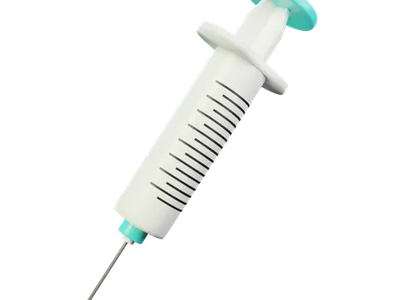
Psudonil 100mg/2ml
Amikacin
Category: Injection
Manufacturer: Drug International Ltd.

Allopathic
MFG. Licence No. Biological
398
MFG. Licence No. Non-Biological
127
Address
Tongi I/A, Gazipur
Price: 14.77 ৳
Injection

Medicine Selling service is not available yet.
Related Medicines
Uses of Psudonil:
- Bacterial infections
Aminoglycosides
Amikacin Sulfate is a semi-synthetic aminoglycoside antibiotic. Amikacin is active in vitro against pseudomonas species, Escherichia coli, Proteus species, Providencia species, Klebsiella-Enterobacter species, Acinetobacter species, and Citrobacter freundii. When strains of the above organisms are found to be resistant to other aminoglycosides, including Gentamicin, TobrAmykin and KanAmykin, many are susceptible to Amikacin. Amikacin sulfate is active in vitro against penicillinase and nonpenicillinase-producing Staphylococcus species including methicillin-resistant strains.
How to use Amikacin:
Your doctor or nurse will give you this medicine. Kindly do not self administer.
Concurrent administration of Amikacin with myorelaxants leads to potentiation of their effects and there is a possibility of cessation of the breathing. The combination with other Aminoglycoside antibiotics should be avoided because of the augmentation of their ototoxic and nephrotoxic effects. Concurrent administration of Amikacin with fast acting diuretics increases the risk of ototoxicity in patients with renal failure. Combination with Cephalosporins or Polymixins increases the risk of nephrotoxicity.
Amikacin Injection is contraindicated in patients with a known history of hypersensitivity to Amikacin, any constituents of the injection.
Common
- Increased blood urea
Amikacin rapidly crosses the placenta into the foetal circulation and amniotic fluid and there is a potential risk of ototoxicity in the foetus. There is no information available regarding the safety of this drug during breastfeeding.
Since Amikacin is present in high concentrations in the renal excretory system, patients should be well hydrated to minimize chemical irritation of the renal tubules. If azotemia increases, treatment should be stopped. Monitoring of renal function during treatment with aminoglycosides is particularly important.
In the event of overdose or toxic reaction, peritoneal dialysis or haemodialysis will aid in the removal of Amikacin from the blood.
Keep below 30°C temperature, away from light & moisture. Keep out of the reach of children.
Aminoglycosides
Amikacin Sulfate is a semi-synthetic aminoglycoside antibiotic. Amikacin is active in vitro against pseudomonas species, Escherichia coli, Proteus species, Providencia species, Klebsiella-Enterobacter species, Acinetobacter species, and Citrobacter freundii. When strains of the above organisms are found to be resistant to other aminoglycosides, including Gentamicin, TobrAmykin and KanAmykin, many are susceptible to Amikacin. Amikacin sulfate is active in vitro against penicillinase and nonpenicillinase-producing Staphylococcus species including methicillin-resistant strains.
Amikacin rapidly crosses the placenta into the foetal circulation and amniotic fluid and there is a potential risk of ototoxicity in the foetus. There is no information available regarding the safety of this drug during breastfeeding.

Samm Care