
Probanin 15 mg
Propantheline Bromide
Category: Tablet
Manufacturer: Opsonin Pharma Limited

Allopathic
MFG. Licence No. Biological
012
MFG. Licence No. Non-Biological
080
Address
Rupatali,
Price: 7.2 ৳
Tablet

Medicine Selling service is not available yet.
Related Medicines

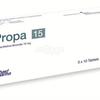
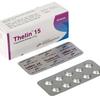
Hyperhidrosis, Peptic ulcer, Urinary incontinence, GI tract spasm, Adult enuresis
Glaucoma, obstructive diseases of GI or urinary tract, severe ulcerative colitis or toxic megacolon, intestinal atony, hiatus hernia associated with reflux oesophagitis, unstable cardiovascular adjustment in acute bleeding, prostatic enlargement, myasthenia gravis, paralytic ileus, pyloric stenosis, angle-closure glaucoma.
Anticholinergics (antimuscarinics)/ Anti-spasmodics
Propantheline bromide inhibits gastrointestinal motility and diminishes gastric acid secretion. The drug also inhibits the action of acetylcholine at the postganglionic nerve endings of the parasympathetic nervous system.Propantheline bromide is extensively metabolized in man primarily by hydrolysis to the inactive materials xanthene-9-carboxylic acid and (2-hydroxyethyl) diisopropylmethylammonium bromide. In a bioavailability study, peak plasma concentrations of propantheline were achieved in about one hour, following a single oral dose.The plasma elimination half-life of propantheline is about 1.6 hours. Approximately 70% of the dose is excreted in the urine, mostly as metabolites. The urinary excretion of propantheline is about 3% after oral tablet administration.
Administration:
Should be taken on an empty stomach. Take ½ hr before meals.
Adult Dose:
Oral
Adjunct in peptic ulcer; Gastrointestinal tract spasm
Adult: 15 mg tid and 30 mg at bedtime. Doses up to 120 mg daily may be needed.
Elderly: 7.5 mg tid. May increase to a max of 30 mg tid.
Urinary incontinence; Adult enuresis; Hyperhidrosis
Adult: 15-30 mg bid/tid.
Child Dose:
Oral
Adjunct in peptic ulcer; Gastrointestinal tract spasm
Child: For relief of GI spasm: 1 mth - 12 yr: 300 mcg/kg (max 15 mg), given 3-4 times daily.
Additive anticholinergic effect with MAOIs, TCAs, phenothiazines, antihistamines and disopyramide. Delayed gastric emptying causes delayed absorption of other drugs. May antagonise the GI effects of domperidone, cisapride and metoclopramide. May reduce absorption of ketoconazole and levodopa. May increase absorption of nitrofurantoin. May increase serum levels of digoxin. May reduce effects of haloperidol and sublingual tablets of nitrates. May antagonise effects of parasympathomimetics.
Glaucoma, obstructive diseases of GI or urinary tract, severe ulcerative colitis or toxic megacolon, intestinal atony, hiatus hernia associated with reflux oesophagitis, unstable cardiovascular adjustment in acute bleeding, prostatic enlargement, myasthenia gravis, paralytic ileus, pyloric stenosis, angle-closure glaucoma.
>10%
Constipation,Dry mouth,Dry skin,Decreased sweating
Frequency Not Defined
Blurred vision,Sedation,Tachycardia,Dysphagia,Urinary retention
Potentially Fatal: Toxic megacolon due to preexisting ulcerative colitis.
Pregnancy Category C. Animal reproduction studies have not been conducted with propantheline. It is also not known whether propantheline can cause fetal harm when administered to a pregnant woman or can affect reproduction capacity. Propantheline should be given to a pregnant woman only if clearly needed. Nursing Mothers: It is not known whether this drug is excreted in human milk. Because many drugs are excreted in human milk, caution should be exercised when propantheline is administered to a nursing woman. Suppression of lactation may occur with anticholinergic drugs.
Precaution:
Hyperthyroidism, congestive heart failure, coronary heart disease, cardiac arrhythmias, acute MI, cardiac insufficiency, hypertension. Pregnancy and lactation; elderly. Patients with fever, diarrhoea, GI reflux disease or ulcerative colitis. Hepatic or renal impairment. Increased risk of fever or heat stroke in patients exposed to high environmental temperature. Caution when used in patients with Down's syndrome.
The symptoms of overdosage with Propantheline Bromide progress from an intensification of the usual side effects (from nausea and vomiting) to CNS disturbances (from restlessness and excitement to psychotic behaviour), circulatory changes, (flushing, fall in blood pressure, circulatory failure), respiratory failure, paralysis.
Do not store above 30°C. Keep away from light and out of the reach of children.
Anticholinergics (antimuscarinics)/ Anti-spasmodics
Propantheline bromide is a quarternary ammonium antimuscarinic with antisecretory and antispasmodic effects.
Propantheline Bromide is in pregnancy category C. Animal reproduction studies have not been conducted with propantheline bromide. Propantheline bromide should be given to a pregnant woman only if clearly needed. It is not known whether this drug is excreted in milk. Because many drugs are excreted in milk, caution should be exercised when propantheline bromide is administered to a nursing woman. Suppression of lactation may occur with anticholinergic drugs.

Samm Care