
Primidone 50 mg 50 mg
Primidone
Category: Tablet
Manufacturer: Incepta Pharmaceuticals Ltd.

Allopathic
MFG. Licence No. Biological
193
MFG. Licence No. Non-Biological
108
Address
Zirabo, Savar, Dhaka Dewan Idris Road, Bara Rangamatia

Medicine Selling service is not available yet.
Related Medicines

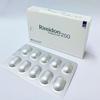
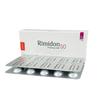
Primidone, used alone or concomitantly with other anticonvulsants, is indicated in the control of grand mal, psychomotor, and focal epileptic seizures. It may control grand mal seizures refractory to other anticonvulsant therapy.
The most frequently occurring early side effects are ataxia and vertigo. These tend to disappear with continued therapy, or with reduction of initial dosage. Occasionally, the following have been reported: nausea, anorexia, vomiting, fatigue, hyperirritability, emotional disturbances, sexual impotency, diplopia, nystagmus, drowsiness, and morbilliform skin eruptions. Granulocytopenia, agranulocytosis, and red-cell hypoplasia and aplasia, have been reported rarely. These and, occasionally, other persistent or severe side effects may necessitate withdrawal of the drug. Megaloblastic anemia may occur as a rare idiosyncrasy to Primidone and to other anticonvulsants. The anemia responds to folic acid without necessity of discontinuing medication.
The total daily dosage should not exceed 2 g. Since Primidone therapy generally extends over prolonged periods, a complete blood count and a sequential multiple analysis-12 (SMA-12) test should be made every 6 months.
Keep below 30°C temperature, away from light & moisture. Keep out of the reach of children.
Adjunct anti-epileptic drugs
Primidone raises electro- or chemoshock seizure thresholds or alters seizure patterns in experimental animals. The mechanism(s) of primidone's antiepileptic action is not known. Primidone per se has anticonvulsant activity as do its two metabolites, phenobarbital and phenylethylmalonamide (PEMA). In addition to its anticonvulsant activity, PEMA potentiates the anticonvulsant activity of phenobarbital in experimental animals.
The effects of Primidone in human pregnancy and nursing infants are unknown. There is evidence in mothers treated with primidone that the drug appears in breast milk in substantial quantities. Since tests for the presence of primidone in biological fluids are too complex to be carried out in the average clinical laboratory, it is suggested that the presence of undue somnolence and drowsiness in nursing newborns of Primidone-treated mothers be taken as an indication that nursing should be discontinued.

Samm Care