
Pandolac 300 mg
Etodolac
Category: Capsule
Manufacturer: General Pharmaceuticals Ltd.

Allopathic
MFG. Licence No. Biological
162
MFG. Licence No. Non-Biological
406
Address
Kaliakair, Gazipur

Medicine Selling service is not available yet.
Related Medicines


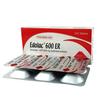
Uses of Pandolac:
- Pain relief
Rheumatoid arthritis, Pain, Osetoarthritis
Peptic ulcer, hypersensitivity to etodolac/NSAIDs. Childn; pregnancy (3rd trimester) and lactation.
Drugs for Osteoarthritis, Drugs used for Rheumatoid Arthritis, Non-steroidal Anti-inflammatory Drugs (NSAIDs)
Etodolac is a non-steroidal anti-inflammatory drug (NSAID). It inhibits the formation of prostaglandins. The inhibition of prostaglandin synthesis observed with Etodolac differs from that of other NSAIDs. Studies in human cell models have confirmed that Etodolac is selective for the inhibition of COX-2. Experiments have shown Etodolac to have marked anti-inflammatory activity, being more potent than several clinically established NSAIDs.
How to use
Etodolac:
Use it as advised by your doctor or check the label for directions before use.
Etodolac is to be taken with food.
Administration:
Should be taken with food. Take w/ or immediately after meals.
Adult Dose:
Oral
Osteoarthritis; Rheumatoid arthritis
Adult: 600-1000 mg/day in divided doses adjusted according to response. Max: 1200 mg/day.
ER tablet: Once daily
Hepatic impairment: Dose adjustment not necessary
Child Dose:
Juvenile Rheumatoid Arthritis
<6 years
Safety and efficacy not established
6-16 years
20-30 kg (extended release): 400 mg PO once daily
31-45 kg (extended release): 600 mg PO once daily
46-60 kg (extended release): 800 mg PO once daily
>60 kg (extended release): 1000 mg PO once daily
Renal Dose:
Mild-to-moderate renal impairment: Dose adjustment not necessary
Severe renal impairment; Not recommended
Increased effect of warfarin, lithium, methotrexate, digoxin, cyclosporin, aspirin. Effect may be reduced with aspirin. Reduced effect of some diuretics and ?-blockers. Alcohol enhances gastric mucosal irritation.
Peptic ulcer, hypersensitivity to etodolac/NSAIDs. Childn; pregnancy (3rd trimester) and lactation.
Common
- Vomiting
- Stomach pain/epigastric pain
- Nausea
- Indigestion
- Loss of appetite
- Diarrhea
- Heartburn
1-10%
Dyspepsia (10%),Dizziness (3-9%),Nervousness (1-3%),Pruritus (1-3%),Blurred vision (1-3%),Depression (1-3%),Chills/fever (1-3%)
>1%
Asthenia, malaise,Blurred vision,Bronchospasm,Dysuria, urinary frequency,Edema,Melena,Rash,Tinnitus
Potentially Fatal: Acute renal failure; blood disorder; nephrotoxicity; angioedema, arrhythmia, bone marrow suppression, CHF, dyspnoea, erythema multiforme, exfoliative dermatitis, hepatitis, hypertension, peripheral neuropathy, Stevens-Johnson syndrome, syncope, tachycardia, toxic amblyopia, toxic epidermal necrolysis, urticaria.
Pregnancy: There are no adequate and well-controlled studies in pregnant women. It should be use in pregnancy only if the potential benefit justifies the potential risk to the fetus.Lactation: It is not known whether Etodolac is excreted in human milk. A decision should be made whether to discontinue nursing or to discontinue the drug taking into account the importance of the drug to the mother.
Precaution:
CHF, dehydration, impaired renal, hepatic function, history of GI disease. Elderly, patients receiving anticoagulant.
Lactation: Unknown whether drug is excreted in breast milk; not recommended
Symptoms following acute NSAID overdose are usually limited to lethargy, drowsiness, nausea, vomiting, and epigastric pain which are generally reversible with supportive care.
Do not store above 30°C. Keep away from light and out of the reach of children.
Drugs for Osteoarthritis, Drugs used for Rheumatoid Arthritis, Non-steroidal Anti-inflammatory Drugs (NSAIDs)
Etodolac is an NSAID derived from pyrano-indoleacetic acid, inhibits cyclooxygenase 2 (COX-2) resulting in decreased prostaglandin precursor formation.
Pregnancy category: C; avoid in late pregnancy (may cause premature closure of ductus arteriosus)
Lactation: Unknown whether drug is excreted in breast milk; not recommended


Samm Care