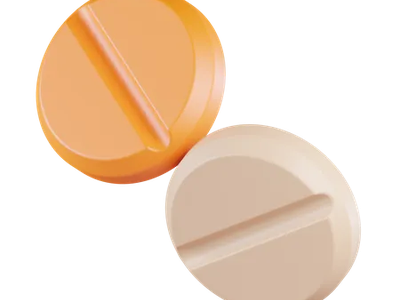
Midrin 500 mg
Generic: Naproxen
Category: Tablet
Manufacturer: Aztec Pharmaceuticals Ltd.

Allopathic
MFG. Licence No. Biological
155
MFG. Licence No. Non-Biological
396
Address
Ujirpur, Dhamurhuda, Chuadanga

Medicine Selling service is not available yet.
Alternative Brands & Related Medicines


Indications
Uses of Midrin:
- Pain relief
Rheumatoid arthritis, Ankylosing spondylitis, Post-operative pain, Dysmenorrhea, Acute gout, Acute migraine attacks, Renal colic, Mild to moderate pain, Tendonitis, Osteoarthritis (degenerative arthritis), Acute musculoskeletal disorders, Bursitis
Hypersensitivity. Aspirin or NSAID allergy. Perioperative pain in the setting of CABG surgery. Pregnancy (3rd trimester).
Dosage and Administration
How to use Naproxen:
Take this medicine in the dose and duration as advised by your doctor. Swallow it as a whole. Do not chew, crush or break it. Naproxen is to be taken with food.
Administration:
Should be taken with food.
Adult Dose:
Adults
Oral:
Pain
500 mg PO initially, then 250 mg PO q6-8hr or
500 mg PO q12hr PRN; not to exceed 1250 mg/day naproxen base on day 1; subsequent daily doses should not exceed 1000 mg naproxen base
Extended release: 750-1000 mg PO qDay; may temporarily increase to 1500 mg/day if tolerated well and clinically indicated
Rheumatoid Arthritis, Osteoarthritis, Ankylosing Spondylitis
500-1000 mg/day PO divided q12hr; may increase to 1500 mg/day if tolerated well for limited time
Extended release: 750-1000 mg PO qDay; may temporarily increase to 1500 mg/day if tolerated well and clinically indicated
Dysmenorrhea
500 mg PO initially, then 250 mg PO q6-8hr or 500 mg PO q12hr (long-acting formula); not to exceed 1250 mg/day on first day; subsequent doses should not exceed 1000 mg/day naproxen base
Gout, Acute
750 mg PO initially, followed by 250 mg q8hr until attack subsides
Extended release: 1000-1500 mg qDay, followed by 1000 mg qDay until attack subsides
Child Dose:
Pain
>12 years
500 mg PO initially, then 250 mg PO q6-8hr or 500 mg PO q12hr PRN; not to exceed 1250 mg/day naproxen base on day 1; subsequent daily doses should not exceed 1000 mg naproxen base
Extended release: 750-1000 mg PO qDay; may temporarily increase to 1500 mg/day if tolerated well and clinically indicated
Juvenile Idiopathic Arthritis
>2 years: 10 mg/kg/day oral suspension PO divided q12hr; not to exceed 15 mg/kg/day
Renal Dose:
Renal impairment: CrCl <30 mL/min: Use not recommended
Severe: Contraindicated.
Interaction
May enhance methotrexate toxicity. Reduced BP response to ACE inhibitors or angiotensin II receptor antagonists. Increased risk of serious GI events (e.g. ulcer) w/ aspirin. Increased risk of GI bleeding w/ warfarin. May reduce the natriuretic effects of furosemide or thiazide diuretics. May increase serum lithium concentrations and reduce renal lithium clearance.
Delayed absorption w/ antacids, colestyramine or sucralfate. May interfere w/ the antihypertensive effects of beta-blockers (e.g. propranolol). May increase serum levels w/ probenecid.
Contraindications
Hypersensitivity. Aspirin or NSAID allergy. Perioperative pain in the setting of CABG surgery. Pregnancy (3rd trimester).
Side Effects
Common
- Vomiting
- Nausea
- Indigestion
- Heartburn
1-10%
Abdominal pain (3-9%),Constipation (3-9%),Dizziness (3-9%),Drowsiness (3-9%),Headache (3-9%),Heartburn (3-9%),Nausea (3-9%),Edema (3-9%),GI bleeding (1-4%),GI perforation (1-4%),Lightneadedness (<3%),GI ulcers (1-4%),Fluid retention (3-9%),Diarrhea (1-3%),Stomatitis (<3%),Diverticulitis (1-3%),Dyspnea (3-9%),Hearing disturbances (<3%)
<1%
Meaningful (3 × upper limit of normal) elevation of serum alanine aminotransferase or aspartate aminotransferase
Precautions And Warnings
Precaution:
Patient w/ known CV disease or risk factors for CV disease, history of GI bleeding or peptic ulceration, fluid retention or heart failure. Hepatic and renal impairment. Elderly. Pregnancy and lactation. Patient Counselling May impair ability to drive and operate machinery. Monitoring Parameters BP should be monitored closely during initiation and throughout therapy. Perform periodically renal function, CBC and chemistry profile in patients receiving long-term therapy.
Lactation: Drug excreted in breast milk; effect on infant unknown; not recommended
Mode of Action
Naproxen, a propionic acid derivative, is a prototypical NSAID. It reversibly inhibits the cyclooxygenase-1 and -2 (COX-1 and -2) enzymes, thus resulting in reduced synthesis of prostaglandin precursors. It can inhibit platelet aggregation, has anti-inflammatory, analgesic and antipyretic actions.
Pregnancy Category
Pregnancy category: C; D in 3rd trimester or near delivery.

Samm Care