
Metaflam 60 60 mg
Acemetacin
Category: Capsule
Manufacturer: Novatek Pharmaceuticals Ltd.

Allopathic
MFG. Licence No. Biological
149
MFG. Licence No. Non-Biological
200
Address
Gilarchala, 7 No. Kaowa Mouja, Sreepur, Gajipur
Price: 7.5 ৳
20 mg x 0 in Blister Pack

Medicine Selling service is not available yet.
Related Medicines
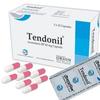

Uses of Metaflam 60 :
Metaflam 60 use as a treatment of pain and inflammation.
It is indicated for the symptomatic treatment of pain and swelling caused by acute joint inflammation in rheumatoid arthritis, osteoarthritis, low back pain, and postoperative pain. It is also indicated for the treatment of chronic inflammation of the joints in the presence of rheumatoid arthritis, ankylosing spondylitis, irritation in the joints and spinal column caused by degenerative disorders, inflammatory soft-tissue rheumatism syndrome, and painful swelling and inflammation caused by injury.
Hypersensitivity to acemetacin or other NSAIDs: Metaflam 60 is contraindicated in people who are allergic to acemetacin or to other NSAIDs
Active peptic ulcer disease or gastrointestinal bleeding: Metaflam 60 is contraindicated in people who have active peptic ulcer disease or gastrointestinal bleeding.
Metaflam 60 is not recommended for people with a history of asthma, urticaria, or other allergic reactions to NSAIDs.
Non-steroidal Anti-inflammatory Drugs (NSAIDs)
Acemetacin is a non-steroidal anti-inflammatory drug. It is also known as an NSAID. It works by blocking a substance in the body called cyclooxygenase (also known as COX) which is involved in the production of certain irritant chemicals in response to injury or rheumatic disease. By blocking the action of COX, Acemetacin reduces the symptoms of pain and inflammation.
How to use Acemetacin:
Take Acemetacinin the dose and duration prescribed by doctor. Swallow it whole. Don't chew, crush, or break it. Acemetacin should be taken with food.
Administration:
Acemetacin should be taken with food, milk or an antacid to reduce the possibility of gastro-intestinal disturbance.
Adult Dose:
The usual starting dose of acemetacin is 60 mg three times a day.
The maximum recommended daily dose is 180 mg.
Child Dose:
It has not been approved for use in children under the age of 18.
Renal Dose:
For patients with mild to moderate renal impairment (creatinine clearance ≥30 mL/min):
The recommended starting dose of acemetacin is 60 mg twice a day.
The maximum recommended daily dose is 120 mg.
For patients with severe renal impairment (creatinine clearance <30 mL/min):
Acemetacin is not recommended.
Anticoagulants: Acemetacin can increase the risk of bleeding when taken with anticoagulants, such as warfarin and heparin.
Antiplatelet agents: Acemetacin can increase the risk of bleeding when taken with antiplatelet agents, such as aspirin and clopidogrel.
Other NSAIDs: Acemetacin can increase the risk of side effects when taken with other NSAIDs, such as ibuprofen and naproxen.
Methotrexate: Acemetacin can increase the blood levels of methotrexate, which can lead to an increased risk of side effects.
Lithium: Acemetacin can increase the blood levels of lithium, which can lead to an increased risk of side effects.
Digoxin: Acemetacin can increase the blood levels of digoxin, which can lead to an increased risk of side effects.
Phenytoin: Acemetacin can decrease the blood levels of phenytoin, which can lead to a decreased effectiveness of phenytoin.
Hypersensitivity to acemetacin or other NSAIDs: Acemetacin is contraindicated in people who are allergic to acemetacin or to other NSAIDs
Active peptic ulcer disease or gastrointestinal bleeding: Acemetacin is contraindicated in people who have active peptic ulcer disease or gastrointestinal bleeding.
Acemetacin is not recommended for people with a history of asthma, urticaria, or other allergic reactions to NSAIDs.
Sometimes it causes
- Diarrhea
- Vomiting
- Nausea
- Abdominal pain
- Dizziness
- Drowsiness
- Peptic ulceration
- Heartburn
- Indigestion
- Stomach upset
- Headache
Common side effects include anorexia, nausea, vomiting, diarrhea and constipation, peptic ulceration, headache, dizziness, and vertigo. Confusion, depression, oedema, chest pain, and elevated blood urea levels are uncommon.
Pregnancy & Lactation Category Note:
Pregnancy: Acemetacin should not be taken by women in their third trimester of pregnancy.
Acemetacin should be used with caution in women in their first or second trimester of pregnancy.
Acemetacin can harm the fetus if taken during the third trimester of pregnancy.
Acemetacin can also cause issues during labor and delivery. .
Lactation:
Acemetacin is not recommended for use while breastfeeding.
Acemetacin can pass into breast milk and cause adverse effects in nursing infants.
Precaution:
Caution should be taken in elderly people. Allergic reactions: Acemetacin can cause allergic reactions, including rash, hives, swelling of the face, lips, tongue, or throat, and difficulty breathing. If you experience any of these symptoms, stop taking acemetacin and seek medical attention immediately.
Heart disease: Acemetacin can increase the risk of heart attack and stroke, especially in people with a history of heart disease. The risk is highest in people who take high doses of acemetacin for a long period of time.
Stroke: Acemetacin can increase the risk of stroke, especially in people with a history of stroke or other risk factors for stroke, such as high blood pressure, high cholesterol, and diabetes.
Gastrointestinal bleeding: Acemetacin can cause gastrointestinal bleeding, including stomach ulcers and bleeding from the rectum. The risk is highest in people who take high doses of acemetacin for a long period of time.
Kidney problems: Acemetacin can cause kidney problems, including kidney failure. The risk is highest in people with a history of kidney disease.
Liver problems: Acemetacin can cause liver problems, including liver failure. The risk is highest in people with a history of liver disease.
Store at temperatures below 25°C. Protect against moisture and light .Keep out of the reach of children.
Non-steroidal Anti-inflammatory Drugs (NSAIDs)
Acemetacin is a nonselective inhibitor of pro-inflammatory mediators produced by the enzyme COX. COX is required for the synthesis of prostaglandin E2 and F2, molecules derived from fatty acids and stored in the cell membrane. Acetometacine is metabolized to produce its major metabolite, indometacin, which is a non-selective COX inhibitor with the ability to inhibit polymorphonuclear leukocyte motility and reduce cerebral flow by modulating the nitric oxide and vasoconstriction pathways.
The safety of this medicine in human pregnancy and lactation has not been established. Some animal reproduction studies showed some toxic/ teratogenic effects on fetus. Therefore, use of this drug during pregnancy and lactation period is not recommended.


Samm Care