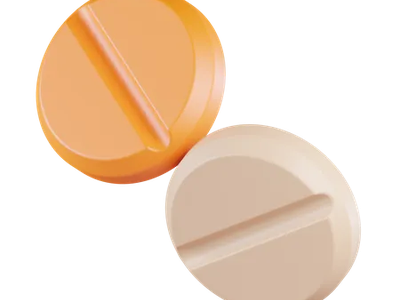
Lowcal 18 18 mg
Aspartame
Category: Tablet
Manufacturer: Opsonin Pharma Limited

Allopathic
MFG. Licence No. Biological
012
MFG. Licence No. Non-Biological
080
Address
Rupatali,
Price: 0.69 ৳
100 x 1 in Bottle

Medicine Selling service is not available yet.
Related Medicines

According to individual taste. 1 pellet is equiv. in sweetness to 1 tsp of sugar or 2 calories.
Oral nutritional preparations
Aspartame is a low-calorie sweetener used to sweeten a wide variety of low- and reduced-calorie foods and beverages, including low-calorie tabletop sweeteners. Aspartame is composed of two amino acids, aspartic acid and phenylalanine, as the methyl ester. Aspartic acid and phenylalanine are also found naturally in protein containing foods, including meats, grains and dairy products. Methyl esters are also found naturally in many foods such as fruits and vegetable and their juices. Upon digestion, aspartame breaks down into three components (aspartic acid, phenylalanine and methanol), which are then absorbed into the blood and used in normal body processes. Neither aspartame nor its components accumulates in the body. These components are used in the body in the same ways as when they are derived from common foods.Aspartame is 180 to 200 times sweeter than sucrose, it is metabolized as a protein and its subsequent amino-acids used up in there respective mechanisms.
Adult Dose:
If pregnant or breast-feeding, seek advice of a health professional before use.
Renal Dose:
Aspartame is an artificial, non-saccharide sweetener used as a sugar substitute. Aspartame (L-alpha-aspartyl-L-phenylalanine methyl ester) is a low-calorie sweetener used to sweeten a wide variety of low- and reduced-calorie foods and beverages, including low-calorie tabletop sweeteners. Aspartame is composed of two amino acids, aspartic acid and phenylalanine, as the methyl ester. Upon digestion, aspartame breaks down into three components (aspartic acid, phenylalanine and methanol), which are then absorbed into the blood and used in normal body processes. 200 times sweeter than sucrose, it is metabolized as a protein and its subsequent amino-acids used up in their respective mechanisms.
Complete biliary obstruction; hypersensitivity.
Complete biliary obstruction, hypersensitivity.
Constipation; faecal impaction; haemorrhoids; abdominal discomfort or pain; heartburn; flatulence; nausea; vomiting; diarrhoea; increased bleeding tendency (chronic use); osteoporosis; steatorrhoea (high doses); skin rashes; pruritus of the tongue, skin and perianal region; hyperchloraemic acidosis.
Pregnancy Category-C. Animal reproduction studies have shown an adverse effect on the fetus and there are no adequate and well-controlled studies in humans, but potential benefits may warrant use of the drug in pregnant women despite potential risks.
Precaution:
Sugar substitute
Oral nutritional preparations
Aspartame is a low-calorie sweetener used to sweeten a wide variety of low- and reduced-calorie foods and beverages, including low-calorie tabletop sweeteners. Aspartame is composed of two amino acids, aspartic acid and phenylalanine, as the methyl ester. Aspartic acid and phenylalanine are also found naturally in protein containing foods, including meats, grains and dairy products. Methyl esters are also found naturally in many foods such as fruits and vegetable and their juices. Upon digestion, aspartame breaks down into three components (aspartic acid, phenylalanine and methanol), which are then absorbed into the blood and used in normal body processes. Neither aspartame nor its components accumulates in the body. These components are used in the body in the same ways as when they are derived from common foods.Aspartame is 180 to 200 times sweeter than sucrose, it is metabolized as a protein and its subsequent amino-acids used up in there respective mechanisms.
Constipation; faecal impaction; haemorrhoids; abdominal discomfort or pain; heartburn; flatulence; nausea; vomiting; diarrhoea; increased bleeding tendency (chronic use); osteoporosis; steatorrhoea (high doses); skin rashes; pruritus of the tongue, skin and perianal region; hyperchloraemic acidosis.

Samm Care