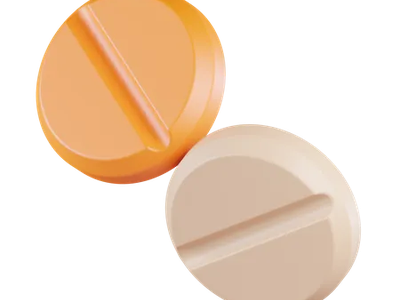
Koal 300 mg
Activated Charcoal
Category: Tablet
Manufacturer: Ambee Pharmaceuticals Ltd.

Allopathic
MFG. Licence No. Biological
383
MFG. Licence No. Non-Biological
124
Address
184/1 Tejgaon I/A, Dhaka

Medicine Selling service is not available yet.
Related Medicines

Oral
Acute oral poisoning
Adult: 25-100 g as a single dose. For multiple-dose treatment: 50-100 g as an initial dose followed by not <12.5 g every hr. Alternatively, 25 mg every 2 hr or 50 mg every 4 hr.
Minimum dose = 25 g
Commonly used with sorbitol 25 g; multiple dose regimen 25 g PO q2hr or 50 g q4hr without sorbitol
DO NOT give sorbitol after first dose due to risk for severe diarrhea; use aqueous solution
Child: <1 yr: 1 g/kg/dose may repeat q4-6hr; 1-12 yr: 25-50 g/dose may repeat q4-6hr.
Gastrointestinal disorders
Adult: 0.975 - 3.9 g tid.
Oral
Acute oral poisoning
Child: <1 yr: 1 g/kg/dose may repeat q4-6hr; 1-12 yr: 25-50 g/dose may repeat q4-6hr.
Anti-diarrhoeal, Antidote preparations
Active charcoal binds the poison and prevents its absorption by the gastrointestinal tract. In cases of suspected poisoning, medical personnel administer activated carbon on the scene or at a hospital's emergency department. In rare situations, it may also be used in a hemoperfusion system to remove toxins from the blood stream of poisoned patients. Activated carbon has become the treatment of choice for many poisonings, and other decontamination methods such as ipecac-induced emesis or stomach pumping are now used rarely. It interrupts the enterohepatic and enteroenteric circulation of some drugs/toxins and their metabolites.
Administration:
Reduces absorption of most drugs from GI tract. Decreases effectiveness of methionine via adsorption. Decreases ipecac effect.
Adult Dose:
Decreased peristalsis: administer within 1 hr of ingestion. Induce vomiting of ipecac syr before admin of charcoal to prevent adsorption of ipecac. Petroleum distillate, caustic ingestions may harm gastric lining upon induction of vomiting by charcoal. Limit admin of charcoal in sorbitol doses to prevent loss of fluid and electrolyte. Monitor for active bowel sounds before administering charcoal. Pregnancy.
Renal Dose:
Charcoal due to its large surface area, inhibits the GI absorption of toxic substances or irritants eg, aromatic or benzenoid-type substances through adsorption. As a laxative, the addition of sorbitol provides hyperosmotic environment thus causing catharsis. Moreover, charcoal interferes with the enterohepatic circulation of bile acids resulting to a lower cholesterol level.
Cyanide, mineral acids, caustic alkalis, organic solvents, iron, ethanol, methanol poisoning; lithium, methionine; intestinal obstruction, anatomically-broken GI tract, haemorrhage or GI perforation. Concomitant use of charcoal with sorbitol: Patients with fructose intolerance; Childn <1 yr.
Oral
Acute oral poisoning
Child: <1 yr: 1 g/kg/dose may repeat q4-6hr; 1-12 yr: 25-50 g/dose may repeat q4-6hr.
As most undesirable effects are based on post-marketing spontaneous reporting, precise frequency estimation is not possible. No adverse reactions to Ultracarbon are known to occur if taken in the recommended dosage to treat the diarrhoea. After very high doses as those taken in intoxications, constipation and intestinal obstruction (mechanical ileus) may occur in individual cases; this can be prevented by administering saline laxatives (eg, sodium sulfate). As medicinal charcoal is excreted in unchanged form, the stools turn black (discoloured faeces) after intake of Ultracarbon tablets.
No data found
Precaution:
Poisonings, Drug overdose, Gastrointestinal disorders
Activated charcoal is well tolerated and due to its lack of toxicity, overdose requiring treatment is unlikely. Should symptoms of overdose like constipation and intestinal obstruction (mechanical ileus) occur, a saline laxative may be administered to enhance the elimination of Ultracarbon tablets.
Do not store above 30°C.
Anti-diarrhoeal, Antidote preparations
Active charcoal binds the poison and prevents its absorption by the gastrointestinal tract. In cases of suspected poisoning, medical personnel administer activated carbon on the scene or at a hospital's emergency department. In rare situations, it may also be used in a hemoperfusion system to remove toxins from the blood stream of poisoned patients. Activated carbon has become the treatment of choice for many poisonings, and other decontamination methods such as ipecac-induced emesis or stomach pumping are now used rarely. It interrupts the enterohepatic and enteroenteric circulation of some drugs/toxins and their metabolites.
Vomiting, constipation, diarrhoea, black stools, swelling of abdomen, bowel obstruction; platelet aggregation, charcoal embolism, thrombocytopenia, haemorrhage, hypoglycaemia, hypocalcaemia, hypothermia, hypotension (haemoperfusion with activated charcoal); blackening of teeth and mouth; hypernatraemia, hypokalaemia, hypermagnesemia (with concomitant admin with cathartics).

Samm Care