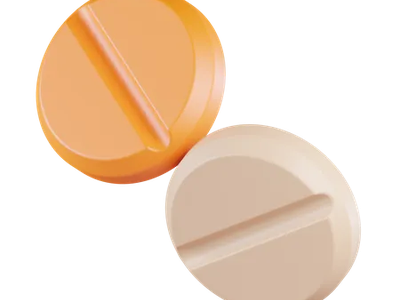
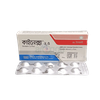
Kinexa 10 mg
Generic: Rivaroxaban
Category: Tablet
Manufacturer: Beximco Pharmaceuticals Ltd.

Allopathic
MFG. Licence No. Biological
119
MFG. Licence No. Non-Biological
379
Address
Tongi I/A, Gazipur
Price: 750.0 ৳
30's pack
10's Strip

Medicine Selling service is not available yet.
Alternative Brands & Related Medicines
Indications
Kinexa 2.5 mg:
For the prevention of atherothrombotic events in adult patients after an Acute Coronary Syndrome (ACS) with elevated cardiac biomarkers (Troponin or CK-MB). It is co-administered with Aspirin alone or with Aspirin plus Clopidogrel orTidopidine.
Kinexa ... Read moreKinexa 2.5 mg:
For the prevention of atherothrombotic events in adult patients after an Acute Coronary Syndrome (ACS) with elevated cardiac biomarkers (Troponin or CK-MB). It is co-administered with Aspirin alone or with Aspirin plus Clopidogrel orTidopidine.
Kinexa 10-20 mg:
To reduce the risk of stroke and systemic embolism in patients with nonvalvular atrial fibrillation
Deep vein thrombosis (DVT) & pulmonary embolism (PE) and reduction in the risk of recurrence of DVT and of PE
For the prophylaxis of DVT, which may lead to PE in patients undergoing knee or hip replacement surgery
Therapeutic Class
Oral Anti-coagulants
Pharmacology
Rivaroxaban is a highly selective direct factor Xa inhibitor. Inhibition of factor Xa interrupts the intrinsic and extrinsic pathway of the blood coagulation cascade, inhibits thrombin formation. Rivaroxaban does not inhibit thrombin (activated factor II) and no effects on platelets have been demonstrated.
Interaction
Concomitant use with drugs that are combined P-gp and CYP3A4 inhibitors (ketoconazole, ritonavir, clarithromycin, erythromycin, fluconazole, diltiazem, verapamil, dronedarone) increases in Rivaroxaban exposure and pharmacodynamic effects (i.e., factor Xa inhibition and PT prolongation), that’s why should be avoided. Co-administration of Rivaroxaban with a combined P-gp and strong CYP3A4 inducer (e.g., rifampicin, phenytoin, carbamazepine) decreases the efficacy of Rivaroxaban and also should be avoided. The concomitant use of other drugs like anti-platelet agents, heparin, fibrinolytic therapy, NSAIDs may cause an increased risk of bleeding.
Contraindications
It is contraindicated in patients with known hypersensitivity of Rivaroxaban or any of the excipients of the product. It is also contraindicated in patients with active pathological bleeding.
Side Effects
The most common side effects of Rivaroxaban have increased chance of bleeding, spinal or epidural hematoma and increased risk of stroke after discontinuation in nonvalvular atrial fibrillation.
Pregnancy And Lactation
There are no adequate or well-controlled studies of Rivaroxaban in pregnant women, and dosing for pregnant women has not been established.Safety and efficacy of Rivaroxaban have not been established in breast-feeding women
Precautions And Warnings
Early discontinuation of Rivaroxaban, in the absence of adequate alternative anticoagulation increases the risk of thrombotic events. Rivaroxaban increases the risk of bleeding that can be fatal in presence of following risk factors- bleeding disorders, uncontrolled severe arterial hypertension, gastrointestinal disease (e.g., inflammatory bowel disease, oesophagitis, gastritis and gastroesophageal reflux disease), vascular retinopathy, bronchiectasis, history of pulmonary bleeding. Signs or symptoms of neurological impairment should be monitored in case of neuraxial anesthesia (spinal/epidural anesthesia) or spinal puncture as epidural or spinal hematoma can occur. Rivaroxaban is not recommended in patients with pulmonary embolism who present with hemodynamic instability or who may receive thrombolysis or pulmonary embolectomy.
Overdose Effects
Overdose of Rivaroxaban may lead to hemorrhage. Rivaroxaban systemic exposure is not further increased at single doses >50 mg due to limited absorption. A specific antidote for Rivaroxaban is not available. The use of activated charcoal to reduce absorption in case of Rivaroxaban overdose may be considered. Partial reversal of laboratory anticoagulation parameters may be achieved with use of plasma products.
Storage Conditions
Store in a cool (below 30°C) & dry place protected from light. Keep away from the reach of children.
Drug Classes
Oral Anti-coagulants
Mode of Action
Rivaroxaban is a highly selective direct factor Xa inhibitor. Inhibition of factor Xa interrupts the intrinsic and extrinsic pathway of the blood coagulation cascade, inhibits thrombin formation. Rivaroxaban does not inhibit thrombin (activated factor II) and no effects on platelets have been demonstrated.
Pregnancy Category
Rivaroxaban is a pregnancy category C drug. There are no adequate or well-controlled studies of Rivaroxaban in pregnant women, and dosing for pregnant women has not been established. It is not known if Rivaroxaban is excreted in human milk. The safety and efficacy of Rivaroxaban has not been established in breastfeeding women.

Samm Care