Ketocan 2%
Generic: Ketoconazole
Category: Cream
Manufacturer: Opsonin Pharma Limited
Unclassified — prescription required · Upload a prescription at checkout. Pharmacist approval is required before preparation.
Currently unavailable to order.

Allopathic
MFG. Licence No. Biological
012
MFG. Licence No. Non-Biological
080
Address
Rupatali,

Alternative Brands & Related Medicines

Indications
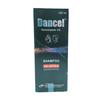
Ketocan therapeutic shampoo is used for prevention and treatment of infections in which the yeast Malassezia furfur (previously called Pityrosporum orbiculare) is likely to be involved, such as dandruff, seborrhoeic dermatitis and tinea (pityriasis) versicolor.
Therapeutic Class
Drugs for subcutaneous and mycoses
Pharmacology
Ketoconazole 2% shampoo is a broad spectrum imidazole-dioxolane, synthetic antifungal agent which inhibits the in vitro growth of the following common dermatophytes and yeasts by altering the permeability of the cell membrane: dermatophytes: Trichophyton rubrum, T. mentagrophytes, T. tonsurans, Microsporum canis, M. audouini, M. gypseum and Epidermophyton floc-cosum; yeasts: Candida albicans, Malassezia ovale (Pityrosporum ovale) and C. tropicalis; and the organism responsible for tinea versicolor, Malassezia furfur (Pityrosporum orbiculare).
Dosage and Administration
For topical administration of adults, elderly and children. Wash affected areas and leave for 3-5 minutes before rinsing.Treatment:
Dandruff and seborrhoeic dermatitis: Wash hair twice weekly for 2-4 weeks.
Tinea versicolor: Once daily for a maximum of 5 days.
Prophylaxis:
Dandruff and seborrhoeic dermatitis: Use once every 1-2 weeks.
Tinea versicolor: Once daily for a maximum of 3 days before exposure to sunshine.
If a patient shows no clinical improvement after the treatment period, the diagnosis should be redetermined.
Interaction
No information was found for Shampoo form of Ketoconazole.
Contraindications
Ketoconazole therapeutic shampoo is contraindicated in persons who have shown hypersensitivity to Ketoconazole or any of the excipient.
Side Effects
In 11 double-blind trials in 264 patients using ketoconazole 2% shampoo for the treatment of dandruff or seborrheic dermatitis, an increase in normal hair loss and irritation occurred in less than 1% of patients. In three open-label safety trials in which 41 patients shampooed 4-10 times weekly for six months, the following adverse experiences each occurred once: abnormal hair texture, scalp pustules, mild dryness of the skin, and itching. As with other shampoos, oiliness and dryness of hair and scalp have been reported. In a double-blind, placebo-controlled trial in which patients with tinea versicolor were treated with either a single application of ketoconazole 2% Shampoo (n=106), a daily application for three consecutive days (n=107), or placebo (n=105), drug-related adverse events occurred in 5 (5%), 7 (7%) and 4 (4%) of patients, respectively. The only events that occurred in more than one patient in any one of the three treatment groups were pruritus, application site reaction, and dry skin; none of these events occurred in more than 3% of the patients in any one of the three groups. In worldwide experience with Ketoconazole 2% Shampoo there have been rare reports of hair discoloration.
Pregnancy And Lactation
Pregnancy Category C. There are no adequate and well controlled studies in pregnant or lactating women. Data on a limited number of exposed pregnancies indicate no adverse effects of topical ketoconazole on pregnancy or on the health of the foetus/newborn child. Animal studies have shown reproductive toxicity at doses that are not relevant to the topical administration of ketoconazole. No effects on the breastfed newborn/infant are anticipated. Plasma concentrations of ketoconazole were not detectable after topical administration of Ketoconazole shampoo to the scalp of non-pregnant humans. Plasma levels were detected after topical administration of Ketoconazole shampoo on the whole body. There are no known risks associated with the use of Ketoconazole shampoo in pregnancy or lactation. Ketoconazole shampoo should be used during pregnancy only if the potential benefit justifies the potential risk to the fetus.
Precautions And Warnings
In patients who have been on prolonged treatment with topical corticosteroids, it is recommended that the steroid therapy be gradually withdrawn over a period of 2 to 3 weeks,while using Ketoconazole therapeutic shampoo, to prevent any potential rebound effect. Avoid contact with eyes. If the shampoo enters to the eyes, rinse immediately with plenty ofwater.
Overdose Effects
No specific information is available on the treatment of overdosage with Ketoconazole shampoo unless taken at doses higher than the recommended dose. In the event of accidental ingestion, supportive and symptomatic measures should be carried out. In order to avoid aspiration, neither emesis nor gastric lavage should be instigated.
Storage Conditions
Store at temperature below 25°C away from heat and light. Do not store in the bathroom. Keep away from children and pets.

Samm Care