
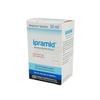
Ipramid 250 mcg/ml
Ipratropium Bromide
Category: Nebuliser Solution
Manufacturer: Beximco Pharmaceuticals Ltd.

Allopathic
MFG. Licence No. Biological
119
MFG. Licence No. Non-Biological
379
Address
Tongi I/A, Gazipur
Price: 130.0 ৳
20 ml bottle

Medicine Selling service is not available yet.
Related Medicines




Uses of Ipramid:
- Chronic obstructive pulmonary disease (COPD)
- Asthma
Asthma, chronic obstructive pulmonary disease, chronic bronchitis, emphysema.
Ipramid solution should not be taken by patients with known hypersensitivity to atropine or its derivatives or to any other component of the product.
Anticholinergic bronchodilators
Ipratropium Bromide is a quaternary ammonium compound with anticholinergic properties. It appears to inhibit vagal reflexes by antagonising the action of acetylcholine (the transmitter agent released from the vagus nerve). Anticholinergics prevent the increase in intracellular concentration of cyclic guanosine monophosphate (cyclic GMP) caused by interaction of acetylcholine with the muscarinic receptor on bronchial smooth muscle.
How to use
Ipratropium Bromide:
Use this medicine in the dose and duration as advised by your doctor. Check the label for directions before use. Twist off the top of the respule/transpule and squeeze all the liquid into the nebulizer. It should be used right away after opening.
Adult Dose:
Inhalation
Asthma; Chronic obstructive pulmonary disease
Adult: As Inhaler: Adults: 1-2 puffs (20 mg/puff) 3-4 times daily. Single doses of up to 80 mcg may be required in some patients.
As nebulized soln
250-500 mcg 3-4 times daily.
Child Dose:
Inhalation
Asthma; Chronic obstructive pulmonary disease
Child: As metered-dose aerosol:
<6 yr 20 mcg tid;
6-12 yr 20-40 mcg tid.
As soln for nebulisation:
<6 yr For acute asthma: 125-250 mcg, given no more often than 6 hrly up to a total dose of 1 mg.
6-12 yr For acute and chronic asthma: 250 mcg, repeated as necessary up to a total dose of 1 mg.
Increased toxicity with other anticholinergic drugs.
Ipratropium Bromide solution should not be taken by patients with known hypersensitivity to atropine or its derivatives or to any other component of the product.
Common
- Dryness in mouth
- Dry nose
Dry mouth, urinary retention, buccal ulceration, paralytic ileus, headache, nausea, constipation, paradoxical bronchospasm, immediate hypersensitivity reactions (urticaria, angioedema), acute angle-closure glaucoma.
Potentially Fatal: Anaphylactic reactions, atrial fibrillation, supraventricular tachycardia.
The safety of Ipratropium Bromide during human pregnancy has not been established. The benefits of using Ipratropium Bromide during a confirmed or suspected pregnancy must be weighed against possible hazards to the unborn child. It is not known whether Ipratropium Bromide is excreted into breast milk.
Precaution:
Bladder neck obstruction, narrow-angle glaucoma or patients susceptible to glaucoma, prostatic hyperplasia. Protect patient's eyes from nebulised drug. Renal and hepatic impairment. Pregnancy, lactation, children, elderly.
Acute overdosage by inhalation is unlikely since Ipratropium bromide is not well absorbed systematically after aerosol administration. Inhaled dosage of 5 mg produces an increase in heart rate and palpitation. Single doses of Ipratropium bromide 30 mg by mouth caused anticholinergic side effects but which were not considered severe enough to require specifc reversal.
As the product contains no preservative, a fresh ampoule should be used for each dose and the ampoule should be opened immediately before administration. Any solution left in the ampoule should be discarded. Do not store above 25°C. Keep the ampoule in the outer carton.
Anticholinergic bronchodilators
Ipratropium bromide blocks the action of acetylcholine at parasympathetic sites in bronchial smooth muscle causing bronchodilation.
The safety of Ipratropium Nebulizer Solution during human pregnancy has not been established. The benefits of using Ipratropium Nebuliser Solution during pregnancy must be weighed against the possible hazards to the fetus. It is not known whether ipratropium bromide is excreted into breast milk. Caution should be exercised when Ipratropium Nebulizer Solution is administered to nursing mothers.


Samm Care