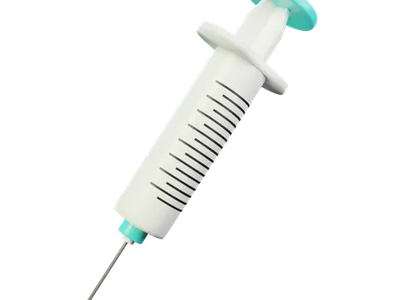
Mypart 100 IU/ml
Generic: Insulin Aspart
Category: Injection
Manufacturer: Drug International Ltd., Squib Road

Drug International Ltd., Squib Road
Allopathic
MFG. Licence No. Biological
220
Address
Tongi I/A, Gazipur
Price: 450.0 ৳
3 ml Vial

Medicine Selling service is not available yet.
Alternative Brands & Related Medicines
Indications
Uses of Mypart:
- Diabetes mellitus (Type 1 & Type 2)
Diabetes mellitus
Hypoglycaemia. Hypersensitivity to any of the components.
Therapeutic Class
Rapid Acting Insulin
Pharmacology
The primary activity of Insulin Aspart is the regulation of glucose metabolism. Insulin Aspart bind to the insulin receptors on muscle and fat cells and lower blood glucose by facilitating the cellular uptake of glucose and simultaneously inhibiting the output of glucose from the liver.
Dosage and Administration
How to use
Insulin Aspart:
Your doctor or nurse will guide you how to use this medicine.
Administration:
SC injection
Should be taken with food. Administer immediately within 5-10 minutes before a meal.
When administered by SC injection, insulin aspart should generally be used in regimens with an intermediate- or long-acting insulin
Administer subcutaneously in the upper arm, thigh or abdominal wall. A subcutaneous injection into the abdominal wall results in a faster absorption than from other injection sites.
Injection sites should be rotated within the same region to reduce the risk of lipodystrophy
Adult Dose:
Subcutaneous
Type 1 Diabetes Mellitus
Improvement of glycemic control in adults and children with diabetes mellitus
May administer 0.2-0.6 unit/kg/day in divided doses; conservative doses of 0.2-0.4 unit/kg/day often recommended to reduce risk of hypoglycemia
Total maintenance daily insulin requirement may vary; it is usually between 0.5 and 1 unit/kg/day; nonobese may require 0.4-0.6 unit/kg/day; obese may require 0.6-1.2 units/kg/day
Type 2 Diabetes Mellitus
Diabetes inadequately controlled by diet, weight reduction, exercise, or oral medication
Initial: 0.2-0.4 units/kg/day SC divided q8hr-q12hr.
And an intermediate (eg, NPH) or long-acting insulin at bedtime recommended;
Hepatic impairment: Dosage reduction may be needed.
Dosing Considerations
When used in a meal-related SC injection treatment regimen, 50-75% of total insulin requirements may be provided by an intermediate-acting or long-acting insulin; the remainder is divided and provided before or at mealtimes as a rapid-acting insulin, such as insulin aspart
Dosage must be individualized; blood and urine glucose monitoring is essential in all patients receiving insulin therapy
Child Dose:
Subcutaneous
Type 1 Diabetes Mellitus
Improvement of glycemic control in adults and children with diabetes mellitus
>2 years: May require 0.8-1.2 units/kg/day SC during growth spurts; adolescents may require <1.2 units/kg/day; otherwise, may use 0.5-1 unit/kg/day
Renal Dose:
Renal impairment: Dose adjustments may be needed.
Interaction
Effects may be increased by: oral antidiabetic agents, ACE inhibitors, disopyramide, fibrates, fluoxetine, MAOIs, propoxyphene, salicylates, somatostatin analog (e.g., octreotide), sulfonamide antibiotics. Effects may be decreased by: corticosteroids, niacin, danazol, diuretics, sympathomimetic agents, isoniazid, phenothiazine derivatives, somatropin, thyroid hormones, oral contraceptives, lithium. Signs of hypoglycaemia may be masked by beta-blockers, clonidine.
Contraindications
Hypoglycaemia. Hypersensitivity to any of the components.
Side Effects
Common
- Hypoglycemia (low blood glucose level)
- Lipodystrophy (skin thickening or pits at the injection site)
- Injection site allergic reaction
- Itching
- Rash
Allergic reactions. Injection site reaction, lipodystrophy, pruritus, rash, lipoatrophy, hypokalaemia, blurred vision. Hypoglycaemia, insulin resistance.
Pregnancy And Lactation
Pregnancy category B. There are no restrictions on treatment with Insulin Aspart during lactation. Insulin treatment of the nursing mother should not affect the baby. However, dosage may need to be adjusted.
Precautions And Warnings
Precaution:
Pregnancy (insulin requirements tend to fall during the 1st trimester, increase during the 2nd and 3rd) and lactation. Caution with decreased insulin requirements: Diarrhea, nausea/vomiting, malabsorption, hypothyroidism, renal impairment, hepatic impairment
Hypokalemia may occur
Use with caution in renal and hepatic impairment (dosage requirements may be reduced)
Caution with increased insulin requirements: Fever, hyperthyroidism, trauma, infection, surgery
Lactation: Safe to use while breastfeeding
Overdose Effects
A specific overdose for insulin cannot be defined, however, hypoglycaemia may develop over sequential stages if too high doses relative to the patient’s requirement are administered. Mild hypoglycaemic episodes can be treated by oral administration of glucose or sugary products. Severe hypoglycaemic episodes, where the patient has become unconscious, can be treated by glucagon (0.5 to 1 mg) given intramuscularly or subcutaneously. Glucose must also be given intravenously if the patient does not respond to glucagon within 10 to 15 minutes. Upon regaining consciousness administration of oral carbohydrate is recommended for the patient in order to prevent relapse.
Storage Conditions
Store at 2°C to 8°C in a refrigerator. Do not freeze. Protect from light.
Drug Classes
Rapid Acting Insulin
Mode of Action
Insulin aspart, a rapid-acting analog of human insulin, lowers blood glucose levels; it regulates carbohydrate, protein and fat metabolism by inhibiting hepatic glucose production and lipolysis, and enhancing peripheral glucose disposal.
Pregnancy Category
Pregnancy category B. There are no restrictions on treatment with Insulin Aspart during lactation. Insulin treatment of the nursing mother should not affect the baby. However, dosage may need to be adjusted.

Samm Care