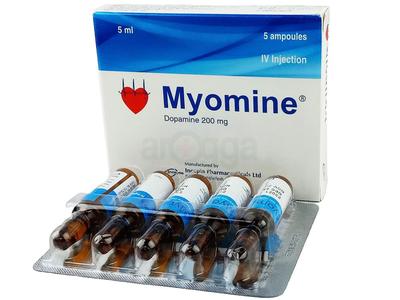
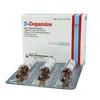
Dopamine stimulates dopaminergic receptors at lower doses producing renal and mesenteric vasodilation; at higher doses stimulates both dopaminergic and β1-adrenergic receptors producing cardiac stimulation and renal vasodilation; large doses stimulates α-adrenergic receptors.
Dosage and Administration
How to use
Dopamine Hydrochloride:
Your doctor or nurse will give you this medicine. Kindly do not self administer.
Adult Dose:
Hemodynamic Conditions
Treatment of hypotension, low cardiac output, poor perfusion of vital organs; used to increase mean arterial pressure in septic shock patients who remain hypotensive after adequate volume expansion
1-5 mcg/kg/min IV (low dose): May increase urine output and renal blood flow
5-15 mcg/kg/min IV (medium dose): May increase renal blood flow, cardiac output, heart rate, and cardiac contractitlity
20-50 mcg/kg/min IV (high dose): May increase blood pressure and stimulate vasoconstriction; may not have a beneficial effect in blood pressure; may increase risk of tachyarrhythmias
May increase infusion by 1-4 mcg/kg/min at 10-30 min intervals until optimum response obtained
Titrate to desired response
Child Dose:
Hemodynamic Conditions
Treatment of hypotension
1-5 mcg/kg/min IV, increased to 5-20 mcg/kg/min; not to exceed 50 mcg/kg/min
Titrate to desired response
Interaction
Cyclopropane and halogenated hydrocarbon anaesthetics may sensitise myocardium to dopamine and precipitate ventricular arrhythmias. MAO inhibitors prolong and increase dopamine effects. Ergots potentiate vasoconstriction action of dopamine. Alpha-blockers unmask dopamine's beta action.
Common
- Flushing (sense of warmth in the face, ears, neck and trunk)
- Headache
- Increased heart rate
- Palpitations
Cardiovascular: Ventricular arrhythmia, atrial fibrillation (at very high doses), ectopic beats, tachycardia, anginal pain, palpitation, cardiac conduction abnormalities, widened QRS complex, bradycardia, hypotension, hypertension, vasoconstriction
Respiratory: Dyspnea
Gastrointestinal: Nausea, vomiting
Metabolic/nutritional: Azotemia
Central nervous system: Headache, anxiety
Endocrine: Piloerection
Ocular: Increased intraocular pressure; dilated pupils
Gangrene of extremities has occurred when high doses were administered for prolonged periods or in patients with occlusive vascular disease receiving low doses of dopamine hydrochloride
Pregnancy And Lactation
Pregnancy: It is not known whether dopamine crosses the placental barrier. The benefits of using this product should be weighed against the possible risks to the fetus.Lactation: It is not recommended for breast-feeding mothers unless the expected benefits outweigh any potential risks.
Precautions And Warnings
Precaution:
Shock secondary to MI, history of peripheral vascular disease. Correct hypovolaemia before infusion. History of occlusive vascular disease e.g, atherosclerosis, Raynaud's disease, Buerger's disease, diabetic endarteritis; disproportionate increase in diastolic pressure. Pregnancy.
Lactation: Unknown whether drug is excreted into breast milk; use caution
Overdose Effects
In case of accidental overdosage, as evidenced by excessive blood pressure elevation, reduce the rate of administration or temporarily discontinue dopamine hydrochloride until the patients condition stabilized. Since the duration of action of dopamine hydrochloride is quite short, no additional measures are usually necessary. If these measures fail to stabilize the patient's condition, use of the short-acting α-adrenergic blocking agent such as Phentolamine should be considered.
Storage Conditions
Store below 25°C and protect from light.
Drug Classes
Inotropic-sympathomimetics
Mode of Action
Dopamine stimulates dopaminergic receptors at lower doses producing renal and mesenteric vasodilation while at higher doses stimulate both dopaminergic and ?-adrenergic receptors producing cardiac stimulation and renal vasodilation. It increases heart rate and force of contraction. At low infusion rates vasodilatation occurs in the renal, mesenteric, coronary and cerebral beds. At higher rates vasoconstriction in skeletal muscles and a rise in BP.
Pregnancy Category
Pregnancy category: C
Lactation: Unknown whether drug is excreted into breast milk; use caution