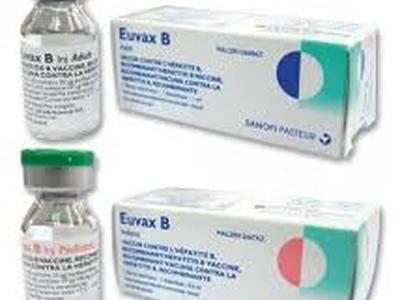
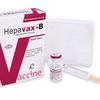
Indications
To prevent Hepatiis B virus
For active immunization against the, Hepatitis B infection
Previous confirmed anaphylactic reaction to a previous dose of a vaccine containing the same antigens. Hypersensitivity. Vaccines prepared in egg cultures are contraindicated in patients with hypersensitivity reactions to egg. Severe immunodeficiency. Malignant disease being treated with chemotherapy or radiotherapy and for at least 6 mth after stopping treatment. Patients with compromised immune system such as those on high-dose systemic corticosteroids, immunosuppressants or HIV positive.
Dosage and Administration
Administration:
Administer in deltoid muscle for older children and adolescents; anterolateral thigh preferred for neonates/infants/small children
Do not give IV/intradermal
Adult Dose:
Intramuscular
Active immunisation against hepatitis B
Neonates and children up to 19 years of age: The recommended dose of Hepatitis B vaccine (rDNA) is 10 mcg of antigen protein in 0.5 ml.
Adults 19 years of age and older: The recommended dose of Hepatitis B vaccine (rDNA) is 20 mcg of antigen in 1 ml.
The usual immunization regimen consists of 3 doses of vaccine for adult and children. 0,1 and 6 months
First dose: at selected date,
Second dose: 1 month later after first dose,
Third dose: 6 months after first dose.
Or
Accelerated schedule for all ages- 0,1,2 and 12 months
First dose: at elected date,
Second dose: 1 month later after first dose,
Third dose: 2 months after first dose,
Fourth dose: 12 months after first dose.
Neonate born to hepatitis B surface antigen-positive mother 4 doses of 10 micrograms:
First dose: at birth with hepatitis B immunoglobulin injection (separate site),
Second dose: 1 month after the first dose,
Third dose: 2 months after the first dose,
Fourth dose: 12 months after the first dose.
Renal insufficiency (including haemodialysis patients)
Adult and child over 16 years 4 doses of 40 micrograms-
First dose: at appropriate date,
Second dose: 1 month after the first dose,
Third dose: 2 months after the first dose,
Fourth dose: 6 months after the first dose.
Booster doses should be assessed by annual antibody to hepatitis B surface antigen (anti-HBs) testing.
A booster dose should be administered when anti-HBs levels decline to <10 mIU/ml.
Child Dose:
Intramuscular
Active immunisation against hepatitis B
Neonates and children up to 19 years of age: The recommended dose of Hepatitis B vaccine (rDNA) is 10 mcg of antigen protein in 0.5 ml.
Adults 19 years of age and older: The recommended dose of Hepatitis B vaccine (rDNA) is 20 mcg of antigen in 1 ml.
The usual immunization regimen consists of 3 doses of vaccine for adult and children. 0,1 and 6 months
First dose: at selected date,
Second dose: 1 month later after first dose,
Third dose: 6 months after first dose.
Or
Accelerated schedule for all ages- 0,1,2 and 12 months
First dose: at elected date,
Second dose: 1 month later after first dose,
Third dose: 2 months after first dose,
Fourth dose: 12 months after first dose.
Neonate born to hepatitis B surface antigen-positive mother 4 doses of 10 micrograms:
First dose: at birth with hepatitis B immunoglobulin injection (separate site),
Second dose: 1 month after the first dose,
Third dose: 2 months after the first dose,
Fourth dose: 12 months after the first dose.
Renal insufficiency (including haemodialysis patients)
Adult and child over 16 years 4 doses of 40 micrograms-
First dose: at appropriate date,
Second dose: 1 month after the first dose,
Third dose: 2 months after the first dose,
Fourth dose: 6 months after the first dose.
Booster doses should be assessed by annual antibody to hepatitis B surface antigen (anti-HBs) testing.
A booster dose should be administered when anti-HBs levels decline to <10 mIU/ml.
Interaction
Reduced response to vaccination when used concurrently with immunosuppressants such as corticosteroids or antineoplastics.
Contraindications
Previous confirmed anaphylactic reaction to a previous dose of a vaccine containing the same antigens. Hypersensitivity. Vaccines prepared in egg cultures are contraindicated in patients with hypersensitivity reactions to egg. Severe immunodeficiency. Malignant disease being treated with chemotherapy or radiotherapy and for at least 6 mth after stopping treatment. Patients with compromised immune system such as those on high-dose systemic corticosteroids, immunosuppressants or HIV positive.
Side Effects
>10%
Pain (10-29%),Pruritus (10-29%),Erythema (10-29%),Burning (10-29%),Nodules (10-29%),Fatigue (15%),Headache (15%),Fever (15%),Vertigo (15%)
1-10%
Lightheadedness,Flushinig,Insomnia,Irritability,Arthralgia,Constipation,Pruritus,Lupus-like syndrome,Lymphadenopathy,Tachycardia
Precautions And Warnings
Precaution:
If any alcohol or disinfectant is used for cleansing the skin it should be allowed to evaporate before vaccination otherwise inactivation of live vaccines may occur.
Lactation: not known if excreted in breast milk
Mode of Action
Hepatitis B vaccines are used for active immunisation against hepatitis B infection. Two types of vaccine have been available each containing hepatitis B surface antigen (HBsAg) adsorbed onto aluminium hydroxide or a similar adsorbent.
Pregnancy Category
Pregnancy: Adequate human data on use during pregnancy and adequate animal reproduction studies are not available. This vaccine should be used during pregnancy only when clearly needed and when the possible advantages outweigh the possible risks for the fetus. Lactation: Adequate data on the administration of this vaccine to women who are breast-feeding are not available. This vaccine should be administered to women who are breast-feeding when needed and the possible advantages outweigh the possible risks.