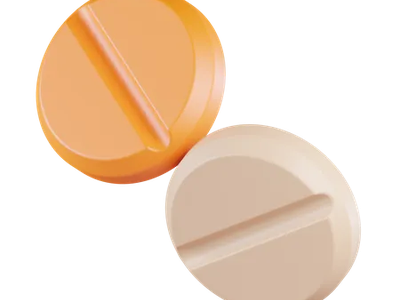
Gynova 2 mg
Estradiol
Category: Tablet
Manufacturer: Renata Limited

Allopathic
MFG. Licence No. Biological
045
MFG. Licence No. Non-Biological
197
Address
Plot No. 1, Sec-7, Milk Vita Road, Mirpur, Dhaka.
Price: 10.0 ৳
1 x 10 in Blister Pack
30's pack
10's Strip

Medicine Selling service is not available yet.
Related Medicines

Uses of Gynova:
- Hormone replacement therapy
Moderate to severe vasomotor symptoms associated with menopause, Prophylaxis of osteoporosis in postmenopausal women, Hypogonadism, Atrophic vaginitis
Hypersensitivity; undiagnosed vag bleeding; thrombophloebitis or thromboembolic disorders; breast carcinoma except in selected patients being treated for metastatic disease; oestrogen-dependent tumor; porphyria; pregnancy.
Female Sex hormones
Estradiol is a naturally occurring oestrogen. Oestrogens are responsible for the development and maintenance of the female reproductive system and secondary sexual characteristics. They modulate the pituitary secretion of gonadotrophins, LH and FSH through a negative feedback system.
How to use
Estradiol:
Take this medicine in the dose and duration as advised by your doctor. Swallow it as a whole. Do not chew, crush or break it.
Estradiol may be taken with or without food, but it is better to take it at a fixed time.
Administration:
May be taken with or without food.
Adult Dose:
Oral
Vulvar and Vaginal Atrophy in Menopause
Adult: 1-2 mg PO once daily for 3 weeks, followed by 1 week off
Prevention of osteoporosis:
0.5 mg PO once daily for 3 weeks, followed by 1 week off
Metastatic breast cancer:
10 mg PO q8hr for 3 months
Prostate cancer:
1-2 mg PO q8hr for ?3 months
CYP1A2 and CYP3A4 inducers e.g. aminoglutethimide, carbamazepine, phenobarbital, and rifampin may decrease the effects of estradiol. May enhance the effects of hydrocortisone and prednisolone when used together.
Hypersensitivity; undiagnosed vag bleeding; thrombophloebitis or thromboembolic disorders; breast carcinoma except in selected patients being treated for metastatic disease; oestrogen-dependent tumor; porphyria; pregnancy.
Common
- Headache
- Nausea
- Breast pain
- Abdominal cramp
- Bloating
- Vaginal spotting
- Vomiting
Anxiety,Abdominal cramping,Amenorrhea,Bloating,Breakthrough bleeding,Breast enlargement,Breast tenderness,Delayed ejaculation,Depression,Dry mouth,Headache,Hypertension,Impotency,Influenza,Leukorrhea,Melasma,Muscle cramps,Nausea,Nervousness,Peripheral edema,Polydipsia,Pruritus,Rash,Swelling,Spotting,Syncope,Toothache,Vaginal discomfort, vaginal erosion, vaginal ulceration, adherence of the vaginal ring to the vaginal wall (Estring),Vomiting,Weight changes
Pregnancy Category X. Studies in animals or human beings have demonstrated foetal abnormalities or there is evidence of foetal risk based on human experience or both, and the risk of the use of the drug in pregnant women clearly outweighs any possible benefit. The drug is contraindicated in women who are or may become pregnant.
Precaution:
Conditions exacerbated by fluid retention; hypercalcaemia, cerebrovascular diorders, coronary artery disease, gall bladder diseases; lipid effects; familial defects of lipoprotein metabolism. May increase BP, risk of venous thromboembolism, breast cancer, benign hepatic adenoma, endometrial cancer and size of preexisting uterine leiomyomata. Dosage should be reduced in hepatic impairment. Lactation. Child.
Lactation: Drug enters breast milk; use with caution
Acute toxicity studies indicate that even in the case of inadvertent intake of a multiple of the therapeutic dose, no acute toxicity risk is to be expected. Overdose may cause nausea and vomiting and withdrawal bleeding may occur in some women. Management of acute overdose should be supportive.
Store in a cool (below 30°C) and dry place, away from light & children.
Female Sex hormones
Estradiol is a naturally occurring oestrogen. Oestrogens are responsible for the development and maintenance of the female reproductive system and secondary sexual characteristics. They modulate the pituitary secretion of gonadotrophins, LH and FSH through a negative feedback system.
Pregnancy
Therapy not indicated for use in pregnancy; there are no data with use in pregnant women; however, epidemiologic studies and meta-analyses have not found an increased risk of genital or nongenital birth defects (including cardiac anomalies and limb-reduction defects) following exposure to combined hormonal contraceptives (estrogen and progestins) before conception or during early pregnancy
Lactation
Therapy not indicated for use in females of reproductive potential; estrogens present in human milk and can reduce milk production in breast-feeding females; reduction can occur at any time but is less likely to occur once breast-feeding is well- established

Samm Care