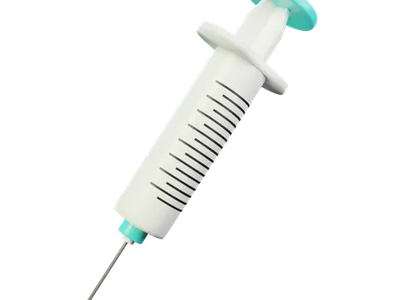
G Pancuronium 4 mg/2 ml
Pancuronium Bromide
Category: Injection
Manufacturer: Gonoshasthaya Pharmaceuticals Ltd.

Gonoshasthaya Pharmaceuticals Ltd.
Allopathic
MFG. Licence No. Biological
117
MFG. Licence No. Non-Biological
381
Address
Nayarhat, Savar, Dhaka

Medicine Selling service is not available yet.
Related Medicines
Uses of G Pancuronium:
- Skeletal mucle relaxation during surgery
Adjunct to GA for Endotracheal intubation and to provide skeletal muscle ralaxation.
Anuria. Relatively contraindicated in conditions of reduced airway control. Lactation.
Non depolarizing muscle relaxants
Pancuronium is a typical non-depolarising curare-mimetic muscle relaxant. It acts as a competitive acetylcholine antagonist on neuromuscular junctions, displacing acetylcholine (hence competitive) from its post-synaptic nicotinic acetylcholine receptors. It is, unlike suxamethonium, a non-depolarising agent, which means, that it causes no spontaneous depolarisations upon association with the nicotinic receptor in neuromuscular junction, thus producing no muscle fasciculations upon administration. Pancuronium has no hormonal activity. It exerts slight vagolytic activity (i.e. diminishing activity of the vagus nerve) and no ganglioplegic (i.e., blocking ganglions) activity.Nondepolarizing neuromuscular blocking agents inhibit neuromuscular transmission by competing with acetylcholine for the cholinergic receptors of the motor end plate, thereby reducing the response of the end plate to acetylcholine. This type of neuromuscular block is usually antagonized by anticholinesterase agents.
How to use
Pancuronium Bromide:
Your doctor or nurse will give you this medicine. Kindly do not self administer.
Adult Dose:
General Anesthesia Adjunct/Cesarean Section
Load: 0.04-0.1 mg/kg IV
Maintenance: 0.015-0.1 mg/kg IV q30-60min OR
Continuous infusion: 0.1 mg/kg/hr IV
Dose should be calculated based on ideal body weight
Monitoring of muscle twitch response to a peripheral nerve stimulator is advised
Endotracheal Intubation
Bolus dose 0.06-0.1 mg/kg
Usually effective with in 2-3 minutes
Child Dose:
Neonates (<28 Days Old)
Load: 0.02 mg/kg IV
Maintenance: 0.05-0.1 mg/kg IV q0.5-4hr PRN
>1 Month Old
Load: 0.04-0.1 mg/kg IV
Maintenance: 0.015-0.1 mg/kg IV q30-60min OR
Continual infusion: 0.1 mg/kg/hr IV
Neuroleptanalgaesia may decrease neuromuscular activity. Action may be prolonged and/or potentiated by aminoglycoside antibiotics, lithium, diazepam, lidocaine (high dose), quinidine, tetracyclines, propranolol, thiamine (high dose), parenteral magnesium sulphate, MAOIs, quinine, protamine, carbamazepine, donepezil and phenytoin (if pancuronium is given concurrently for <1 wk). Action may be decreased by neostigmine, edrophonium, high-dose or long term corticosteroids, adrenaline (may also potentiate effect), azathioprine, theophylline (high doses), clindamycin, nifedipine, piperacillin, polymixins, verapamil, procainamide. Furosemide may increase or decrease effects. TCAs may increase risk of arrhythmias and hypotension during anaesthesia.
Potentially Fatal: Potentiated by volatile anaesthetics (isoflurane and enflurane) and local anaesthetics. Prior admin of suxamethonium can increase the intensity of neuromuscular block. Concomitant use with digoxin may increase risk of serious cardiac arrhythmias.
Anuria. Relatively contraindicated in conditions of reduced airway control. Lactation.
Common
- Injection site reactions (pain, swelling, redness)
Tachycardia may occur due to vagal blockade and especially during light anaesthesia. May decrease intra-ocular pressure and induce miosis; excessive salivation; transient rashes and itching; wheezing; elevation in pulse rate, BP, cardiac output; erythema; burning sensation along vein; profound muscle weakness; bronchospasm; hypersensitivity reaction; acute quadriplegic myopathy syndrome, myositis ossificans.
Potentially Fatal: Rare anaphylactoid reactions; bradycardia, bronchospasm, hypotension and CV collapse; respiratory depression.
Category C: Either studies in animals have revealed adverse effects on the foetus (teratogenic or embryocidal or other) and there are no controlled studies in women or studies in women and animals are not available. Drugs should be given only if the potential benefit justifies the potential risk to the foetus.
Precaution:
Myasthenia gravis; severe electrolyte disorders; severe CV disease; pregnancy. Hepatic and renal function impairment. Hypothermia; jaundice; hypermagnesaemia, hypocalcaemia, hypokalaemia, hypoproteinaemia, acidosis, alkalosis, hypercalcemia. In obese patients, dose should be based on ideal body wt. Elderly; previous anaphylactic reactions to other neuromuscular-blocking agents. Burn patients (>30% of body) may be resistant to action for 5-70 days after injury. Demyelinating lesions, peripheral neuropathies, denervation, infection, muscle trauma, and DM may antagonise the neuromuscular blockade effects of drug. Neuromuscular diseases, acute intermittent porphyria, Eaton-Lambert syndrome. Maintain adequate airway and respiratory support during use.
Lactation: not known if excreted in breast milk; effect on nursing infant not known
Symptoms: Prolonged apnoea, resp depression and/or muscle weakness. Death may follow acute resp failure. Management: May administer neostigmine 2.5 mg and atropine 1.2 mg to reverse neuromuscular block while ventilation is continued. When admin of the anticholinesterase agent fails to reverse neuromuscular blockade, continue ventilation until spontaneous breathing is restored.
Non depolarizing muscle relaxants
Pancuronium bromide is a non-depolarising neuromuscular blocking agent with curarimimetic action through competitive blockade at the myoneural junction by binding with cholinergic receptor sites.
Category C: Either studies in animals have revealed adverse effects on the foetus (teratogenic or embryocidal or other) and there are no controlled studies in women or studies in women and animals are not available. Drugs should be given only if the potential benefit justifies the potential risk to the foetus.

Samm Care