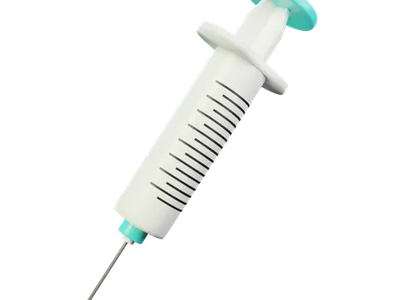
Fragmin 7500 IU 7500 IU
Generic: Dalteparin Sodium
Category: Injection
Manufacturer: Vetter Pharma


Medicine Selling service is not available yet.
Alternative Brands & Related Medicines
Indications
Uses of Fragmin 7500 IU:
- Acute coronary syndrome
- Deep vein thrombosis
- Pulmonary embolism
Unstable angina, Pulmonary embolism, Deep-vein thrombosis, Prophylaxis of clotting in extracorporeal circulation in haemodialysis or haemofiltration, Prophylaxis of venous thromboembolism during surgery
Hypersensitivity. Active major bleeding, severe coagulation disorders; lumbar puncture; sympathetic block; brain, spinal cord, eye or ear surgery; severe hypertension.
Therapeutic Class
Parenteral anti-coagulants
Pharmacology
Dalteparin Na is an antithrombotic agent, which acts mainly through its ability to potentiate the inhibition of factor Xa and thrombin by antithrombin. It has a relatively higher ability to potentiate factor Xa inhibition than to prolong aPTT.
Dosage and Administration
How to use
Dalteparin Sodium:
Your doctor or nurse will guide you how to use this medicine.
Adult Dose:
Subcutaneous
Venous thromboembolism
Adult: 200 U/kg daily as a single or in 2 divided doses in pregnant and high-risk patients. Max: 18,000 U/day.
Patients w/ symptomatic thromboembolism and cancer: 200 U/kg once daily for 30 days, followed by 150 U/kg once daily for up to 5 mth; if chemotherapy induced thrombocytopenia develops, reduce dose to 2,500 U while platelet counts are below 100,000 cells/mm3, temporarily stop treatment if platelet counts are below 50,000 cells/mm3.
Prophylaxis of venous thromboembolism during surgical procedures
Adult: Moderate risk patients: 2,500 U given 1-2 hr before the procedure followed by 2,500 U once daily for 5-7 days or until the patient is fully ambulant. High risk patients: 2,500 U given 1-2 hr before and 8-12 hr after the procedure followed by 5,000 U daily.
Alternatively, 5,000 U given in the evening before surgery followed by 5,000 U each subsequent evening for 5-10 days, or up to 5 wk after hip replacement surgery. Medical patients: 5,000 U once daily for 14 days or longer.
Unstable angina
Adult: 120 U/kg 12 hrly continued for 5-8 days w/ concomitant low-dose aspirin. Max: 10,000 U 12 hrly. For patients who require treatment longer than 8 days while awaiting revascularisation procedure: 5,000 U (7,500 U in men weighing ?70 kg and women weighing ?80 kg) 12 hrly for up to 45 days until the procedure is performed.
Intravenous
Prophylaxis of clotting in extracorporeal circulation in haemodialysis or haemofiltration
Adult: 30-40 U/kg IV inj, followed by an IV infusion of 10-15 U/kg/hr. A single dose of 5,000 U may be given for haemodialysis or haemofiltration session lasting <4 hr. For patients at high risk of bleeding or in acute renal failure: 5-10 U/kg IV inj followed by an infusion of 4-5 U/kg/hr.
Child Dose:
Safety & efficacy not established
Renal Dose:
Renal impairment: CrCl <30 mL/min: Dosage adjustment needed based on anti-Factor Xa activity.
Interaction
Increased risk of haemorrhage w/ other anticoagulant/antiplatelet agents (e.g. aspirin/dipyridamole, glycoprotein IIb/IIIa receptor antagonists, vit K antagonists, NSAIDs, cytostatics, dextran, thrombolytics, sulfinpyrazone, probenecid, etacrynic acid). Reduced anticoagulant effect w/ antihistamines, cardiac glycosides, tetracycline and ascorbic acid.
Contraindications
Hypersensitivity. Active major bleeding, severe coagulation disorders; lumbar puncture; sympathetic block; brain, spinal cord, eye or ear surgery; severe hypertension.
Side Effects
Common
- Injection site reaction
1-10%
Injection site hematoma (7-35%),Thrombocytopenia (10.9-13.6%, patients with cancer ),Injection site pain (4.5-12%),Major hemorrhage (up to 4.6%),Increased liver function test (up to 4.3%),Wound hematoma,Hematuria
Frequency Not Defined
Epidural hematoma,Spinal hematoma,Hemorrhagic cerebral infarction,Intracranial hemorrhage,Intrauterine subdural hemorrhage,Thrombocytopenia (<1%, non-cancer indications),Anaphylactoid reaction (rare)
Potentially Fatal: Severe haemorrhage.
Pregnancy And Lactation
Pregnancy Category B. Either animal-reproduction studies have not demonstrated a foetal risk but there are no controlled studies in pregnant women or animal-reproduction studies have shown an adverse effect (other than a decrease in fertility) that was not confirmed in controlled studies in women in the 1st trimester (and there is no evidence of a risk in later trimesters).
Precautions And Warnings
Precaution:
Preexisting thrombocytopenia, recent childbirth, DM, subacute bacterial endocarditis, pericarditis, recent lumbar puncture, vasculitis. Monitor coagulation time. Hepatic or renal dysfunction; high doses; osteoporosis; familial antithrombin III deficiency; elderly; children; platelet count and stool occult blood test recommended during treatment; GI ulceration. Pregnancy and lactation.
Lactation: Enters breast milk; use with caution
Overdose Effects
Symptoms: Haemorrhagic complications. Management: Administer protamine sulfate by slow IV inj at a dose of 1 mg for every 100 anti-Xa U of dalteparin Na given.
Storage Conditions
Store between 20-25°C.
Drug Classes
Parenteral anti-coagulants
Mode of Action
Dalteparin sodium is a low molecular weight heparin analogue which inhibits factor Xa more than factor IIa (thrombin).
Pregnancy Category
Pregnancy
Available data have not reported a clear association with dalteparin and adverse developmental outcomes
There are risks to the mother associated with untreated VTE in pregnancy, and a potential for adverse effects on the preterm infant when used in pregnancy
Clinical considerations
Published data describe that women with a previous history of VTE in pregnancy are at higher risk for recurrence during subsequent pregnancies compared to those with no risk factor for VTE
Cases of “gasping syndrome” have occurred in premature infants when large amounts of benzyl alcohol have been administered (99-404 mg/kg/day)
Multiple-dose 3.8 mL vials of dalteparin contain 14 mg/mL of benzyl alcohol
Lactation
Limited published data indicate that the drug is present in human milk in small amounts; no adverse effects on breastfed infant reported; there are no data on effects of drug on milk production; oral absorption of dalteparin is expected to be low, but clinical implications, if any, of this small amount of anticoagulant activity on a breastfed infant are unknown; developmental and health benefits of breastfeeding should be considered along with mother’s clinical need for therapy and any potential adverse effects on breastfed child from the drug or from underlying maternal condition

Samm Care