
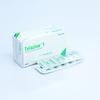
Flurazine 1 1 mg
Generic: Trifluoperazine
Category: Tablet
Manufacturer: Incepta Pharmaceuticals Ltd.

Allopathic
MFG. Licence No. Biological
193
MFG. Licence No. Non-Biological
108
Address
Zirabo, Savar, Dhaka Dewan Idris Road, Bara Rangamatia
Price: 1.5 ৳
30 in Blister Pack

Medicine Selling service is not available yet.
Alternative Brands & Related Medicines


Indications
Uses of Flurazine 1:
- Anxiety disorder
- Schizophrenia
Anxiety, Psychoses, Nausea and vomiting, Schizophrenia
Preexisting CNS depression and coma; bone marrow depression, blood dyscrasias, liver disease, hypersensitivity to phenothiazines, prolactin dependent tumours. Pregnancy (1st trimester), lactation.
Therapeutic Class
Phenothiazine drugs
Pharmacology
Trifluoperazine is one of the phenothiazine class of compounds and as such has many pharmacodynamic effects which relate to its therapeutic actions and side effects. The most notable action of phenothiazines is antagonism at dopamine receptors in the CNS. It is hypothesised that this action in the limbic system and associated areas of cerebral cortex is the basis of the antipsychotic action of phenothiazines, whilst in the medullary chemoreceptor trigger zone it appears to be responsible for the antiemetic effect of these agents.
Dosage and Administration
How to use
Trifluoperazine:
Take this medicine in the dose and duration as advised by your doctor. Swallow it as a whole. Do not chew, crush or break it.
Trifluoperazine is to be taken with food.
Administration:
Should be taken with food.
Adult Dose:
Oral
Psychoses, Schizophrenia
Adult:
Outpatient
1-2 mg PO q12hr
Inpatient
Initial: 2-5 mg PO q12hr
Maintenance Dose: 15-20 mg/day
Not to exceed 40mg/day
Short-term management of anxiety
Adult: 1-2 mg bid. Max: 6 mg daily. Max duration: 12 wk.
Elderly: Initiate at lower dose and increase gradually.
Child Dose:
Schizophrenia/Psychosis
Inpatient
<6 years: Safety and efficacy not established
6-12 years old: 1 mg PO qDay or q12hr; not to exceed 15 mg/day
12 years old: 2-5 mg PO q12hr
Interaction
Increased CNS depression with CNS depressants such as opiates or other analgesics, barbiturates or other sedatives, general anaesthetics, or alcohol. Increased risk of side effects with drugs with antimuscarinic properties e.g. TCA, antiparkinsonian drugs. Antagonised effects of dopaminergic drugs such as levodopa. Increased risk of hypotension with antihypertensives, trazodone. Reverses antihypertensive effect of guanethidine. Increased risk of severe extrapyramidal side-effects or severe neurotoxicity with lithium. Possible decrease in absorption with antacids.
Contraindications
Preexisting CNS depression and coma; bone marrow depression, blood dyscrasias, liver disease, hypersensitivity to phenothiazines, prolactin dependent tumours. Pregnancy (1st trimester), lactation.
Side Effects
Common
- Orthostatic hypotension (sudden lowering of blood pressure on standing)
- Sleepiness
- Dryness in mouth
- Abnormality of voluntary movements
- Weight gain
- Increased prolactin level in blood
- Urinary retention
- Constipation
- Muscle stiffness
- Tremor
EPS (60%; muscle stiffness, dystonia, parkinsonism, tardive dyskinesia, akathisia), Drowsiness, dry mouth, blurred vision, dizziness, sedation, antimuscarinic affects, postural hypotension, akathisia, muscle weakness, anorexia, insomnia, rash, amenorrhoea, fatigue, increased prolactin levels.
Potentially Fatal: Neuroleptic malignant syndrome, blood dyscrasias.
Pregnancy And Lactation
Pregnancy: Safety for the use of trifluoperazine during pregnancy has not been established. Therefore, it is not recommended that the drug be given to pregnant patients except when, in the judgement of the physician, it is essential. The potential benefits should clearly outweigh possible hazards. There are reported instances of prolonged jaundices, extrapyramidal signs, hyperreflexia or hypoflexia in newborn infants whose mother received phenothiazines. Lactation: Adequate human data are not available in case of lactation.
Precautions And Warnings
Precaution:
Cardiovascular disease, epilepsy, angle-closure glaucoma, exposure to extreme temperatures, elderly, parkinson's disease, myasthenia gravis, benign prostatic hyperplasia, DM, renal amd hepatic impairment. Discontinue trifluoperazine at least 48 hr before myelography and do not resume for at least 24 hr after procedure. Do not use trifluoperazine in control of nausea and vomiting occurring either prior to myelography or postprocedure with metrizamide. Pregnancy.
Overdose Effects
Signs and symptoms will be predominantly extrapyramidal; hypotension may occur. Treatment consists of gastric lavage together with supportive and symptomatic measures. Do not induce vomiting. Extra pyramidal symptoms may be treated with an anticholinergic, antiparkinsonism drug. Treat hypotension with fluid replacement; if severe or persistent. nor adrenaline may be considered. Adrenaline is contraindicated.
Storage Conditions
It should be store at room temperature between 15-30° C away from light and moisture.
Drug Classes
Phenothiazine drugs
Mode of Action
Trifluoperazine inhibits dopamine D2 receptors in the brain. It has weak anticholinergic and sedative effects but strong extrapyramidal and antiemetic effects. It controls severely disturbed, agitated or violent behaviour but may also be used for nonpsychotic anxiety.
Pregnancy Category
Pregnancy: Safety for the use of trifluoperazine during pregnancy has not been established. Therefore, it is not recommended that the drug be given to pregnant patients except when, in the judgement of the physician, it is essential. The potential benefits should clearly outweigh possible hazards. There are reported instances of prolonged jaundices, extrapyramidal signs, hyperreflexia or hypoflexia in newborn infants whose mother received phenothiazines. Lactation: Adequate human data are not available in case of lactation.

Samm Care