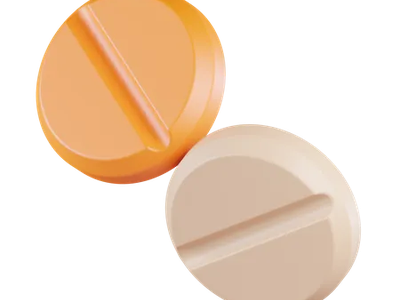
Flamfix 500 500 mg
Nabumetone
Category: Tablet
Manufacturer: Square Pharmaceuticals PLC, Pabna

Square Pharmaceuticals PLC, Pabna
Allopathic
MFG. Licence No. Biological
033
MFG. Licence No. Non-Biological
114
Address
Salgaria, Pabna Salgaria, Pabna
Price: 15.0 ৳
10 in Blister Pack

Medicine Selling service is not available yet.
Related Medicines
Uses of Flamfix 500:
- Pain relief
Pain and inflammation associated with musculoskeletal and joint disorders, Osteoarthritis, Rheumatoid Arthritis
Absolute: Aspirin allergy, severe renal impairment; perioperative pain in setting of coronary artery bypass graft (CABG) surgery
Relative: Duodenal/gastric/peptic ulcer, stomatitis, systemic lupus erythematosus, ulcerative colitis, late pregnancy (may cause premature closure of ductus arteriosus)
Drugs for Osteoarthritis, Drugs used for Rheumatoid Arthritis
Nabumetone is a naphthylalkanone. Is is a non-selective prostaglandin G/H synthase (a.k.a. cyclooxygenase or COX) inhibitor that acts on both prostaglandin G/H synthase 1 and 2 (COX-1 and -2). Prostaglandin G/H synthase catalyzes the conversion of arachidonic acid to prostaglandin G2 and prostaglandin G2 to prostaglandin H2. Prostaglandin H2 is the precursor to a number of prostaglandins involved in fever, pain, swelling, inflammation, and platelet aggregation. The parent compound is a prodrug that undergoes hepatic biotransformation to the active compound, 6-methoxy-2-naphthylacetic acid (6MNA). The analgesic, antipyretic and anti-inflammatory effects of NSAIDs occur as a result of decreased prostaglandin synthesis.The parent compound is a prodrug, which undergoes hepatic biotransformation to the active component, 6-methoxy-2-naphthylacetic acid (6MNA), that is a potent inhibitor of prostaglandin synthesis, most likely through binding to the COX-2 and COX-1 receptors.
How to use Nabumetone:
Take this medicine in the dose and duration as advised by your doctor. Swallow it as a whole. Do not chew, crush or break it. Nabumetone is to be taken with food.
Administration:
Should taken with food.
Adult Dose:
Oral
Adult
Osteoarthritis
1g PO once daily initially; maintenance: 1-2 g/day PO in single daily dose or divided q12hr; not to exceed 2 g/day
Rheumatoid Arthritis
1 g PO once daily initially; maintenance: 1-2 g/day PO in single daily dose or divided q12hr; not to exceed 2 g/day
Elderly: 500 mg daily may be adequate in certain patients. Max: 1 g daily.
Child Dose:
Not recommended
Renal Dose:
Renal impairment:
CrCl (ml/min) Dosage Recommendation
30-49 Max initial dose: 750 mg once daily. Increase if needed to a max dose of 1.5 g daily.
<30 Max initial dose: 500 mg once daily. Increase if needed to a max dose of 1 g daily.
Antihypertensive effects of hypotensive agents may be reduced. May increase ciclosporin levels. Increased risk of seizures with fluoroquinolones. May reduce efficacy of diuretics. May diminish the cardioprotective effect of acetylated salicylates. Alcohol may enhance gastric mucosal irritation.
Potentially Fatal: Increased risk of bleeding with anticoagulants (e.g. warfarin, heparin, LMWHs) and antiplatelet agents (e.g. ticlopidine, clopidogrel, aspirin, abciximab, dipyridamole, eptifibatide, tirofiban).
Increased risk of GI ulceration with corticosteroids. Severe bone marrow suppression, aplastic anaemia and GI toxicity may occur with methotrexate.
Absolute: Aspirin allergy, severe renal impairment; perioperative pain in setting of coronary artery bypass graft (CABG) surgery
Relative: Duodenal/gastric/peptic ulcer, stomatitis, systemic lupus erythematosus, ulcerative colitis, late pregnancy (may cause premature closure of ductus arteriosus)
Common
- Vomiting
- Stomach pain/epigastric pain
- Nausea
- Indigestion
- Loss of appetite
- Diarrhea
- Heartburn
>10%
Diarrhea (14%),Dyspepsia (13%),Abdominal pain (12%)
1-10%
Constipation (3-9%),Dizziness (3-9%),Edema (3-9%),Flatulence (3-9%),Headache (3-9%),Nausea (3-9%),Positive stool guaiac (3-9%),Pruritus (3-9%),Rash (3-9%),Tinnitus (3-9%),Dry mouth (1-3%),Fatigue (1-3%),Gastritis (1-3%),Increased sweating (1-3%),Insomnia (1-3%),Nervousness (1-3%),Somnolence (1-3%),Stomatitis (1-3%),Vomiting (1-3%)
Pregnancy Category C. Reproductive studies conducted in rats and rabbits have not demonstrated evidence of developmental abnormalities. However, animal reproduction studies are not always predictive of human response. There are no adequate, well-controlled studies in pregnant women. Nabumetone should be used in pregnancy only if the potential benefit justifies the potential risk to the fetus.Nursing Mothers: It is not known whether this drug is excreted in human milk, however 6MNA is excreted in the milk of lactating rats. Because many drugs are excreted in human milk and because of the potential for serious adverse reactions in nursing infants from Nabumetone, a decision should be made whether to discontinue nursing or to discontinue the drug, taking into account the importance of the drug to the mother. Labor and Delivery: In rat studies with NSAIDs, as with other drugs known to inhibit prostaglandin synthesis, an increased incidence of dystocia, delayed parturition, and decreased pup survival occurred. The effects of Nabumetone on labor and delivery in pregnant women are unknown.
Precaution:
Pre-existing CV risk factors or disease; fluid retention, CHF, hypertension. History of GI disease (bleeding or ulcers). Elderly or debilitated patients. Other forms of asthma. Hepatic impairment; closely monitor patients with any abnormal LFT. Renal impairment; rehydrate patient prior to therapy and closely monitor renal function. Withhold for at least 4-6 half-lives prior to surgical or dental procedures.
Symptoms following acute NSAIDs overdoses are usually limited to lethargy, drowsiness, nausea, and vomiting. and epigastric pain, which is generally reversible with supportive care. Gastrointestinal bleeding can occur. Hypertension, acute renal failure, respiratory depression, and coma may occur but are rare. Anaphylactoid reactions have been reported with therapeutic ingestion of NSAIDs and may occur following an overdose. Patients should be managed by symptomatic and supportive care following a NSAID overdose. There are no specific antidotes. Emesis and/or activated charcoal (60 to 100 grams in adults, 1 to 2 g/kg in children). and/or osmotic cathartic may be indicated in patients seen within 4 hours of ingestion with symptoms or following a large overdose (5 to 10 times the usual dose) Forced diuresis, alkalinization of urine, hemodialysis, or hemoperfusion may not be useful due to high protein binding. There have been overdoses of up to 25 grams of Nabumetone reported with no long-term sequelae following standard emergency treatment (ie. activated charcoal gastric lavage, IV H2-blockers, etc).
Store in a cool and dry place, away from light & moisture. Keep all medicines out of reach of children.
Drugs for Osteoarthritis, Drugs used for Rheumatoid Arthritis
Inhibits synthesis of prostaglandins in body tissues by inhibiting at least 2 cyclooxygenase (COX) isoenzymes, COX-1 and COX-2
May inhibit chemotaxis, alter lymphocyte activity, decrease proinflammatory cytokine activity, and inhibit neutrophil aggregation; these effects may contribute to anti-inflammatory activity
Pregnancy category: C; D if used for prolonged periods or near term (premature closure of ductus arteriosus)

Samm Care