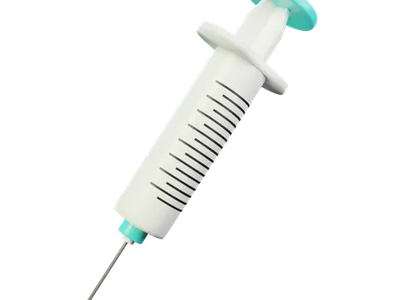
Eptase 15 Lac IU
Generic: Streptokinase
Category: Injection
Manufacturer: Beacon Pharmaceuticals Ltd.
Unclassified — prescription required · Upload a prescription at checkout. Pharmacist approval is required before preparation.
Currently unavailable to order.


Alternative Brands & Related Medicines
Indications
Uses of Eptase:
- Heart attack
- Pulmonary embolism
Acute Evolving Myocardial Infarction, Acute Massive Pulmonary Embolism, Deep Vein Thrombosis, Arterial Thrombosis or Embolism, Arteriovenous Cannulae Occlusion.
Severe hypertension, recent stroke, cerebral neoplasm, recent history of peptic ulcer disease, ulcerative colitis, pancreatitis, subacute bacterial endocarditis, coagulation defects also due to liver or kidney disease, recent surgery, childbirth. Hypersensitivity, increased risk of cerebral bleeding, trauma. Pregnancy. Active internal bleeding, bleeding GI lesions. Arteriovenous malformation or aneurysm; recent (within 10 days) facial or head trauma, intracranial or intraspinal surgery, More than 5 days and less than 12 months since previous Streptokinase therapy.
Therapeutic Class
Fibrinolytics (Thrombolytics)
Pharmacology
Streptokinase forms a complex with plasminogen which then converts plasminogen to plasmin. Plasmin breaks down clots as well as fibrinogen and other plasma proteins.
Dosage and Administration
How to use
Streptokinase:
Your doctor or nurse will give you this medicine. Kindly do not self administer.
Adult Dose:
Intravenous
Acute myocardial infarction
Adult: 1.5 million units as a single dose infused over 1 hr immediately after onset of symptoms.
Pulmonary thromboembolism ; Arteriovenous occlusions
Adult: Loading dose: 250,000 units infused over 30 min. Maintenance: 100,000 units/hr for 24-72 hr depending on the condition to be treated. For cerebral retinal thrombosis, 12 hr may be sufficient. Monitor treatment by maintaining thrombin clotting time at 2-4 times normal values.
Child Dose:
Intravenous
Pulmonary thromboembolism ; Arteriovenous occlusions
Child: Loading dose: 2500-4000 units/kg over 30 min, followed by infusion of 500-1000 units/kg/hr, continued until reperfusion occurs, up to 3 days. Initial dose may be estimated by streptokinase resistance test. Monitor treatment by maintaining thrombin clotting time at 2-4 times normal values.
Interaction
Antagonistic effects with antifibrinolytic agents e.g. aminocaproic acid.
Potentially Fatal: Anticoagulants, heparin, antiplatelet agents e.g. aspirin and dipyridamole affect platelet function increasing the risk of haemorrhage.
Contraindications
Severe hypertension, recent stroke, cerebral neoplasm, recent history of peptic ulcer disease, ulcerative colitis, pancreatitis, subacute bacterial endocarditis, coagulation defects also due to liver or kidney disease, recent surgery, childbirth. Hypersensitivity, increased risk of cerebral bleeding, trauma. Pregnancy. Active internal bleeding, bleeding GI lesions. Arteriovenous malformation or aneurysm; recent (within 10 days) facial or head trauma, intracranial or intraspinal surgery, More than 5 days and less than 12 months since previous Streptokinase therapy.
Side Effects
Common
- Allergic reaction
- Nausea
- Vomiting
- Injection site bleeding
Fever, chills, back pain, abdominal pain, nausea, vomiting, arrhythmia, bruising, rash, pruritus, acute renal failure due to embolism and haemorrhage. Cerebral, peripheral and pulmonary embolism. Allergic reactions, liver enzyme abnormalities, hypotension.
Potentially Fatal: Haemorrhage; anaphylactic shock.
Pregnancy And Lactation
Pregnancy category C. It is not known whether Streptokinase is excreted in the breast milk, nor whether it has harmful effects on the newborn. In the absence of further information, it is recommended that breast-feeding be discontinued in women who are to receive Streptokinase.
Precautions And Warnings
Precaution:
Mitral stenosis associated with AF. Streptokinase treatment within last 12 mth, use after prolonged or traumatic CPR; diabetic retinopathy. Elderly.
Overdose Effects
If uncontrollable bleeding occurs as a result of overdosage, Streptokinase infusion should be ceased immediately. Bleeding can be reversed and blood loss managed effectively with appropriate replacement therapy. Administration of aminocaproic acid or aprotinin may be useful.
Storage Conditions
Streptokinase vial should be stored at 2 to 25° C. Once reconstituted with physiological saline, the physico-chemical stability has been demonstrated for 24 hours at 2 to 8° C. From a microbiological point of view and as Streptokinase 1500000 contains no preservative, the reconstituted product should be used immediately. If it is not administered immediately, storage shall not exceed 24 hours at 2 to 8° C. Keep out of the reach of children.
Drug Classes
Fibrinolytics (Thrombolytics)
Mode of Action
Streptokinase forms a complex with plasminogen which then converts plasminogen to plasmin. Plasmin breaks down clots as well as fibrinogen and other plasma proteins.
Pregnancy Category
Pregnancy category C. It is not known whether Streptokinase is excreted in the breast milk, nor whether it has harmful effects on the newborn. In the absence of further information, it is recommended that breast-feeding be discontinued in women who are to receive Streptokinase.

Samm Care