
Dirolin 2 mg
Loperamide
Category: Capsule
Manufacturer: Nipa Pharmaceuticals Ltd.

Allopathic
MFG. Licence No. Biological
094
MFG. Licence No. Non-Biological
338
Address
I/5, Rupnagar, Mirpur, Dhaka.

Medicine Selling service is not available yet.
Related Medicines

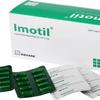
Uses of Dirolin:
- Diarrhea
Diarrhea
Conditions when inhibition of peristalsis is undesirable (e.g. ileus or megacolon); antibiotic induced colitis; active inflammatory bowel disease; if abdominal distention develops during use; abdominal pain in the absence of diarrhoea.
Anti-diarrhoeal, Anti-motility drugs
Loperamide inhibits the peristaltic activity of longitudinal and circular smooth muscle in the intestine by interacting with cholinergic and noncholinergic neuronal mechanisms responsible for producing the peristaltic reflex. Loperamide binds to the opiate receptor in the gut wall, reducing propulsive peristalsis, and increase intestinal transit time.Loperamide is orally administered capsule. After administration absorption is more than 65% which occurs at a modest rate, with peak serum levels of 2-3 µgm/litre occurring at about 4 hours later after oral administration. The rest 35% is excreted unchanged in the faeces. Loperamide undergoes an extensive presystemic first pass metabolism in the gut wall and in the liver. Loperamide does not act centrally due to its high affinity for the gut wall and its presystemic metabolism. This is why it reaches the systemic circulation in very minute amount. The route of elimination is 0.63-1.4% in urine as unchanged drug, 58% is excreted in the bile and 15-23% appears in the faeces.
How to use
Loperamide:
Take this medicine in the dose and duration as advised by your doctor. Swallow it as a whole. Do not chew, crush or break it.
Loperamide may be taken with or without food, but it is better to take it at a fixed time.
Administration:
May be taken with or without food.
Adult Dose:
Acute Diarrhea
4 mg initially, then 2 mg after each loose stool; not to exceed 16 mg/day (8 mg/day for self-medication); discontinue if no improvement seen within 48 hours
Chronic Diarrhea
4 mg initially, then 2 mg after each loose stool until controlled, and then 4-8 mg/day in divided doses
Traveler's Diarrhea
4 mg after first loose stool, then 2 mg after each subsequent stool; not to exceed 8 mg/day
Child Dose:
Acute Diarrhea
First Day of Treatment
2-6 years (13-20 kg): 1 mg q8hr PO
6-8 years: (20-30 kg): 2 mg q12hr PO
8-12 years (>30 kg): 2 mg q8hr PO
Second & Subsequent Doses
0.1 mg/kg PO after each loose stool; not to exceed dose recommended for first 24 hours
Chronic Diarrhea
0.08-0.24 mg/kg/day PO divided q12hr
Traveler's Diarrhea
<6 years: Safety and efficacy not established
6-8 years: 2 mg after first loose stool, then 1 mg after each subsequent stool; not to exceed 4 mg/day
8-12 years: 2 mg after first loose stool, then 1 mg after each subsequent stool; not to exceed 6 mg/day
>12 years: 4 mg after first loose stool, then 2 mg after each subsequent stool; not to exceed 8 mg/day
Bioavailability increased by co-trimoxazole, ritonavir, saquinavir. Respiratory depression reported when administered with quinidine. Loperamide increases GI absorption of desmopressin and decreases exposure to saquinavir.
Conditions when inhibition of peristalsis is undesirable (e.g. ileus or megacolon); antibiotic induced colitis; active inflammatory bowel disease; if abdominal distention develops during use; abdominal pain in the absence of diarrhoea.
Common
- Constipation
- Nausea
- Headache
- Stomach pain
Abdominal pain, distention, and discomfort; paralytic ileus; constipation, dry mouth, drowsiness, dizziness, fatigue, rash.
Potentially Fatal: Toxic megacolon.
Safety of use of Loperamide during pregnancy has not been established, although studies in animal did not demonstrate any teratogenic effects. Therefore, it should not be administered to the patients during pregnancy. Although the fraction of loperamide secreted in the human milk is very low, caution is advised if it is to be administered to nursing mothers.
Precaution:
Concomitant specific therapy must be given in those with infectious diarrhoea; hepatic dysfunction; infants; pregnancy, lactation.
Lactation: Not known if distributed in breast milk; use caution
Symptoms: CNS depression; constipation, urinary retention and ileus may occur. Management: Employ gastric lavage followed by admin of activated charcoal. Naloxone HCl may be given as antidote.
Store between 20-25°C.
Loperamide inhibits peristalsis and prolongs transit time by acting directly on intestinal wall muscles. It also reduces faecal volume, increases viscosity and decreases fluid and electrolyte loss.. Slows intestinal motility through opioid receptor; has direct effects on circular and longitudinal muscle;.

Samm Care