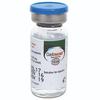
Diascan 287 mg
Gadodiamide
Category: Injection
Manufacturer: Techno Drugs Ltd., Gazipur

Allopathic
MFG. Licence No. Biological
274
MFG. Licence No. Non-Biological
482
Address
B. K. Bari, Mirzapur, Gazipur
Price: 950.0 ৳
10 ml Vial

Medicine Selling service is not available yet.
Related Medicines

Indicated for intravenous use in MRI to visualize lesions with abnormal vascularity (or those thought to cause abnormalities in the blood-brain barrier) in the brain (intracranial lesions), spine, and associated tissues
Chronic, severe kidney disease (glomerular filtration rate, GFR < 30 mL/min/1.73m²), or acute kidney injury prior hypersensitivity reaction
Contrast medium for diagnostic procedures
The paramagnetic properties of Gadodiamide provides contrast enhancement during MRI. There were no clinically significant deviations from pre-injection values in haemodynamic and blood and urine laboratory parameters following intravenous injection of gadodiamide in healthy volunteers. However, a minor transient change in serum iron levels 8 to 48 hours after gadodiamide injection was observed.Gadodiamide does not cross the intact blood-brain barrier. Administration of Gadodiamide causes signal enhancement from areas where blood-brain barrier dysfunction has been induced by pathological processes, and may provide greater diagnostic yield than unenhanced MRI. Lack of enhancement need not indicate absence of pathology since some types of low grade malignancies or inactive MS-plaques fail to enhance; it can be used for differential diagnosis between different pathologies.
Adult Dose:
Adults: The recommended dose is 0.2 mL/kg (0.1 mmol/kg) administered as a bolus intravenous injection.
Child Dose:
Pediatric Patients (2-16 years): The recommended dose is 0.2 mL/kg (0.1 mmol/kg) administered as a bolus intravenous injection.
There are no known drug interactions and none well documented.
Chronic, severe kidney disease (glomerular filtration rate, GFR < 30 mL/min/1.73m²), or acute kidney injury prior hypersensitivity reaction
Nephrogenic systemic fibrosis, Hypersensitivity reactions
Pregnancy category B3. No effects of Gadodiamide on reproductive performance were seen in rats at doses up to 1.0 mmol/kg. In rabbits, there is an increased incidence of litters with skeletal or visceral abnormalities at doses up to 0.5 and 1.0 mmol/kg. However, these effects are possibly attributable to maternal toxicity rather than a direct effect of the drug. There are no adequate and well-controlled studies of Gadodiamide in pregnant women. Gadodiamide should be used in pregnancy only if the potential benefit justifies the potential risk to the foetus.Use in Lactation: It is not known whether Gadodiamide is excreted in human milk. Breast-feeding should be discontinued prior to administration and should not be recommenced until at least 24 hours after the administration of Gadodiamide.
Precaution:
Gadolinium-based contrast agents (GBCAs) increase the risk for nephrogenic systemic fibrosis (NSF) among patients with impaired elimination of the drugs. Avoid use of GBCAs among these patients unless the diagnostic information is essential and not available with non-contrast enhanced MRI or other modalities.
The GBCA-associated NSF risk appears highest for patients with chronic, severe kidney disease (GFR < 30 mL/min/1.73m²) as well as patients with acute kidney injury.
Screen patients for acute kidney injury and other conditions that may reduce renal function.
Clinical consequences of overdose have not been reported and acute symptoms of toxicity are unlikely in patients with a normal renal function. Treatment is symptomatic. There is no antidote for this contrast medium. In patients with delayed elimination due to renal insufficiency and in patients who have received excessive doses, the contrast medium can be eliminated by haemodialysis.
Store at temperatures not exceeding 25° C. Protect from light.
Contrast medium for diagnostic procedures
The paramagnetic properties of Gadodiamide provides contrast enhancement during MRI. There were no clinically significant deviations from pre-injection values in haemodynamic and blood and urine laboratory parameters following intravenous injection of gadodiamide in healthy volunteers. However, a minor transient change in serum iron levels 8 to 48 hours after gadodiamide injection was observed.Gadodiamide does not cross the intact blood-brain barrier. Administration of Gadodiamide causes signal enhancement from areas where blood-brain barrier dysfunction has been induced by pathological processes, and may provide greater diagnostic yield than unenhanced MRI. Lack of enhancement need not indicate absence of pathology since some types of low grade malignancies or inactive MS-plaques fail to enhance; it can be used for differential diagnosis between different pathologies.
Pregnancy category B3. No effects of Gadodiamide on reproductive performance were seen in rats at doses up to 1.0 mmol/kg. In rabbits, there is an increased incidence of litters with skeletal or visceral abnormalities at doses up to 0.5 and 1.0 mmol/kg. However, these effects are possibly attributable to maternal toxicity rather than a direct effect of the drug. There are no adequate and well-controlled studies of Gadodiamide in pregnant women. Gadodiamide should be used in pregnancy only if the potential benefit justifies the potential risk to the foetus.Use in Lactation: It is not known whether Gadodiamide is excreted in human milk. Breast-feeding should be discontinued prior to administration and should not be recommenced until at least 24 hours after the administration of Gadodiamide.

Samm Care