
Dasanix 50 mg
Generic: Dasatinib
Category: Tablet
Manufacturer: Beacon Pharmaceuticals Ltd.

Price: 12000.0 ৳
60's pack

Medicine Selling service is not available yet.
Alternative Brands & Related Medicines

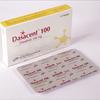
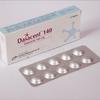

Indications
Uses of Dasanix:
- Blood cancer (Chronic myeloid leukaemia)
Chronic myeloid leukaemia
Concomitant use w/ CYP3A4 inhibitors (e.g. atazanavir, clarithromycin, erythromycin, indinavir, itraconazole, ketoconazole, nefazodone, nelfinavir, ritonavir, saquinavir, telithromycin, voriconazole or grapefruit juice); CYP3A4 inducers (e.g. carbamazepine, dexamethasone, phenytoin, phenobarbital, rifampicin or St John's wort); antacid. Pregnancy.
Therapeutic Class
Targeted Cancer Therapy
Pharmacology
Dasatinib, at nanomolar concentrations, inhibits the following kinases: BCR-ABL, SRC family (SRC, LCK, YES, FYN), c-KIT, EPHA2, and PDGFRβ. Based on modeling studies, dasatinib is predicted to bind to multiple conformations of the ABL kinase. In vitro, dasatinib was active in leukemic cell lines representing variants of imatinib mesylate sensitive and resistant disease. Dasatinib inhibited the growth of chronic myeloid leukemia (CML) and acute lymphoblastic leukemia (ALL) cell lines overexpressing BCR-ABL. Under the conditions of the assays, dasatinib was able to overcome imatinib resistance resulting from BCR-ABL kinase domain mutations, activation of alternate signaling pathways involving the SRC family kinases (LYN, HCK), and multi-drug resistance gene overexpression.
Dosage and Administration
How to use
Dasatinib:
Take this medicine in the dose and duration as advised by your doctor. Swallow it as a whole. Do not chew, crush or break it.
Dasatinib may be taken with or without food, but it is better to take it at a fixed time.
Administration:
May be taken with or without food. Swallow whole, do not break/crush/cut.
Adult Dose:
Oral
Chronic myeloid leukaemia
Adult: Chronic phase CML: Initially, 100 mg once daily, may increase up to 140 mg once daily. Accelerated, myeloid or lymphoid blast phase CML or Philadelphia chromosome-positive ALL: Initially, 140 mg once daily, may increase up to 180 mg once daily.
Hepatic impairment: No dosage adjustment needed.
Interaction
Concomitant use w/ drugs that have narrow therapeutic index (e.g. alfentanil, cisapride, ciclosporin, fentanyl, pimozide, quinidine, simvastatin, sirolimus, tacrolimus, ergot alkaloids) as it may increase the serum levels of these drugs. Increased risk of bleeding and thrombocytopenia w/ antiplatelet drugs, anticoagulants, and NSAIDs.
Potentially Fatal: May reduce plasma levels w/ antacids, administer antacid 2 hr apart from the admin of dasatinib. May increase plasma levels w/ CYP3A4 inhibitors (e.g. atazanavir, clarithromycin, erythromycin, indinavir, itraconazole, ketoconazole, nefazodone, nelfinavir, ritonavir, saquinavir, telithromycin or voriconazole). May reduce plasma levels w/ CYP3A4 inducers (e.g. carbamazepine, dexamethasone, phenytoin, phenobarbital or rifampicin).
Contraindications
Concomitant use w/ CYP3A4 inhibitors (e.g. atazanavir, clarithromycin, erythromycin, indinavir, itraconazole, ketoconazole, nefazodone, nelfinavir, ritonavir, saquinavir, telithromycin, voriconazole or grapefruit juice); CYP3A4 inducers (e.g. carbamazepine, dexamethasone, phenytoin, phenobarbital, rifampicin or St John's wort); antacid. Pregnancy.
Side Effects
Common
- Abdominal pain
- Anemia (low number of red blood cells)
- Breathing problems
- Fatigue
- Fever
- Headache
- Infection
- Low blood platelets
- Musculoskeletal (bone, muscle or joint) pain
- Nausea
- Rash
- Vomiting
>10%
Fluid retention, incl CHF, pulm edema, pleural effusion (50%),Diarrhea (49%),Headache (40%),Hemorrhage (40%),Fatigue (39%),Pyrexia (39%),Skin rash (35%),Infection (34%),Nausea (34%),Dyspnea (32%),Cough (28%),Pain (26%),Abdominal pain (25%),Vomiting (22%),Anorexia (19%),Arthralgia (19%),Asthenia (19%),Constipation (14%),Dizziness (14%),Musculoskeletal pain (14%),Weight loss (14%),Chest pain (13%),Neuropathy (13%),Myalgia (12%),Abdominal distention (11%),Arrhythmia (11%),Chills (11%),Pneumonia (11%),Pruritus (11%),Weight gain (11%)
1-10% (selected)
Anemia,Febrile neutropenia,Thrombocytopenia,Mucosal inflammation
Vascular disorders: Thrombosis/embolism (including pulmonary embolism, deep vein thrombosis)
Respiratory, thoracic, and mediastinal disorders: Interstitial lung disease, pulmonary arterial hypertension
Dermatologic reactions: Stevens-Johnson syndrome, erythema multiforme
Pregnancy And Lactation
Pregnancy category D. There is positive evidence of human foetal risk, but the benefits from use in pregnant women may be acceptable despite the risk (e.g., if the drug is needed in a life-threatening situation or for a serious disease for which safer drugs cannot be used or are ineffective).
Precautions And Warnings
Precaution:
Patients w/ predisposing factors for QT prolongation (e.g. congenital long QT syndrome, hypokalaemia, hypomagnesaemia, on antiarrhythmic therapy, or receiving cumulative high doses of anthracyclines). Hepatic impairment. Lactation. Monitoring Parameters Evaluate patients for manifestations of underlying cardiopulmonary disease prior to and during therapy. Measure full blood counts wkly for the 1st 2 mth and then mthly thereafter.
Lactation: not known if excreted in breast milk; do not nurse
Overdose Effects
Symptoms: Significant platelet count reduction. Management: Closely monitor for myelosuppression. Supportive and symptomatic treatment.
Storage Conditions
Dasatinib tablets should be stored at 20°C to 25°C
Drug Classes
Targeted Cancer Therapy
Mode of Action
Dasatinib is an inhibitor of multiple tyrosine kinases. It is used for the treatment of all phases of chronic myeloid leukaemia (CML) and Philadelphia chromosome-positive acute lymphoblastic leukaemia (ALL) in adults who have resistance or intolerance to previous therapy, including imatinib.
Pregnancy Category
Pregnancy
Based on limited human data, dasatinib can cause fetal harm when administered to a pregnant woman; adverse pharmacologic effects (eg, hydrops fetalis, fetal leukopenia, and fetal thrombocytopenia) have been reported with maternal exposure to dasatinib
Animal reproduction studies in rats have demonstrated extensive mortality during organogenesis, the fetal period, and in neonates; skeletal malformations were observed in a limited number of surviving rat and rabbit conceptuses; these findings occurred at dasatinib plasma concentrations below those in humans receiving therapeutic doses of dasatinib
Advise a pregnant woman of the potential risk to a fetus
Transplacental transfer of dasatinib has been reported
Advise females of reproductive potential to avoid pregnancy, which may include the use of effective contraceptive methods, during treatment with dasatinib and for 30 days after the final dose
Based on animal data, dasatinib may result in damage to female and male reproductive tissues
Lactation
No data are available regarding the presence of dasatinib in human milk, the effects of the drug on the breastfed child, or the effects of the drug on milk production
However, dasatinib is present in the milk of lactating rats

Samm Care