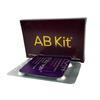
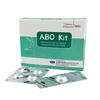
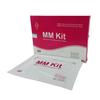
Uses of Cytomis Kit:
- Medical abortion
Termination of pregnancy upto 9th week(63 days) of gestation, Early menstrual regulation.
Confirmed or suspected ectopic pregnancy, chronic adrenal failure, concurrent long-term corticosteroid therapy, history of allergy to mifepristone, misoprostol or other prostaglandin, haemorrhagic disorders or concurrent anticoagulant therapy, porphyria, hepatic or renal impairment; pregnancy and lactation; IUD in place; undiagnosed adnexal mass.
Drugs acting on the Uterus, Prostaglandin analogues
Mifepristone: The anti-progestational activity of Mifepristone results from competitive interaction with progesterone at progesterone-receptor sites. Based on studies with various oral doses in several animal species the compound inhibits the activity of endogenous or exogenous progester-one, results the termination of pregnancy.Misoprostol: Misoprostol is a synthetic analogue of prostaglandin E1. It causes myometrial contractions by interacting with specifc receptors on myometrial cells. This interaction results in a change in calcium concentration, thereby initiating muscle contraction. By interacting with prostaglandin receptor, Misoprostol causes the cervix to soften and the uterus to contract, resulting in the expulsion of the uterine contents.
How to use
Mifepristone + Misoprostol:
Take this medicine in the dose and duration as advised by your doctor. Swallow it as a whole. Do not chew, crush or break it.
Mifepristone + Misoprostol is to be taken with food.
Adult Dose:
Day 1 (First visit): Mifepristone administration
Day 1 One tablet of Mifepristone (200 mg) is taken in a single oral dose under the supervision of a qualified medical professional in a clinic, medical office or hospital.
Day 2 (second visit): Misoprostol administration
24-48 hours after ingesting of Mifepristone tablet, the patient takes 4 tablets of 200 microgram (800 micrograms) of Misoprostol buccally. Misoprostol tablets can be administered by the patient herself (place two tablets on each side of cheek & gum). She should wait for 30 minutes.
During the period immediately following the administration of Misoprostol, the patients may need medication for cramps or gestational symptoms. The patient should be given a phone number to call if she has questions following the administration of Misoprostol.
Day 10 to 14
Patients must return to the clinic, medical office or hospital within 10 to 14 days after the administration of Mifepristone. This visit is very important to confirm by clinical examination or ultrasonographic scan that a complete termination of pregnancy has occurred.
Patients who have an ongoing pregnancy at this visit have a risk of fetal malformation resulting from the treatment. Surgical termination/MVA (Manual vaccum Aspiration) is recommended to manage Menstrual Regulation (MR)/termination of pregnancy failures.
Decreased efficacy with aspirin and NSAIDs. Efficacy of corticosteroids (including inhaled) decreased, monitor patients during co-admin and for several days afterwards.
May increase effects of oxytocin. Increased risk of misoprostol-induced diarrhoea with magnesium-containing antacids.
Confirmed or suspected ectopic pregnancy, chronic adrenal failure, concurrent long-term corticosteroid therapy, history of allergy to mifepristone, misoprostol or other prostaglandin, haemorrhagic disorders or concurrent anticoagulant therapy, porphyria, hepatic or renal impairment; pregnancy and lactation; IUD in place; undiagnosed adnexal mass.
Common
- Nausea
- Vomiting
- Diarrhea
- Stomach cramp
- Uterine contractions
- Menorrhagia (heavy menstrual bleeding)
Mifepristone: The treatment is designed to induce the vaginal bleeding and uterine cramping necessary for menstrual Regulation (MR). Commonly reported side effects were nausea, vomiting and diarrhea, pelvic pain, fainting, headache, dizziness and asthenia occurred rarely.
Misoprostol: Gastro-intestinal side effects like diarrhea, abdominal pain, nausea, flatulence, dyspepsia, headache, vomiting and constipation, shivering, hyperthermia, dizziness, pain due to uterine contractions, severe vaginal bleeding, shock, pelvic pain, uterine rupture (requiring surgical repair, hysterectomy and/or salpingo-oophorectomy).
Mifepristone & Misoprostol is indicated for use in the termination of pregnancy (through 63 days pregnancy) and has no other approved indication for use during pregnancy. It is not known whether Mifepristone is excreted in human milk. Many hormones with a similar chemical structure, however, are excreted in breast milk. Since the efects of Mifepristone on infants are unknown, breast-feeding women should consult with their health care provider to decide if they should discard their breast milk for a few days following administration of the medications
Precaution:
Mifepristone + Misoprostol must not be administered if there is doubt as to the existence or age of the pregnancy or if an extra-uterine pregnancy is suspected. An ultrasound scan and/or measurement of Beta-hCG must be performed before administration. For first trimester abortions, Mifepristone is contraindicated if the pregnancy is beyond 49 days of amenorrhoea when used with Misoprostol. Mifepristone + Misoprostol should never be prescribed in patients with chronic adrenal failure, known allergy to Mifepristone or to any component of the product, severe asthma uncontrolled by corticosteroid therapy, porphyrias and renal failure, liver failure or malnutrition, or during breast feeding.
Patients w/ conditions that predispose to diarrhoea (e.g. inflammatory bowel disease); CV disease; disease states where hypotension may precipitate severe complications (e.g. cerebrovascular disease, coronary artery disease or severe peripheral vascular disease including HTN). Patients in whom dehydration would be dangerous. Renal impairment. Lactation. Monitoring Parameters Conduct pregnancy test in women of reproductive potential prior to therapy. Monitor uterine activity and foetal condition when used for labour induction.
Mifepristone: No serious adverse reactions were reported in tolerance studies in healthy nonpregnant female and healthy male subjects where Mifepristone was administered in single doses greater than threefold of 600mg for Menstrual Regulation (MR). If a patient ingests a massive overdose, she should be observed closely for signs of adrenal failure.Misoprostol: Clinical signs that may indicate an overdose are a sedation, tremor, convulsions, dyspnea, abdominal pain, diarrhoea, fever, palpitations, hypotension or bradycardia. Symptoms should be treated with supportive therapy. However, because Misoprostol is metabolized like a fatty acid, it is unlikely that dialysis would be the appropriate treatment for overdosage.
Store in a cool and dry place, protected from light.
Drugs acting on the Uterus, Prostaglandin analogues
Mifepristone is a progesterone antagonist with antiglucocorticoid activity. It binds to the intracellular progesterone receptor where it competitively inhibits progesterone attachment. It is also a partial progesterone agonist.
Misoprostol, a synthetic prostaglandin E1 analogue, exerts its antisecretory activity by directly acting on specific prostaglandin receptors found on the surface of gastric parietal cells. It exerts its protective effects on the mucosa by replacing the prostaglandins consumed during prostaglandin-inhibiting therapies e.g. NSAIDs.
Pregnancy- Mifepristone: is indicated for Menstrual Regulation (MR) (through 63 days pregnancy) and has no other approved indication for use during pregnancy. Patients who have an ongoing pregnancy at the last visit have a risk of foetal malformation resulting from the treatment. Surgical termination is recommended to manage Menstrual Regulation (MR) treatment failures.Lactation-
Mifepristone: It is not known whether Mifepristone is excreted through human milk. Many hormones with a similar chemical structure, however, are excreted in breast milk. Since the effects of Mifepristone on infants are unknown, breast-feeding women should consult with their doctor to decide if they should discard their breast milk for a few days following administration of the medications.
Misoprostol: Although it is not known whether Misoprostol or Misoprostol is excreted through human milk, Misoprostol should not be administered to nursing mothers because the potential excretion of misoprostol acid could cause diarrhoea in nursing infants.