Skinalar-N 0.025%+0.5%
Generic: Fluocinolone Acetonide + Neomycin Sulfate
Category: Cream
Manufacturer: ACI Limited

Price: 40.12 ৳
5 gm tube

Medicine Selling service is not available yet.
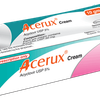
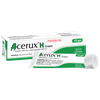
Alternative Brands & Related Medicines
Indications
This cream or ointment are suitable for treating a wide variety of local inflammatory, pruritic and allergic disorders of the skin. This is particularly suitable for topical application in:
Eczema and dermatitis: Atopic eczema, seborrhoeic eczema, discoid eczema, otitis externa, contact dermatitis, neurodermatitis. ... Read moreThis cream or ointment are suitable for treating a wide variety of local inflammatory, pruritic and allergic disorders of the skin. This is particularly suitable for topical application in:
Eczema and dermatitis: Atopic eczema, seborrhoeic eczema, discoid eczema, otitis externa, contact dermatitis, neurodermatitis.
Prurigo, Psoriasis, lichen planus. Discoid lupus erythematosus.
This is indicated for inflammatory dermatoses, where secondary bacterial infection is present or likely to occur.
Therapeutic Class
Fluocinolone & Combined Preparations, Topical Antifungal preparations
Pharmacology
Fluocinolone acetonide is a corticosteroid primarily used in dermatology to reduce skin inflammation and relieve itching. It is a synthetic hydrocortisone derivative. Fluocinolone acetonide was also found to strongly potentiate TGF-β-associated chondrogenesis of bone marrow mesenchymal stem/progenitor cells, by increasing the levels of collagen type II by more than 100 fold compared to the widely used dexamethasone.Neomycin Sulfate actively transported across the bacterial cell membrane, binds to a specific receptor protein on the 30 S subunit of bacterial ribosomes, and interferes with an initiation complex between mRNA (messenger RNA) and the 30 S subunit, inhibiting protein synthesis.
Dosage and Administration
This cream is generally applied to the affected area as a thin film from two to four times daily depending on the severity of the condition. Since this cream is a water-washable vanishing cream, it is easily applied and leaves no traces
Contraindications
Primary infections of the skin and in rosacea, acne, perioral dermatitis, anogenital pruritis and napkin eruption. Also known hypersensitivity to neomycin.
Side Effects
Side-effects are extremely rare, but as with all topical corticosteroids, patient may show hypersensitivity reaction.
Pregnancy And Lactation
Pregnancy Category C. Corticosteroids are generally teratogenic in laboratory animals when administered systemically at relatively low dosage levels. The more potent corticosteroids have been shown to be teratogenic after dermal application in laboratory animals. There are no adequate and well-controlled studies in pregnant women on teratogenic effects from topically applied corticosteroids. Therefore, topical corticosteroids should be used during pregnancy only if the potential benefit justifies the potential risk to the fetus. Drugs of this class should not be used extensively on pregnant patients, in large amounts, or for prolonged periods of time.Nursing Mothers: It is not known whether topical administration of corticosteroids could result in sufficient systemic absorption to produce detectable quantities in breast milk. Systemically administered corticosteroids are secreted into breast milk in quantities not likely to have a deleterious effect on the infant. Nevertheless, caution should be exercised when topical corticosteroids are administered to a nursing woman.
Precautions And Warnings
The appropriate anti-infective cover should be given in the presence of viral or fungal infection. Prolonged use should be avoided in conditions where absorption of neomycin is possible. Do not apply to the external auditory canal of patients with perforated eardrums. Long-term continuous topical steroid therapy can produce atrophic skin changes. Do not apply to the face for prolonged periods. Prolonged use or treatment of extensive areas can produce adrenal suppression, especially in infants and children.
Overdose Effects
Topically applied corticosteroids can be absorbed in sufficient amounts to produce systemic effects
Storage Conditions
Keep below 30°C temperature, away from light & moisture. Keep out of the reach of children.
Drug Classes
Fluocinolone & Combined Preparations, Topical Antifungal preparations
Mode of Action
Fluocinolone acetonide is a corticosteroid primarily used in dermatology to reduce skin inflammation and relieve itching. It is a synthetic hydrocortisone derivative. Fluocinolone acetonide was also found to strongly potentiate TGF-β-associated chondrogenesis of bone marrow mesenchymal stem/progenitor cells, by increasing the levels of collagen type II by more than 100 fold compared to the widely used dexamethasone.Neomycin Sulfate actively transported across the bacterial cell membrane, binds to a specific receptor protein on the 30 S subunit of bacterial ribosomes, and interferes with an initiation complex between mRNA (messenger RNA) and the 30 S subunit, inhibiting protein synthesis.
Pregnancy Category
Topical administration of corticosteroids to pregnant animals can cause abnormalities of fetal development, including cleft palate intrauterine growth retardation. There may be a small risk of such effects on the human fetus. When topical steroid treatment is necessary, minimize the amount and length of treatment.

Samm Care