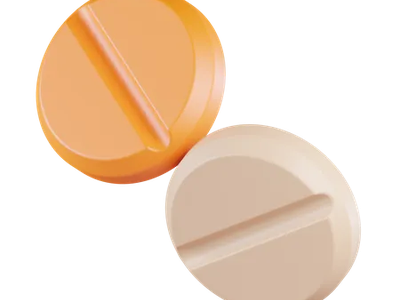
Caryon 10 mg
Generic: Dydrogesterone
Category: Tablet
Manufacturer: Incepta Pharmaceuticals Ltd.

Allopathic
MFG. Licence No. Biological
193
MFG. Licence No. Non-Biological
108
Address
Zirabo, Savar, Dhaka Dewan Idris Road, Bara Rangamatia
Price: 1200.0 ৳
30's pack
10's Strip

Medicine Selling service is not available yet.
Alternative Brands & Related Medicines
Indications
Uses of Caryon:
- Female infertility
- Pain during menstruation
- Premenstural syndrome (PMS)
- Abnormal uterine bleeding
- Endometriosis
- Amenorrhea
Endometriosis, Miscarriage, Menstrual disorders, Infertility, Dysmenorrhea, Dysfunctional uterine bleeding, Premenstrual syndrome, Hormone replacement therapy
Hypersensitivity; pregnancy. Undiagnosed abnormal vag bleeding, thromboembolic disorders, history or existing cerebrovascular or coronary artery disease, missed or incomplete abortion, known or suspected carcinoma of the breast or genital organs, severe hepatic dysfunction, as a diagnostic test for pregnancy.
Therapeutic Class
Female Sex hormones
Pharmacology
Dydrogesterone is a progestogen structurally related to progesterone. However, unlike progesterone, it does not induce an increase in temp nor inhibit ovulation and may be preferred over other progestational agents when contraceptive effect is not required. It does not have oestrogenic or androgenic properties.
Dosage and Administration
How to use
Dydrogesterone:
Take this medicine in the dose and duration as advised by your doctor. Swallow it as a whole. Do not chew, crush or break it.
Dydrogesterone may be taken with or without food, but it is better to take it at a fixed time.
Administration:
May be taken with or without food.
Adult Dose:
Oral
Endometriosis
Adult: 10 mg bid-tid cyclically or continuously.
Recurrent miscarriage
Adult: 10 mg bid given cyclically until conception, then continuously until wk 20 of pregnancy, after which dose may be gradually reduced.
Menstrual disorders
Adult: 10 mg bid in a cyclical regimen.
Threatened miscarriage
Adult: Initially, 40 mg followed by 10 mg or more every 8 hr, continued for a wk after symptoms are relieved. Reduce dose gradually after that unless symptoms return.
Infertility
Adult: 10 mg bid.
Endometrial protection during menopausal hormonal replacement therapy
Adult: 10 mg 1-2 times daily in a cyclical regimen or 5 mg daily.
Interaction
Carbamazepine, griseofulvin, phenobarbital, rifampicin enhances the clearance of progestogens.
Contraindications
Hypersensitivity; pregnancy. Undiagnosed abnormal vag bleeding, thromboembolic disorders, history or existing cerebrovascular or coronary artery disease, missed or incomplete abortion, known or suspected carcinoma of the breast or genital organs, severe hepatic dysfunction, as a diagnostic test for pregnancy.
Side Effects
Common
- Headache
- Nausea
- Breast pain
Dizziness, nausea, headache, fatigue, emotional lability, irritability; abdominal pain and distention; muskuloskeletal pain.
Pregnancy And Lactation
From spontaneous surveillance systems to date, there is no evidence that dydrogesterone can not be used during pregnancy.Dydrogesterone is excreted in the milk of nursing mothers. A risk to the suckling child cannot be excluded. Dydrogesterone should not be used during breast-feeding.There is no evidence that dydrogesterone decreases fertility at therapeutic dose.
Precautions And Warnings
Precaution:
Monitor closely for loss of vision, proptosis, diplopia, migraine, signs and symptoms of embolic disorders. CVD or renal impairment, epilepsy, asthma, other conditions which may be aggravated by fluid retention. Lactation.
Overdose Effects
Dydrogesterone was well tolerated after oral dosing (maximum daily dose is 360 mg). No reports of ill effects from overdose have been recorded. If a large overdose is discovered within two or three hours and treatment seems desirable, gastric lavage is recommended. There are no specific antidotes and treatment should be symptomatic.
Storage Conditions
Store at below 30°C in a dry place protected from light. Keep out of reach of children.
Drug Classes
Female Sex hormones
Mode of Action
Dydrogesterone is a progestogen structurally related to progesterone. However, unlike progesterone, it does not induce an increase in temp nor inhibit ovulation and may be preferred over other progestational agents when contraceptive effect is not required. It does not have oestrogenic or androgenic properties.
Pregnancy Category
It is estimated that more than 10 million pregnancies have been exposed to Dydrogesterone. So far there were no indications of a harmful effect of Dydrogesterone use during pregnancy. No data exist on excretion of Dydrogesterone in mother's milk. Experience with other progestogens indicates that progestogens and the metabolites pass to mother's milk in small quantities. Whether there is a risk to the child is not known. Therefore Dydrogesterone should not be used during the lactation period.

Samm Care