Carbizol 10 mg
Carbimazole
Category: Tablet
Manufacturer: Square Pharmaceuticals Ltd.

Price: 300.0 ৳
60's Pack
10's Strip

Medicine Selling service is not available yet.
Related Medicines

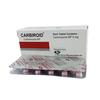
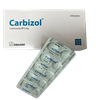
Uses of Carbizol:
- Hyperthyroidism
Grave's disease, Hyperthyroidism, Diabetic nephropathy, Preparation for thyroidectomy
Hyperthyroidism due to nodular goitre.
Anti-thyroid drugs
Carbimazole is metabolised to thiamazole which is responsible for its antithyroid action. It blocks the production of thyroid hormones through inhibition of the organification of iodide and the coupling of iodothyronine residues.
How to use
Carbimazole:
Take this medicine in the dose and duration as advised by your doctor. Swallow it as a whole. Do not chew, crush or break it.
Carbimazole may be taken with or without food, but it is better to take it at a fixed time.
Administration:
May be taken with or without food. Take consistently w/ or w/o meals.
Adult Dose:
Oral
Hyperthyroidism, Adjunct to radio-iodine therapy, Grave's disease, Preparation for thyroidectomy
Adult: Initially, 20-60 mg daily as a single or divided dose, reduced gradually once euthyroidism is achieved. Maintenance: 5-15 mg daily for at least 1 yr or 18 mth.
Hepatic impairment: Severe: Contraindicated.
Child Dose:
Oral
Hyperthyroidism; Adjunct to radio-iodine therapy; Preparation for thyroidectomy
Child: 3-17 yr Initially, 15 mg daily, adjusted according to response.
Increased serum levels of theophylline or may develop toxicity. May enhance the effect of anticoagulants.
Potentially Fatal: Increased sensitivity to warfarin in hyperthyroidism and careful control required as patient is rendered euthyroid.
Hyperthyroidism due to nodular goitre.
Common
- Skin rash
- Headache
- Skin pigmentation
- Pain
- Joint stiffness
- Nausea
- Paresthesia (tingling or pricking sensation)
- Hair loss
Mild leucopaenia, sore throat, mouth ulcers, fever, bruising, malaise; rarely cholestatic jaundice; nephrotic syndrome. Nausea, loss of taste, headache, arthralgia, alopoecia.
Potentially Fatal: Agranulocytosis, aplastic anaemia, hypoprothrombinaemia, neutropaenia; hypothyroidism and goitre.
Pregnancy Category D. There is positive evidence of human foetal risk, but the benefits from use in pregnant women may be acceptable despite the risk
Precaution:
Liver diseases, pregnancy, lactation.
Overdose or accidental poisoning may result in hypothyroidism and goitre. If blood dyscrasias occur, the drug should be immediately withdrawn. Further treatment is symptomatic and supportive.
Store below 25° C.
Anti-thyroid drugs
Carbimazole is metabolised to methimazole which is responsible for its antithyroid action. It blocks the production of thyroid hormones by inhibiting thyroid peroxidase.
Carbimazole may be given during pregnancy to a thyrotoxic patient, but the smallest effective dose should be used an overdosage adversely affects the foetus. Carbimazole crosses the placenta and is excreted into breast milk. Carbimazole may, therefore, cause foetal or neonatal hypothyroidism and goitre.

Samm Care