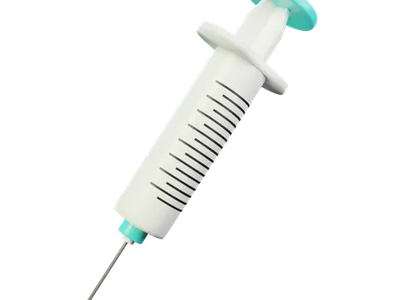
Bortez 1 1 mg/vial
Bortezomib
Category: Injection
Manufacturer: Beacon Pharmaceuticals Ltd.

Price: 6750.0 ৳
Injection

Medicine Selling service is not available yet.
Related Medicines

Uses of Bortez 1:
- Multiple myeloma
- Mantle-cell lymphoma
Mantle Cell Lymphoma, Multiple Myeloma,
Hypersensitivity. Child. Pregnancy and lactation.
Targeted Cancer Therapy
Bortezomib is a reversible inhibitor of the chymotrypsin-like activity of the 26S proteasome in mammalian cells. The 26S proteasome is a large protein complex that degrades ubiquitinated proteins. The ubiquitin-proteasome pathway plays an essential role in regulating the intracellular concentration of specific proteins, thereby maintaining homeostasis within cells. Inhibition of the 26S proteasome prevents this targeted proteolysis, which can affect multiple signaling cascades within the cell. This disruption of normal homeostatic mechanisms can lead to cell death. Experiments have demonstrated that bortezomib is cytotoxic to a variety of cancer cell types in vitro. Bortezomib causes a delay in tumor growth in vivo in nonclinical tumor models, including multiple myeloma.
How to use
Bortezomib:
Your doctor or nurse will give you this medicine. Kindly do not self administer.
Administration:
IV or SC Preparation
Reconstitute vial with 0.9% NaCl
IV administration: Add 3.5 mL to vial for final concentration of 1 mg/mL
SC administration: 2.5 mg/mL: Add 1.4 mL to vial for final concentration of 2.5 mg/mL
If local injection site reactions occur following SC administration, a less concentrated solution (1 mg/mL) may be administered subcutaneously
IV or SC Administration
Not for intrathecal (IT) use; inadvertent IT has resulted in death and is contraindicated
Separate consecutive doses by at least 72 hr
Give IV as a bolus over 3-5 seconds or as SC injection
Give SC injection in thigh or abdomen; rotate injection site with each dose
Monitor hydration status
Use cytotoxic handling procedures for preparation, administration, and disposal
Adult Dose:
Mantle Cell Lymphoma
Indicated for treatment of patients with mantle cell lymphoma as first-line in previously untreated patients or those who have relapsed
Previously untreated MCL
1.3 mg/m²/dose IV twice weekly for 2 weeks (days 1, 4, 8, 11) followed by a 10-day rest period (days 12 to 21) for six 3-week cycles; may continue for 8 cycles if response is first seen at cycle 6
Give with rituximab 375 mg/m² IV, cyclophosphamide 750 mg/m² IV, and doxorubicin 50 mg/m² IV on day 1, plus prednisone 100 mg/m² IV on days 1-5
Relapsed MCL
1.3 mg/m²/dose IV/SC twice weekly for 2 weeks (days 1, 4, 8, 11) followed by a 10-day rest period (days 12 to 21)
Therapy extending beyond 8 cycles: Give standard schedule
Multiple Myeloma
Previously untreated multiple myeloma
Administer in combination with prednisone and melphalan as part of 6-wk treatment cycles for 9 cycles
Cycles 1-4 (twice weekly): 1.3 mg/m² IV/SC on Days 1, 4, 8, 11, 22, 25, 29, and 32
Cycles 5-9 (once weekly): 1.3 mg/m² IV/SC on Days 1, 8, 22, and 29
Relapsed multiple myeloma
1.3 mg/m²/dose IV/SC twice weekly for 2 weeks (Days 1, 4, 8, and 11) followed by a 10-day rest period (Days 12-21)
Therapy extending beyond 8 cycles: Standard schedule or maintenance schedule of once weekly for 4 weeks (Days 1, 8, 15, and 22) followed by a 13-day rest period (Days 23 to 35)
Re-treatment
Indicated for re-treatment of adults with multiple myeloma who had previously responded to bortezomib and relapsed at least 6 months following completion of prior bortezomib treatment
Treatment may be started at the last tolerated dose
Administer twice weekly for 2 weeks (days 1, 4, 8, 11) followed by a 10-day rest period (days 12 to 21)
Hepatic impairment
Moderate-to-severe (bilirubin >1.5x ULN): Reduce to 0.7 mg/m² in the first cycle; consider dose escalation to 1 mg/m² or further dose reduction to 0.5 mg/m² in subsequent cycles based on tolerability
Concurrent use of amiodarone, antivirals, isoniazid, nitrofurantoin, statins may increase the chance of peripheral neuropathy. Concurrent use of antihypertensives increases the chance of hypotension.
Hypersensitivity. Child. Pregnancy and lactation.
Common
- Low blood platelets
- Fatigue
- Peripheral neuropathy (tingling and numbness of feet and hand)
- Psychiatric disturbances
- Nausea
- Vomiting
- Loss of appetite
- Fever
- Anemia (low number of red blood cells)
- Diarrhea
- Decreased appetite
- Decreased white blood cell count (neutrophils)
- Constipation
>10%
Asthenia (61-65%)
Nausea (61-65%)
Diarrhea (51-55%)
Anorexia (41-45%)
Constipation (41-45%)
Thrombocytopenia (41-45%)
Peripheral neuropathy (IV: 16-41%; SC: 6-24%)
Pyrexia (36-40%)
Vomiting (36-40%)
Anemia (31-35%)
Arthralgia (26-30%)
Headache (26-30%)
Insomnia (26-30%)
Limb pain (26-30%)
Dizziness (21-25%)
Dyspnea (21-25%)
Edema (21-25%)
Neutropenia (21-25%)
Paresthesia (21-25%)
Rash (21-25%)
Cough (15-20%)
Dehydration (15-20%)
URI (15-20%)
Rigors, grade 4 toxicity (10-15%)
Pregnancy Category D. Women of childbearing potential should avoid becoming pregnant while being treated with Bortezomib. Bortezomib administered to rabbits during organogenesis at a dose approximately 0.5 times the clinical dose of 1.3 mg/m2 based on body surface area caused post implantation loss and a decreased number of live fetuses.
Precaution:
Hepatic or renal impairment; history of syncope, orthostatic hypotension; dehydration. Impairs ability to drive or operate machinery. Monitor for symptoms of peripheral neuropathy. Monitor closely the blood glucose levels in patients receiving oral antidiabetic agents.
Unopened vials may be stored at controlled room temperature 25º C
Targeted Cancer Therapy
Bortezomib is a reversible inhibitor of the chymotrypsin-like activity of the 26-S proteasome. It prevents targeted proteolysis that affects multiple signaling cascades responsible for normal homeostatic functions within the cell, leading to cell death.
Pregnancy
Based on mechanism of action and findings in animals, therapy can cause fetal harm when administered to a pregnant woman; there are no studies in pregnant women to inform drug-associated risks; therapy caused embryo-fetal lethality in rabbits at doses lower than the clinical dose; advise pregnant women of potential risk to fetus
Verify pregnancy status of females of reproductive potential prior to initiating treatment
Advise patients of reproductive potential to use effective contraception during treatment with therapy and for at least 2 months after treatment
Lactation
There are no data on presence of bortezomib or metabolites in human milk, the effects of the drug on the breast fed infant or on milk production
Many drugs are excreted in human milk and potential for serious adverse reactions in breastfed infants from therapy is unknown
Advise nursing women not to breastfeed during treatment and for 2 months after treatment

Samm Care