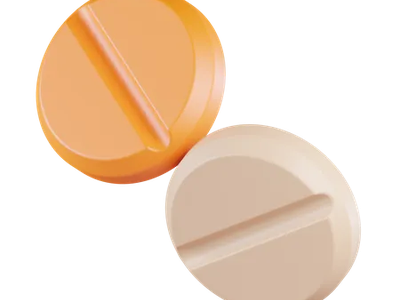
Barinib 2 mg
Baricitinib
Category: Tablet
Manufacturer: Drug International Ltd., Gopalpur

Drug International Ltd., Gopalpur
Allopathic
MFG. Licence No. Biological
315
MFG. Licence No. Non-Biological
523
Address
Tongi I/A
Price: 25.0 ৳
10 in Blister Pack

Medicine Selling service is not available yet.
Related Medicines

Uses of Barinib:
- Rheumatoid arthritis
Rheumatoid Arthritis
Immunosuppressant
Baricitinib is a Janus kinase (JAK) inhibitor. JAKs are intracellular enzymes which transmit signals arising from cytokine or growth factor-receptor interactions on the cellular membrane to influence cellular processes of hematopoiesis and immune cell function. Within the signaling pathway, JAKs phosphorylate and activate Signal Transducers and Activators of Transcription (STATs) which modulate intracellular activity including gene expression. Baricitinib modulates the signaling pathway at the point of JAKs, preventing the phosphorylation and activation of STATs.
How to use
Baricitinib:
Take this medicine in the dose and duration as advised by your doctor. Swallow it as a whole. Do not chew, crush or break it.
Baricitinib may be taken with or without food, but it is better to take it at a fixed time.
Adult Dose:
Rheumatoid Arthritis
Indicated for adults with moderately to severely active rheumatoid arthritis (RA) who have had an inadequate response to one or more tumor necrosis factor (TNF) antagonist therapies
May be used as monotherapy or in combination with methotrexate or other nonbiologic disease-modifying antirheumatic drugs (DMARDs)
2 mg PO qDay
Avoid use of live vaccines; update immunizations in agreement with current immunization guidelines before initiating
Coadministration with strong OAT3 inhibitors may increase baricitinib systemic exposure
Anemia: Avoid initiation or interrupt Baricitinib in patients with hemoglobin less than 8 g/dL.
Lymphopenia: Avoid initiation or interrupt Baricitinib in patients with an Absolute Lymphocyte Count less than 500 cells/mm3.
Neutropenia: Avoid initiation or interrupt Baricitinib in patients with an Absolute Neutrophil Count less than 1000 cells/mm3.
Common
- Nausea
- Upper respiratory tract infection
>10%
Upper respiratory tract infections (16.3%)
1-10%
Nausea (2.7%)
Increased LFTs (1-2%)
Platelet elevations (1-2%)
Herpes zoster infection (1%)
<1%
Acne (<1%)
Herpes simplex infection (0.8%)
Neutropenia (0.3%)
It is not known if Baricitinib will harm an unborn baby. Because of the potential for serious adverse reactions in nursing infants, advice an Baricitinib treated woman not to breastfeed.
Precaution:
Serious and sometimes fatal infections may develop owing to bacterial, mycobacterial, invasive fungal, viral, or other opportunistic pathogens reported; may cause reactivation of latent TB or viral infections (see Black Box Warnings and Dosing Considerations)
Consider risks and benefits before initiating in patients with chronic or recurrent infection, history of serious or opportunistic infection, underlying conditions predisposing them to infection, or patients who have been exposed to tuberculosis or have resided or traveled in areas of endemic tuberculosis or mycoses (see Black Box Warnings)
Consider TB therapy for patients with a negative test for latent TB but who have risk factors for TB infection; consultation with a physician with expertise in TB recommended to aid in decision about whether initiating anti-TB therapy is appropriate
If a new infection develops during treatment, promptly initiate diagnostic tests appropriate for an immunocompromised patient; if necessary, initiate appropriate antimicrobial therapy and closely monitor; interrupt baricitinib therapy if patient unresponsive to treatment
If herpes zoster occurs, interrupt treatment until episode resolves
Malignancies were observed in clinical studies; non-melanoma skin cancers (NMSCs) reported; periodic skin examination is recommended for patients who are at increased risk for skin cancer
Perform screening for viral hepatitis in accordance with clinical guidelines before starting therapy; unknown impact on chronic viral hepatitis reactivation
Increased incidence of thrombosis, including DVT and PE, observed compared with placebo; caution in patients at increased risk of thrombosis (see Black Box Warnings)
Gastrointestinal perforation reported in clinical studies, although the role of JAK inhibition in these events is unknown
May increase incidence of neutropenia, lymphopenia, anemia, or elevated LFTs or lipids; monitor laboratory values at baseline and periodically during treatment
In case of an overdose, it is recommended that the patient should be monitored for signs and symptoms of adverse reactions. Patients who develop adverse reactions should receive appropriate treatment.
Store at or below 30°C temperature. Keep away from light and wet place. Keep out of reach of children.
Immunosuppressant
Janus kinases (JAKs) pathways inhibitor; JAK consists of a group of intracellular tyrosine kinases that transmit signals from cytokine or growth factor-receptor interactions on the cellular membrane to influence cellular processes of hematopoieses and immune cell function
Within the signaling pathway, JAKs phosphorylate and activate signal transducers and activators of transcription (STATs), which modulate intracellular activity including gene expression; baricitinib modulates the signaling pathway at the point of JAKs, preventing the phosphorylation and activation of STATs
Pregnancy
Data in pregnant women are insufficient to inform a drug-associated risk for major birth defects or miscarriage
Animal studies
In animal embryo-fetal development studies, oral baricitinib administration to pregnant rats and rabbits at exposures equal to and greater than ~20 and 84 times the maximum recommended human dose (MRHD), respectively, resulted in reduced fetal body weights, increased embryo lethality (rabbits only), and dose-related increases in skeletal malformations
Lactation
Unknown if distributed in human breast milk
Baricitinib is present in the milk of lactating rats
Owing to species-specific differences in lactation physiology, the clinical relevance of these data are not clear
Because of the potential for serious adverse reactions in nursing infants, advise women not to breastfeed while taking baricitinib

Samm Care