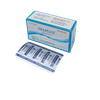
Actine 5 mg
Generic: Glipizide
Category: Tablet
Manufacturer: Aristopharma Ltd.


Medicine Selling service is not available yet.
Alternative Brands & Related Medicines

Indications
Uses of Actine:
- Type 2 diabetes mellitus
Type 2 DM
Hypersensitivity. Type 1 DM; ketoacidosis; severe renal or hepatic insufficiency. Pregnancy, lactation.
Therapeutic Class
Sulfonylureas
Pharmacology
Glipizide lowers blood glucose by stimulating the release of insulin from the pancreas, an effect dependent upon functioning beta cells. The extrapancreatic effects of Glipizide are increase in insulin sensitivity and decrease in hepatic glucose production.
Dosage and Administration
How to use
Glipizide:
Take this medicine in the dose and duration as advised by your doctor. Swallow it as a whole. Do not chew, crush or break it.
Glipizide is to be taken empty stomach.
Administration:
Immediate-release: Should be taken on an empty stomach. Take ½ hr before meals.
Extended-release: Should be taken with food. Swallow whole, do not chew/crush/divide.
Adult Dose:
Oral
Type 2 diabetes mellitus
Adult: Initially, 2.5-5 mg daily as a single dose. Adjust at intervals of several days in increments of 2.5-5 mg daily.
Doses >15 mg may be given in 2 divided doses. Max: 40 mg daily.
Extended-release tablets
Initial: 5 mg/day PO given with breakfast; dose adjustment based on blood glucose should not be done more frequently than every 7 days
Maintenance range: 5-10 mg PO qDay; not to exceed 20 mg/day
Elderly:
2.5 mg PO qDay initially; increase by 2.5-5 mg/day every 1-2 weeks as determined by blood glucose response at intervals of several days
May switch to extended release once daily tablets at the nearest equivalent total daily dose or lower end of recommended range; not to exceed 20 mg/day
Hepatic impairment: 2.5 mg PO qDay initially (immediate release); extended release not studied
Severe: Contraindicated.
Child Dose:
Safety and efficacy not established
Renal Dose:
Renal impairment: Not studied; if GFR <50 mL/min, may decrease dose by 50%
Severe: Contraindicated.
Interaction
Increased plasma concentration w/ certain antifungals (e.g. miconazole, fluconazole). Protein-bound drugs (e.g. NSAIDs, other sulfonamides, oral anticoagulants, hydantoins), probenecid, MAOIs, and chloramphenicol may potentiate hypoglycaemic action of glipizide. Diminished therapeutic effect w/ thiazides, other diuretics, phenothiazines, thyroid agents, oestrogens, OC, phenytoin, nicotinic acid, sympathomimetics, Ca channel blockers, rifampicin and isoniazid. Concomitant use w/ beta-blockers may impair glucose tolerance, increase frequency or severity of hypoglycaemia and block hypoglycaemia-induced tachycardia. Decreased serum concentration w/ colesevelam.
Contraindications
Hypersensitivity. Type 1 DM; ketoacidosis; severe renal or hepatic insufficiency. Pregnancy, lactation.
Side Effects
Common
- Dizziness
- Diarrhea
- Nervousness
- Tremor
- Hypoglycemia (low blood glucose level)
- Flatulence
GI upsets, diarrhoea, nausea; allergic skin reactions, leucopenia, thrombocytopenia, agranulocytosis, hyponatraemia; jaundice; haemolytic anaemia, pancytopenia.
Potentially Fatal: Hypoglycaemia in presence of renal or hepatic damage and alcohol.
Pregnancy And Lactation
Pregnancy: Glipizide should be used during pregnancy only if the potential benefit justifies the potential risk to the foetus. Prolonged severe hypoglycaemia (4-10 days) has been reported in neonates born to mothers who were receiving sulphonylurea (e.g., Glipizide) at the time of delivery. So, if Glipizide is used during pregnancy, it should be discontinued at least one month before the expected delivery date.Lactation: Although it is not known whether Glipizide is excreted in human milk, some sulphonylurea drugs are known to be so. Breast feeding is not therefore recommended while taking this medication.
Precautions And Warnings
Precaution:
Hypoglycaemia, stress, elderly. Thyroid impairment; moderate hepatic or renal impairment. Monitor blood glucose concentration.
Lactation: Not known if crosses into breast milk; not recommended
Overdose Effects
There is no well-documented experience with Glipizide tablets overdosage in humans.
Storage Conditions
The tablets should be protected from moisture and humidity and stored at room temperature (below 30° C).
Drug Classes
Sulfonylureas
Mode of Action
Glipizide stimulates insulin release from pancreatic ?-cells and reduces glucose output from the liver. It also increases insulin sensitivity at peripheral target sites.
Pregnancy Category
Pregnancy: Glipizide should be used during pregnancy only if the potential benefit justifies the potential risk to the foetus. Prolonged severe hypoglycaemia (4-10 days) has been reported in neonates born to mothers who were receiving sulphonylurea (e.g., Glipizide) at the time of delivery. So, if Glipizide is used during pregnancy, it should be discontinued at least one month before the expected delivery date.Lactation: Although it is not known whether Glipizide is excreted in human milk, some sulphonylurea drugs are known to be so. Breast feeding is not therefore recommended while taking this medication.

Samm Care