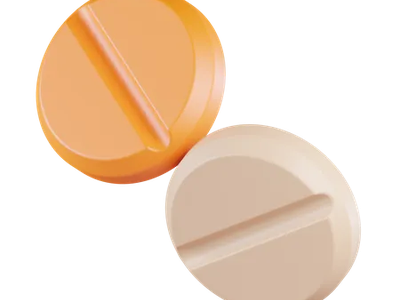
Acarbose 50 mg
Acarbose
Category: Tablet
Manufacturer: Kemiko Pharmaceuticals Ltd.

Allopathic
MFG. Licence No. Biological
152
MFG. Licence No. Non-Biological
403
Address
Ticapara, Rajshahi.
Price: 10.03 ৳
5 x 10 in Blister Pack

Medicine Selling service is not available yet.
Related Medicines
Uses of Acarbose:
- Type 2 diabetes mellitus
Dosage Adult: PO Initial: 25 mg/day q8hr. May adjust gradually. Maintenance: 50-100 mg 3 times/day.
Max: <60 kg: 50 mg 3 times/day.
>60 kg: 100 mg 3 times/day.
Hepatic Impairment Severe: Contraindicated.
Alpha-Glucosidase inhibitor
In contrast to sulfonylureas, Acarbose does not enhance insulin secretion. The antihyperglycemic action of acarbose results from a competitive, reversible inhibition of pancreatic alpha-amylase and membrane-bound intestinal alpha-glucoside hydrolase enzymes. Pancreatic alpha-amylase hydrolyzes complex starches to oligosaccharides in the lumen of the small intestine, while the membrane-bound intestinal alpha-glucosidases hydrolyze oligosaccharides, trisaccharides, and disaccharides to glucose and other monosaccharides in the brush border of the small intestine. In diabetic patients, this enzyme inhibition results in a delayed glucose absorption and a lowering of postprandial hyperglycemia. Because its mechanism of action is different, the effect of Acarbose to enhance glycemic control is additive to that of sulfonylureas, insulin or metformin when used in combination. In addition, Acarbose diminishes the insulinotropic and weight-increasing effects of sulfonylureas. Acarbose has no inhibitory activity against lactase and consequently would not be expected to induce lactose intolerance.
How to use
Acarbose:
Take this medicine in the dose and duration as advised by your doctor. Swallow it as a whole. Do not chew, crush or break it.
Acarbose is to be taken with food.
Administration:
May enhance effects of other antidiabetics including insulin. Diminished effects w/ GI adsorbents (e.g. charcoal) and digestive enzyme preparations containing carbohydrate splitting enzymes (e.g. amylase, pancreatin). Neomycin and colestyramine may enhance effects of acarbose. May inhibit absorption of digoxin.
Adult Dose:
Monitor LFT every 3 mth for 1st yr and periodically thereafter especially for doses >50 mg tid. Reduce dose or withdraw therapy if transaminases elevations persist. If hypoglycaemia occurs, give glucose orally as a 1st aid measure. Adhere strictly to the prescribed diabetic diet to avoid intensification of GI symptoms.
Lactation: not known if crosses into breast milk, avoid using in nursing women.
Renal Dose:
Acarbose competitively and reversibly inhibits pancreatic alpha-amylase and intestinal brush border alpha-glucosidases, resulting in retardation of glucose absorption from hydrolysed complex carbohydrates and reduction of blood-glucose concentrations.
Patients <18 yr; diabetic ketoacidosis or cirrhosis; malabsorption; inflammatory bowel disease; with or pre-disposed to intestinal obstruction; intestinal diseases that affect digestion or absorption; conditions that worsen as a result of increased gas formation e.g. hernias; colonic ulcers; hepatic impairment; CrClr< 25 ml/min/1.73m2. Pregnancy, lactation.
Acarbose is contraindicated in patients with known hypersensitivity to the drug. Precose is contraindicated in patients with diabetic ketoacidosis or cirrhosis. Acarbose is also contraindicated in patients with inflammatory bowel disease, colonic ulceration, partial intestinal obstruction or in patients predisposed to intestinal obstruction. In addition, Acarbose is contraindicated in patients who have chronic intestinal diseases associated with marked disorders of digestion or absorption and in patients who have conditions that may deteriorate as a result of increased gas formation in the intestine.
Common
- Flatulence
- Abdominal pain
- Diarrhea
Renal Impairment
CrCl Dosage
<25 Contraindicated.
Pregnancy Category B. The safety of Acarbose in pregnant women has not been established. A small amount of radioactivity has been found in the milk of lactating rats after administration of radiolabeled acarbose. It is not known whether this drug is excreted in human milk. Because many drugs are excreted in human milk, Acarbose should not be administered to a nursing woman.
Precaution:
Type 2 DM
Unlike sulfonylureas or insulin, an overdose of Acarbose will not result in hypoglycemia. An overdose may result in transient increases in flatulence, diarrhea, and abdominal discomfort which shortly subside. In cases of overdosage the patient should not be given drinks or meals containing carbohydrates (polysaccharides, oligosaccharides and disaccharides) for the next 4–6 hours.
Store below 25° C. Protect from moisture.
Alpha-Glucosidase inhibitor
Should be taken with food. Take w/ 1st bite of each main meal.
>10%
abdominal pain (19%),diarrhea (31%),elevated serum transaminases, flatulence (74%)
Potentially Fatal: Hepatotoxicity.

Samm Care