Understanding Heart Attacks: Symptoms, Causes, and Prevention
A heart attack, also known as a myocardial infarction, is a serious medical emergency that occurs when the blood flow to a part of the heart is blocked for an extended period. This blockage deprives the heart muscle of oxygen, leading to tissue damage or death. Understanding the symptoms, causes, and preventive measures is crucial for reducing the risk of heart attacks and improving outcomes for those affected.
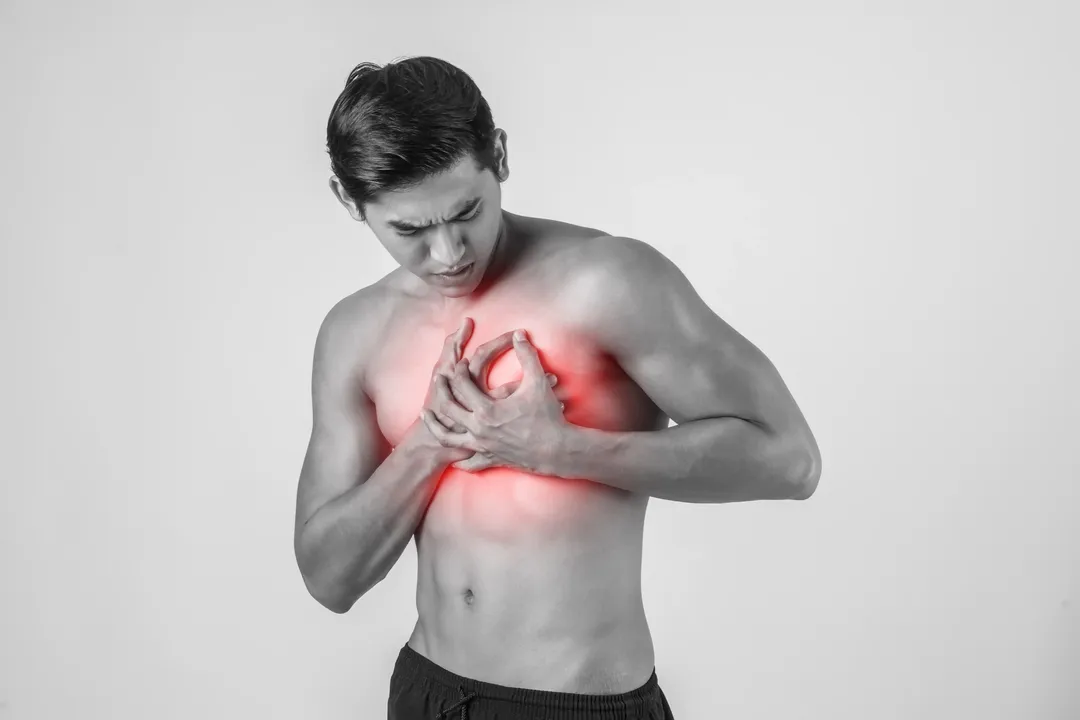
Symptoms of a Heart Attack
Recognizing the signs of a heart attack can save lives. While symptoms can vary between individuals, common indicators include:
1. Chest Pain or Discomfort: The most common symptom is a feeling of pressure, tightness, or pain in the chest. This discomfort may last for more than a few minutes or come and go.
2. Pain in Other Areas: Pain may also radiate to the shoulders, arms, back, neck, jaw, or stomach. The left side is often more affected, but it can occur on either side.
3. Shortness of Breath: Difficulty breathing, which may occur before or during chest pain, is another critical symptom.
4. Nausea, Indigestion, or Heartburn: Some people experience digestive discomfort, often mistaken for a less severe issue.
5. Sweating: Breaking out in a cold sweat without a clear reason can be a sign of a heart attack.
6. Fatigue: Unusual tiredness, especially in women, may be an early warning sign of a heart attack.
7. Dizziness or Lightheadedness: Feeling faint or dizzy can occur during a heart attack.
1. Chest Pain or Discomfort: The most common symptom is a feeling of pressure, tightness, or pain in the chest. This discomfort may last for more than a few minutes or come and go.
2. Pain in Other Areas: Pain may also radiate to the shoulders, arms, back, neck, jaw, or stomach. The left side is often more affected, but it can occur on either side.
3. Shortness of Breath: Difficulty breathing, which may occur before or during chest pain, is another critical symptom.
4. Nausea, Indigestion, or Heartburn: Some people experience digestive discomfort, often mistaken for a less severe issue.
5. Sweating: Breaking out in a cold sweat without a clear reason can be a sign of a heart attack.
6. Fatigue: Unusual tiredness, especially in women, may be an early warning sign of a heart attack.
7. Dizziness or Lightheadedness: Feeling faint or dizzy can occur during a heart attack.
Causes of a Heart Attack
Heart attacks are primarily caused by coronary artery disease (CAD), a condition where the arteries that supply blood to the heart become narrowed or blocked due to plaque buildup. Several factors contribute to the development of CAD:
1. Atherosclerosis: The buildup of fatty deposits (plaque) in the coronary arteries is the most common cause. Plaques can rupture, leading to the formation of a blood clot that blocks blood flow.
2. High Blood Pressure: Hypertension can damage the arteries, making them more susceptible to blockages.
3. High Cholesterol: Elevated levels of bad cholesterol (LDL) contribute to plaque formation.
4. Smoking: Tobacco use damages blood vessels and accelerates plaque buildup.
5. Diabetes: High blood sugar levels can damage blood vessels and increase the risk of heart disease.
6. Obesity: Excess body weight strains the heart and contributes to conditions like hypertension and diabetes.
7. Sedentary Lifestyle: Lack of physical activity is a significant risk factor for heart disease.
1. Atherosclerosis: The buildup of fatty deposits (plaque) in the coronary arteries is the most common cause. Plaques can rupture, leading to the formation of a blood clot that blocks blood flow.
2. High Blood Pressure: Hypertension can damage the arteries, making them more susceptible to blockages.
3. High Cholesterol: Elevated levels of bad cholesterol (LDL) contribute to plaque formation.
4. Smoking: Tobacco use damages blood vessels and accelerates plaque buildup.
5. Diabetes: High blood sugar levels can damage blood vessels and increase the risk of heart disease.
6. Obesity: Excess body weight strains the heart and contributes to conditions like hypertension and diabetes.
7. Sedentary Lifestyle: Lack of physical activity is a significant risk factor for heart disease.
Preventing a Heart Attack
While some risk factors for heart attacks, such as age and family history, cannot be controlled, many lifestyle changes can significantly reduce the risk:
1. Adopt a Heart-Healthy Diet: Focus on consuming fruits, vegetables, whole grains, lean proteins, and healthy fats. Limit the intake of saturated fats, trans fats, salt, and sugar.
2. Exercise Regularly: Aim for at least 150 minutes of moderate-intensity exercise or 75 minutes of vigorous exercise each week. Physical activity helps maintain a healthy weight, lower blood pressure, and improve cholesterol levels.
3. Quit Smoking: If you smoke, quitting is the most effective step you can take to protect your heart. Seek support if needed, as quitting can be challenging.
4. Manage Stress: Chronic stress can harm your heart. Practice stress-reducing techniques such as meditation, deep breathing, or yoga.
5. Monitor Your Health: Keep an eye on your blood pressure, cholesterol levels, and blood sugar. Regular check-ups with your healthcare provider can help you manage risk factors effectively.
6. Limit Alcohol Consumption: Excessive alcohol intake can raise blood pressure and contribute to heart disease. Stick to recommended guidelines for alcohol consumption.
7. Take Medications as Prescribed: If you have been diagnosed with heart disease, high blood pressure, or diabetes, take your medications as directed by your doctor to manage your condition and reduce the risk of a heart attack.
1. Adopt a Heart-Healthy Diet: Focus on consuming fruits, vegetables, whole grains, lean proteins, and healthy fats. Limit the intake of saturated fats, trans fats, salt, and sugar.
2. Exercise Regularly: Aim for at least 150 minutes of moderate-intensity exercise or 75 minutes of vigorous exercise each week. Physical activity helps maintain a healthy weight, lower blood pressure, and improve cholesterol levels.
3. Quit Smoking: If you smoke, quitting is the most effective step you can take to protect your heart. Seek support if needed, as quitting can be challenging.
4. Manage Stress: Chronic stress can harm your heart. Practice stress-reducing techniques such as meditation, deep breathing, or yoga.
5. Monitor Your Health: Keep an eye on your blood pressure, cholesterol levels, and blood sugar. Regular check-ups with your healthcare provider can help you manage risk factors effectively.
6. Limit Alcohol Consumption: Excessive alcohol intake can raise blood pressure and contribute to heart disease. Stick to recommended guidelines for alcohol consumption.
7. Take Medications as Prescribed: If you have been diagnosed with heart disease, high blood pressure, or diabetes, take your medications as directed by your doctor to manage your condition and reduce the risk of a heart attack.
Conclusion
A heart attack is a life-threatening event, but with the right knowledge and preventive measures, you can significantly reduce your risk. By recognizing the symptoms, understanding the causes, and making heart-healthy lifestyle choices, you can protect your heart and improve your overall health. If you suspect you or someone else is having a heart attack, seek emergency medical help immediately—every second counts.