Understanding Blood Pressure: What You Need to Know
Blood pressure is a vital sign that reflects the force of blood against the walls of your arteries as your heart pumps it around your body. Monitoring blood pressure is crucial for maintaining overall health, as abnormal levels can lead to severe health issues. This blog will explore what blood pressure is, its significance, and how to manage it effectively.
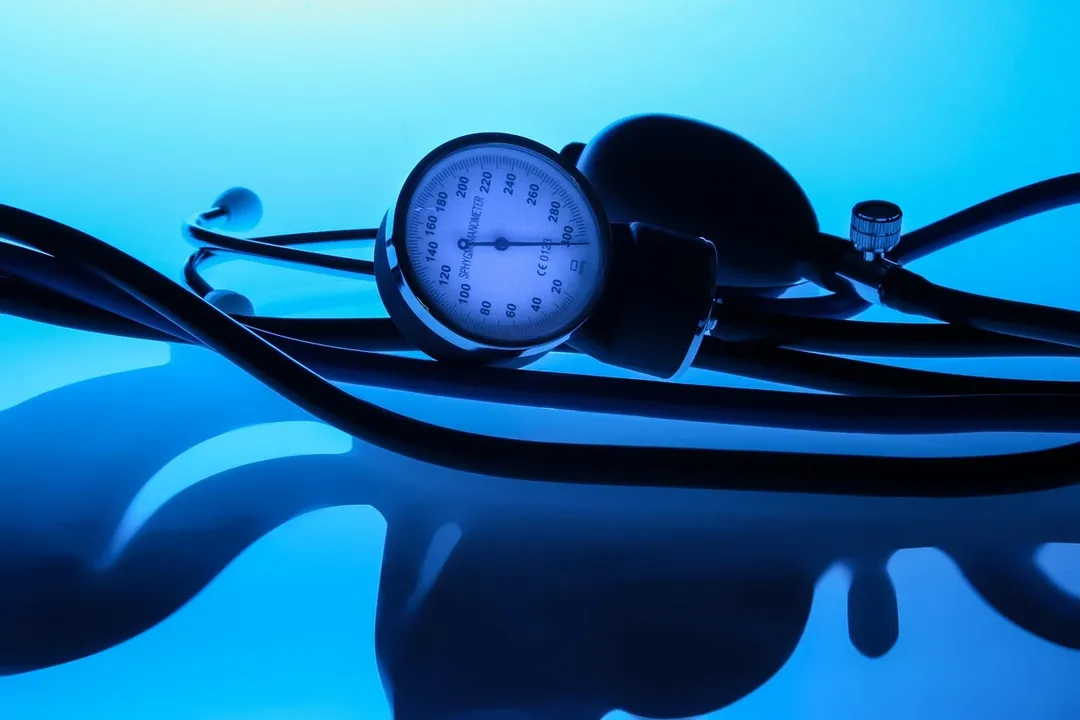
What is Blood Pressure?
Blood pressure is measured in millimeters of mercury (mmHg) and recorded as two numbers:
1. Systolic pressure: The top number indicates the pressure in your arteries when your heart beats.
2. Diastolic pressure: The bottom number shows the pressure in your arteries when your heart is resting between beats.
For example, a blood pressure reading of 120/80 mmHg means a systolic pressure of 120 mmHg and a diastolic pressure of 80 mmHg.
1. Systolic pressure: The top number indicates the pressure in your arteries when your heart beats.
2. Diastolic pressure: The bottom number shows the pressure in your arteries when your heart is resting between beats.
For example, a blood pressure reading of 120/80 mmHg means a systolic pressure of 120 mmHg and a diastolic pressure of 80 mmHg.
Why is Blood Pressure Important?
Maintaining normal blood pressure is essential for the proper functioning of your organs and overall well-being. High blood pressure (hypertension) or low blood pressure (hypotension) can lead to various health problems, including:
1. Heart Disease: High blood pressure is a major risk factor for heart disease, which can lead to heart attacks, heart failure, and other complications.
2. Stroke: Elevated blood pressure increases the risk of stroke, a condition where the blood supply to part of the brain is interrupted or reduced.
3. Kidney Disease: The kidneys can be damaged by high blood pressure, leading to kidney disease or failure.
4. Vision Loss: Hypertension can cause damage to the blood vessels in the eyes, leading to vision problems or blindness.
1. Heart Disease: High blood pressure is a major risk factor for heart disease, which can lead to heart attacks, heart failure, and other complications.
2. Stroke: Elevated blood pressure increases the risk of stroke, a condition where the blood supply to part of the brain is interrupted or reduced.
3. Kidney Disease: The kidneys can be damaged by high blood pressure, leading to kidney disease or failure.
4. Vision Loss: Hypertension can cause damage to the blood vessels in the eyes, leading to vision problems or blindness.
Causes and Risk Factors
Several factors can influence blood pressure, including:
1. Genetics: Family history can play a significant role in your blood pressure levels.
2. Age: Blood pressure tends to increase with age.
3. Lifestyle Choices: Poor diet, lack of physical activity, excessive alcohol consumption, and smoking can all contribute to high blood pressure.
4. Stress: Chronic stress may lead to temporary spikes in blood pressure.
1. Genetics: Family history can play a significant role in your blood pressure levels.
2. Age: Blood pressure tends to increase with age.
3. Lifestyle Choices: Poor diet, lack of physical activity, excessive alcohol consumption, and smoking can all contribute to high blood pressure.
4. Stress: Chronic stress may lead to temporary spikes in blood pressure.
Managing Blood Pressure
Maintaining healthy blood pressure involves a combination of lifestyle changes and, in some cases, medication. Here are some effective strategies:
1. Eat a Balanced Diet: A diet rich in fruits, vegetables, whole grains, and lean proteins can help lower blood pressure. The DASH diet (Dietary Approaches to Stop Hypertension) is particularly effective.
2. Exercise Regularly: Aim for at least 150 minutes of moderate-intensity exercise each week, such as walking, swimming, or cycling.
3. Limit Sodium Intake: Reducing salt in your diet can help lower blood pressure. Avoid processed foods and read food labels to monitor sodium levels.
4. Manage Stress: Techniques such as meditation, deep breathing exercises, and yoga can help reduce stress and lower blood pressure.
5. Monitor Your Blood Pressure: Regular monitoring can help you and your healthcare provider track your blood pressure and adjust your treatment plan if needed.
1. Eat a Balanced Diet: A diet rich in fruits, vegetables, whole grains, and lean proteins can help lower blood pressure. The DASH diet (Dietary Approaches to Stop Hypertension) is particularly effective.
2. Exercise Regularly: Aim for at least 150 minutes of moderate-intensity exercise each week, such as walking, swimming, or cycling.
3. Limit Sodium Intake: Reducing salt in your diet can help lower blood pressure. Avoid processed foods and read food labels to monitor sodium levels.
4. Manage Stress: Techniques such as meditation, deep breathing exercises, and yoga can help reduce stress and lower blood pressure.
5. Monitor Your Blood Pressure: Regular monitoring can help you and your healthcare provider track your blood pressure and adjust your treatment plan if needed.
When to Seek Medical Help
If you experience symptoms such as severe headaches, shortness of breath, or chest pain, seek medical attention immediately. These could be signs of a hypertensive crisis or other serious conditions.
Conclusion
Blood pressure is a key indicator of your overall health, and managing it should be a priority. By understanding the factors that influence blood pressure and adopting a healthy lifestyle, you can reduce your risk of hypertension and its associated complications. Regular check-ups and monitoring are crucial in keeping your blood pressure within a healthy range, ensuring a long and healthy life.