Understanding Asthma: Symptoms, Triggers, and Management
Asthma is a chronic respiratory condition that affects millions of people worldwide. Characterized by inflammation and narrowing of the airways, asthma leads to difficulty breathing, wheezing, and other respiratory symptoms. While asthma cannot be cured, it can be effectively managed with proper care and lifestyle adjustments.
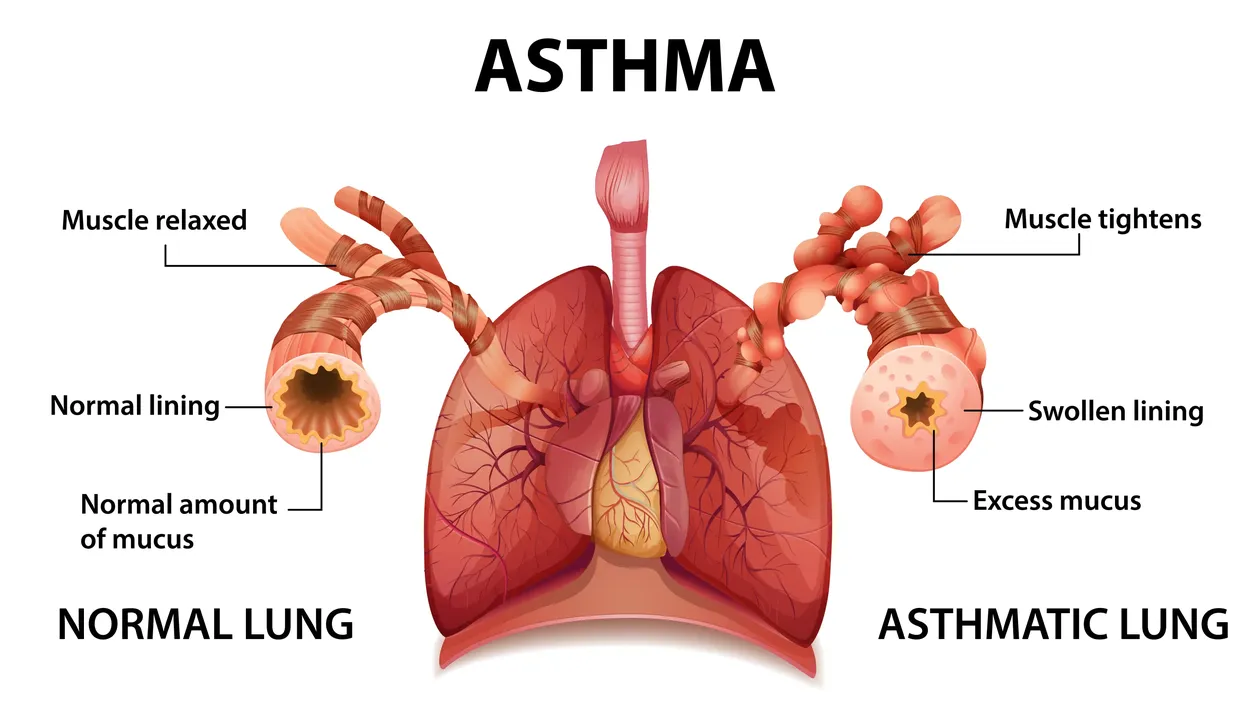
What is Asthma?
Asthma is a condition where the airways in the lungs become inflamed and narrowed, making it difficult for air to move in and out. This leads to symptoms such as shortness of breath, chest tightness, coughing, and wheezing. The severity of asthma varies from person to person, ranging from mild, occasional symptoms to severe, persistent symptoms that can interfere with daily life.
Symptoms of Asthma
Asthma symptoms can vary widely and may not always be present. However, common symptoms include:
1. Shortness of Breath: Difficulty breathing, especially during physical activity or at night.
2. Wheezing: A whistling or squeaky sound when breathing, often heard during exhalation.
3. Chest Tightness: A feeling of pressure or tightness in the chest, sometimes described as a heavy weight.
4. Coughing: Persistent coughing, especially at night or early in the morning. The cough may be dry or accompanied by mucus.
5. Fatigue: Feeling unusually tired or weak, particularly after physical activity.
1. Shortness of Breath: Difficulty breathing, especially during physical activity or at night.
2. Wheezing: A whistling or squeaky sound when breathing, often heard during exhalation.
3. Chest Tightness: A feeling of pressure or tightness in the chest, sometimes described as a heavy weight.
4. Coughing: Persistent coughing, especially at night or early in the morning. The cough may be dry or accompanied by mucus.
5. Fatigue: Feeling unusually tired or weak, particularly after physical activity.
Common Triggers of Asthma
Asthma symptoms can be triggered by various factors, which can vary from person to person. Identifying and avoiding these triggers is a key part of managing asthma. Common triggers include:
1. Allergens: Dust mites, pollen, pet dander, mold, and certain foods can trigger allergic reactions that lead to asthma symptoms.
2. Irritants: Smoke, strong odors, pollution, and chemical fumes can irritate the airways and trigger asthma.
3. Exercise: Physical activity, especially in cold or dry air, can cause exercise-induced bronchoconstriction, a narrowing of the airways during exercise.
4. Respiratory Infections: Colds, flu, and other respiratory infections can exacerbate asthma symptoms.
5. Weather Conditions: Cold air, humidity, and sudden changes in weather can trigger asthma.
6. Emotional Stress: Strong emotions, such as stress, anxiety, or excitement, can lead to rapid breathing and trigger asthma symptoms.
1. Allergens: Dust mites, pollen, pet dander, mold, and certain foods can trigger allergic reactions that lead to asthma symptoms.
2. Irritants: Smoke, strong odors, pollution, and chemical fumes can irritate the airways and trigger asthma.
3. Exercise: Physical activity, especially in cold or dry air, can cause exercise-induced bronchoconstriction, a narrowing of the airways during exercise.
4. Respiratory Infections: Colds, flu, and other respiratory infections can exacerbate asthma symptoms.
5. Weather Conditions: Cold air, humidity, and sudden changes in weather can trigger asthma.
6. Emotional Stress: Strong emotions, such as stress, anxiety, or excitement, can lead to rapid breathing and trigger asthma symptoms.
Managing Asthma
While asthma cannot be cured, it can be effectively managed with the right strategies. Here are some key approaches to managing asthma:
1. Medication:
- Long-term Control Medications: These medications, such as inhaled corticosteroids, help reduce inflammation and prevent asthma symptoms. They are taken daily, even when symptoms are not present.
- Quick-Relief Medications: Also known as rescue inhalers, these medications, such as short-acting beta-agonists, provide rapid relief from acute symptoms during an asthma attack.
2. Avoiding Triggers: Identifying and avoiding personal asthma triggers is crucial. This may involve using air purifiers, avoiding allergens, and taking precautions during exercise or cold weather.
3. Asthma Action Plan: Work with your healthcare provider to create a personalized asthma action plan. This plan outlines what to do when symptoms worsen, how to adjust medications, and when to seek emergency care.
4. Regular Monitoring: Keep track of your symptoms and peak flow readings (a measure of lung function). Regular monitoring can help you identify patterns and take action before symptoms become severe.
5. Education: Educate yourself about asthma and its management. Understanding your condition and how to control it can reduce anxiety and improve your quality of life.
6. Healthy Lifestyle: Maintain a healthy lifestyle with a balanced diet, regular exercise, and adequate sleep. Managing stress and avoiding smoking are also important for asthma control.
1. Medication:
- Long-term Control Medications: These medications, such as inhaled corticosteroids, help reduce inflammation and prevent asthma symptoms. They are taken daily, even when symptoms are not present.
- Quick-Relief Medications: Also known as rescue inhalers, these medications, such as short-acting beta-agonists, provide rapid relief from acute symptoms during an asthma attack.
2. Avoiding Triggers: Identifying and avoiding personal asthma triggers is crucial. This may involve using air purifiers, avoiding allergens, and taking precautions during exercise or cold weather.
3. Asthma Action Plan: Work with your healthcare provider to create a personalized asthma action plan. This plan outlines what to do when symptoms worsen, how to adjust medications, and when to seek emergency care.
4. Regular Monitoring: Keep track of your symptoms and peak flow readings (a measure of lung function). Regular monitoring can help you identify patterns and take action before symptoms become severe.
5. Education: Educate yourself about asthma and its management. Understanding your condition and how to control it can reduce anxiety and improve your quality of life.
6. Healthy Lifestyle: Maintain a healthy lifestyle with a balanced diet, regular exercise, and adequate sleep. Managing stress and avoiding smoking are also important for asthma control.
When to Seek Medical Help
While asthma can usually be managed at home, there are times when medical help is necessary. Seek immediate medical attention if:
1. You experience severe shortness of breath or difficulty speaking.
2. Your quick-relief inhaler does not provide relief or lasts for a short time.
3. Your symptoms worsen rapidly.
4. Your peak flow reading drops significantly below your normal range.
1. You experience severe shortness of breath or difficulty speaking.
2. Your quick-relief inhaler does not provide relief or lasts for a short time.
3. Your symptoms worsen rapidly.
4. Your peak flow reading drops significantly below your normal range.
Conclusion
Asthma is a manageable condition, but it requires careful attention and a proactive approach. By understanding your symptoms, avoiding triggers, and following your asthma action plan, you can live a full and active life despite having asthma. Regular communication with your healthcare provider is essential to ensure that your asthma is well-controlled and that you can make necessary adjustments to your management plan.