How Much Sleep Is Too Much Sleep? What to Know About Oversleeping

You may oversleep if you don’t get enough quality sleep at night. But if you’re regularly sleeping too long, it may indicate an underlying health condition.
Oversleeping, also known as “long sleeping,” is when you regularly sleep for more than 10 hours per day.
People are often concerned about not getting enough sleep. However, oversleeping may also pose several health risks and indicate the presence of an underlying health condition.
Keep reading to learn more about the potential causes, symptoms, and treatments for oversleeping.
People are often concerned about not getting enough sleep. However, oversleeping may also pose several health risks and indicate the presence of an underlying health condition.
Keep reading to learn more about the potential causes, symptoms, and treatments for oversleeping.
How much sleep do you need?
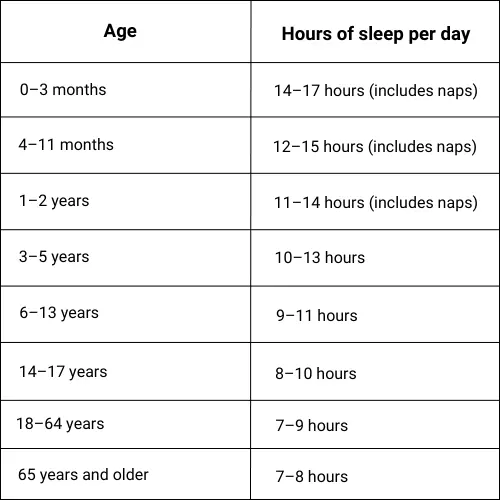
The amount of sleep you need each night may depend on several factors, such as your age and lifestyle.
Here are the current guidelines from the National Sleep Foundation:
Here are the current guidelines from the National Sleep Foundation:
What causes oversleeping?
Oversleeping may simply be the result of catching up on the lost hours of sleep during a short time period, known as sleep debt.
For example, you may sleep for more than 10 hours in a 24-hour period on the weekend because you stayed up late all week studying for a final exam.
That said, frequent oversleeping may indicate hypersomnia. This condition is characterized by feeling excessively sleepy during the day, as well as:
1. sleeping for periods of up to 18 hours each day
2. sleeping multiple times per day
3. not feeling awake after waking up
For example, you may sleep for more than 10 hours in a 24-hour period on the weekend because you stayed up late all week studying for a final exam.
That said, frequent oversleeping may indicate hypersomnia. This condition is characterized by feeling excessively sleepy during the day, as well as:
1. sleeping for periods of up to 18 hours each day
2. sleeping multiple times per day
3. not feeling awake after waking up
Sleeping disorders
Other sleeping conditions may also cause you to sleep for longer periods, including:
1. idiopathic hypersomnia
2. narcolepsy
3. obstructive sleep apnea
4. circadian rhythm sleep-wake disorder
5. parasomnia
6. restless leg syndrome
7. depression
1. idiopathic hypersomnia
2. narcolepsy
3. obstructive sleep apnea
4. circadian rhythm sleep-wake disorder
5. parasomnia
6. restless leg syndrome
7. depression
Medications and substances
Excessive sleepiness and oversleeping may be a side effect of taking certain medications and substances, including:
1. sedatives
2. cannabis
3. opioids
4. psychotropic drugs
5. hypertension drugs
6. antiepileptic drugs (AEDs)
7. alcohol
8. antidepressant drugs
2. cannabis
3. opioids
4. psychotropic drugs
5. hypertension drugs
6. antiepileptic drugs (AEDs)
7. alcohol
8. antidepressant drugs
It’s important to speak with a healthcare professional if you think certain medications or substances are causing you to oversleep. They could help you modify your treatment plan or get you support.
What are the symptoms of oversleeping?
Symptoms of oversleeping may depend on the underlying cause and whether oversleeping is chronic or short-term. These may include:
1. agitation
2. irritation
3. fatigue
4. anxiety
5. increased daytime naps
6. decreased appetite
2. irritation
3. fatigue
4. anxiety
5. increased daytime naps
6. decreased appetite
You may also experience brain fogginess, sleep drunkenness, and memory problems.